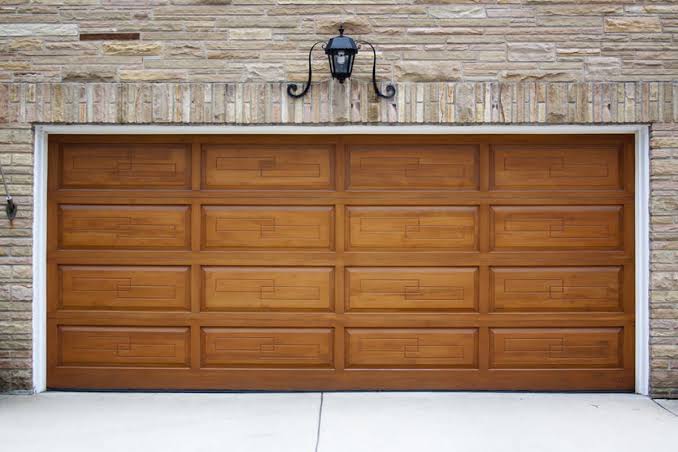
Have you noticed a dent, crack, or unsightly damage on just one section of your garage door? It’s frustrating to look at, but replacing the entire door feels like overkill and a massive expense. You are likely wondering how much is a panel for a garage door and if fixing just that one section is a viable financial option. The good news is that panel replacement is often far more affordable than a full door swap, saving you hundreds, if not thousands, of dollars.
Understanding the Average Cost of Garage Door Panels
When budgeting for repairs, knowing the baseline numbers is essential. In 2026, the cost to replace a single garage door panel typically ranges between $150 and $400 for the part alone. However, this price can fluctuate significantly based on several variables.
If you hire a professional for installation, expect the total bill—including labor—to fall between $300 and $800. While this might seem steep for a single section, it remains a fraction of the cost of installing a brand-new garage door, which can easily exceed $1,500 to $3,000 depending on materials and features.
Factors That Influence Panel Pricing
Not all panels are created equal. Several key factors determine where your specific repair will fall on the price spectrum:
- Material Type: Steel panels are generally the most affordable, while wood, aluminum, and composite materials command higher prices due to aesthetics and durability.
- Door Style: Standard raised-panel designs are cheaper to manufacture and replace. Custom designs, carriage-house styles, or doors with windows require more complex manufacturing processes.
- Insulation Level: Single-layer non-insulated panels are the cheapest. If your door has polyurethane or polystyrene insulation (R-values of 8–17), the replacement panel must match this specification, increasing the cost.
- Age and Availability: Older doors may require custom-ordering from specific manufacturers, leading to higher prices and longer wait times.
Material Breakdown: What Are You Paying For?
The material of your garage door is the primary driver of cost. Here is a comparative look at what you can expect to pay for different panel types.
| Material | Avg. Panel Cost (Part Only) | Durability | Maintenance Needs |
|---|---|---|---|
| Steel | $150 – $250 | High | Low (Paint occasionally) |
| Aluminum | $200 – $350 | Medium (Dents easily) | Low (Corrosion resistant) |
| Wood | $300 – $500+ | Variable | High (Stain/Seal regularly) |
| Composite | $250 – $400 | High | Low-Medium |
Steel panels remain the most popular choice in the US market due to their balance of affordability and strength. They are resistant to warping and cracking, making them ideal for varied climates. On the other hand, wood panels offer unmatched curb appeal but require significant upkeep to prevent rot and weather damage. If you have a high-end wooden door, replacing a single panel can be tricky because matching the exact stain and grain pattern is difficult.
For more detailed information on the structural composition of modern garage doors, you can refer to this Wikipedia overview of garage doors.
Labor Costs: DIY vs. Professional Installation
One of the biggest questions homeowners face is whether to tackle the repair themselves or call in a pro. While the part might cost $200, labor can double that expense. But is it worth saving the money?
The Case for Professional Installation
Hiring a licensed technician usually costs between $150 and $400 in labor fees. Professionals bring expertise in handling heavy, tensioned systems. Garage doors are under extreme spring tension, and improper handling can lead to severe injury or further damage to the track system.
Professionals also ensure that the new panel aligns perfectly with the existing sections. Misalignment can cause the door to bind, wear out rollers prematurely, or fail to seal properly, leading to energy loss. Most reputable companies also offer a warranty on both the part and the labor, giving you peace of mind.
The DIY Route: Risks and Rewards
If you are handy and have experience with home repairs, you might consider doing it yourself. The primary benefit is obvious: you save on labor costs. However, there are hidden challenges:
- Sourcing the Exact Match: Manufacturers change designs frequently. Finding an exact match for a door that is five or ten years old can be like finding a needle in a haystack.
- Specialized Tools: You may need specific clamps, locking pliers, and safety gear to hold the door sections in place while disconnecting hinges and rollers.
- Safety Hazards: As mentioned, garage door springs are dangerous. Even when replacing a panel, you must relieve tension safely.
If you choose DIY, ensure you have a helper. Garage door panels are large, awkward, and heavy. Attempting this solo increases the risk of dropping the panel, which could damage the remaining sections or injure you.
Step-by-Step Guide to Replacing a Garage Door Panel
If you decide to proceed with the replacement, either by hiring a pro or doing it yourself, understanding the process helps manage expectations. Here is a general overview of how the job is done.
Note: This is a complex task. If you are unsure, always consult a professional.
- Disconnect the Opener: Pull the emergency release cord to disconnect the door from the automatic opener. Manually lower the door completely.
- Secure the Door: Use C-clamps or locking pliers on the tracks below the bottom roller of the section above the damaged panel. This prevents the door from sliding up unexpectedly.
- Remove Hardware: Unscrew the hinges and rollers connecting the damaged panel to the panels above and below it. Keep track of all screws and brackets.
- Extract the Damaged Panel: Carefully slide the damaged panel out of the track system. You may need to bend the track slightly outward to clear the rollers, but do this gently to avoid permanent deformation.
- Insert the New Panel: Slide the new panel into position. Ensure it sits flush with the adjacent panels.
- Reattach Hardware: Install the hinges and rollers. Tighten all bolts securely but avoid over-tightening, which can strip the threads.
- Test Alignment: Remove the clamps and manually lift the door halfway. Check for smooth movement. If it binds, check the roller alignment.
- Reconnect Opener: Once satisfied with manual operation, reconnect the automatic opener and test the cycle.
Common Issues That May Require Full Door Replacement
While replacing a panel is cost-effective, it isn’t always the best solution. There are scenarios where investing in a new door makes more financial sense.
- Multiple Damaged Panels: If two or more panels are dented or cracked, the cost of replacing them individually approaches the cost of a new door.
- Obsolete Models: If your door is over 15–20 years old, finding matching panels may be impossible. Mixing mismatched panels looks unprofessional and can affect resale value.
- Structural Integrity Issues: If the damage has compromised the structural integrity of the surrounding frames or tracks, a patch job won’t suffice.
- Energy Efficiency Upgrades: Older doors often lack proper insulation. Replacing the entire door with a modern, insulated model can reduce heating and cooling bills, offering long-term savings that offset the initial investment.
Frequently Asked Questions
Can I replace just one panel on any garage door?
Technically, yes, but practically, it depends on availability. Sectional garage doors are designed with individual panels, making replacement possible. However, if the manufacturer has discontinued the model or style, you may not find an exact match. In such cases, painting the new panel to match the old ones is a common workaround, though it may not be perfect.
How long does it take to replace a garage door panel?
A professional technician can typically complete the job in 2 to 4 hours. This includes removing the old panel, installing the new one, adjusting the hardware, and testing the system. For DIYers, expect it to take twice as long, especially if you encounter rusted bolts or alignment issues.
Does insurance cover garage door panel replacement?
It depends on the cause of the damage. If the panel was damaged due to a covered peril like a storm, hail, or a vehicle accident, your homeowner’s insurance may cover the repair minus your deductible. However, wear and tear, accidental dents from daily use, or lack of maintenance are typically not covered. Always check your policy details.
Will replacing a panel affect my garage door’s warranty?
If your door is still under the manufacturer’s warranty, performing a DIY repair or using a non-certified technician might void it. Always check the warranty terms before proceeding. Using authorized parts and certified installers ensures your warranty remains intact.
Is it better to repair or replace the whole door?
Use the 50% Rule: If the cost of the repair (including labor) is more than 50% of the cost of a new door, it is usually better to replace the entire unit. Additionally, if your door is nearing the end of its lifespan (15+ years), replacement offers better reliability and energy efficiency.
Conclusion
So, how much is a panel for a garage door? Typically, you are looking at $150 to $400 for the part and $300 to $800 total with professional installation. While it is a significant repair, it is vastly more economical than replacing the entire door system.
By understanding the materials, labor costs, and potential pitfalls, you can make an informed decision that protects your budget and your home’s curb appeal. Whether you choose to DIY or hire a pro, addressing the damage promptly prevents further issues and keeps your garage functioning smoothly.
If you found this guide helpful, please share it with your neighbors or on social media! Helping others save money on home repairs is always a win-win.
Leave a Reply