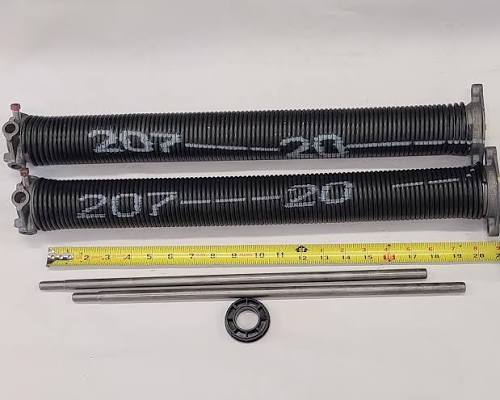
Is your garage door refusing to open, or does it feel heavier than usual? A broken spring is likely the culprit, and knowing how much is a new spring for garage door can help you budget effectively without getting overcharged. In this guide, we break down the current 2026 costs, helping you make an informed decision quickly and safely.
Garage door springs are under immense tension and are critical for the smooth operation of your door. When they fail, it’s not just an inconvenience; it’s a potential safety hazard. Understanding the costs involved ensures you don’t fall victim to predatory pricing while getting your home back to normal.
Understanding the Average Cost in 2026
The cost to replace a garage door spring varies significantly based on the type of spring, your location, and whether you hire a professional or attempt a DIY fix. On average, homeowners in the US can expect to pay between $150 and $350 for parts and labor combined.
However, this is a broad range. Let’s dive deeper into what influences these numbers.
Breakdown by Spring Type
There are two main types of garage door springs: torsion springs and extension springs. Torsion springs are mounted above the door opening, while extension springs are located on either side of the upper horizontal tracks.
| Spring Type | Average Part Cost | Average Labor Cost | Total Estimated Cost |
|---|---|---|---|
| Torsion Spring | $50 – $150 | $100 – $200 | $150 – $350 |
| Extension Spring | $30 – $80 | $80 – $150 | $110 – $230 |
Torsion springs are generally more expensive but last longer and provide smoother operation. Extension springs are cheaper upfront but may require more frequent replacements.
Why Do Prices Vary So Much?
Several factors contribute to the final bill:
- Geographic Location: Labor rates in urban areas like New York or San Francisco are higher than in rural Midwest towns.
- Door Weight: Heavier doors (double-car or insulated) require stronger, more expensive springs.
- Urgency: Emergency after-hours repairs often incur a premium fee, sometimes adding $50–$100 to the total.
- Brand and Quality: High-cycle springs (rated for 20,000+ cycles) cost more than standard 10,000-cycle springs but offer better long-term value.
Torsion vs. Extension Springs: Which One Do You Have?
Identifying your spring type is the first step in getting an accurate quote. If you’re unsure, look at the mechanism above your door.
Torsion Springs:
- Located horizontally above the closed garage door.
- Wound tightly around a metal shaft.
- Generally safer and more durable.
- Expert Insight: According to industry standards, torsion springs are preferred for modern homes due to their balance and longevity.
Extension Springs:
- Located vertically on both sides of the door, parallel to the tracks.
- Stretch and contract as the door moves.
- Often found in older homes or lighter single-car doors.
- Safety Note: Extension springs should always have a safety cable running through them to prevent injury if they snap.
For more detailed technical specifications on garage door mechanisms, you can refer to Wikipedia’s entry on Garage Doors, which provides a comprehensive overview of historical and modern designs.
DIY Replacement vs. Hiring a Professional
One of the most common questions homeowners ask is whether they can save money by replacing the spring themselves. While the temptation to save $100–$200 is real, the risks are substantial.
The Dangers of DIY Spring Replacement
Garage door springs are under extreme tension—enough to lift hundreds of pounds. If a spring slips or breaks during installation, it can cause severe injury or even death.
- Risk Level: High. Professional technicians use specific winding bars and safety gear.
- Tools Required: Specialized winding bars, vice grips, and ladder stabilizers.
- Time Investment: 2–4 hours for a novice vs. 30–60 minutes for a pro.
When to Call a Pro
You should definitely hire a professional if:
- You have never worked with high-tension springs before.
- Your door uses a torsion spring system.
- You lack the proper tools (standard wrenches won’t work).
- You want a warranty on both parts and labor.
Cost Comparison:
- DIY: $50–$150 (parts only) + your time + risk.
- Professional: $150–$350 (parts, labor, warranty, and peace of mind).
Most experts agree that the small savings from DIY are not worth the potential medical bills or property damage.
Signs Your Garage Door Spring Needs Replacement
Before you call for a quote, confirm that the spring is indeed the problem. Here are common indicators:
- Loud Bang: A sudden loud noise from the garage often signals a spring breaking.
- Door Won’t Open: The opener motor runs, but the door doesn’t move.
- Gap in Spring: For torsion springs, look for a visible gap in the coils.
- Uneven Movement: The door jerks or moves unevenly when opening.
- Cables Are Loose: If the lifting cables appear slack, the spring may have lost tension.
If you notice any of these signs, stop using the door immediately to prevent further damage to the opener or tracks.
How to Extend the Life of Your Garage Door Springs
While springs eventually wear out, proper maintenance can maximize their lifespan. Most springs are rated for 10,000 to 20,000 cycles (one cycle = one open and close).
- Lubricate Regularly: Use a silicone-based lubricant or white lithium grease on the springs every 6 months. Avoid WD-40, as it attracts dust and dries out.
- Balance Check: Disconnect the opener and manually lift the door halfway. It should stay in place. If it falls or rises, the springs are unbalanced.
- Visual Inspections: Look for rust, gaps, or wear marks monthly.
- Avoid Slamming: Gentle operation reduces stress on the springs and other components.
FAQ Section
1. How long do garage door springs last?
On average, garage door springs last between 7 to 12 years, depending on usage. A standard spring is rated for 10,000 cycles. If you open and close your door twice a day, that’s roughly 14 years, but environmental factors like humidity and temperature fluctuations can shorten this lifespan.
2. Can I replace just one spring if I have two?
It is highly recommended to replace both springs, even if only one is broken. Since both springs have undergone the same amount of wear and tear, the second one is likely near failure. Replacing both ensures balanced operation and saves you from another service call soon.
3. Is it safe to drive my car into the garage if the spring is broken?
No. Do not attempt to force the door open or drive into the garage. A broken spring puts immense strain on the garage door opener, which can burn out the motor. Additionally, the door could fall unexpectedly, causing injury or damaging your vehicle.
4. Does homeowners insurance cover broken garage door springs?
Typically, no. Homeowners insurance covers sudden and accidental damage from covered perils (like fire or storm damage). Wear and tear, including broken springs due to age or regular use, is considered maintenance and is not covered. However, if a storm caused the breakage, it might be covered—check with your provider.
5. What is the difference between standard and high-cycle springs?
Standard springs are rated for approximately 10,000 cycles, while high-cycle springs are rated for 20,000 to 50,000 cycles. High-cycle springs are made from higher-quality steel and are ideal for households with frequent garage door usage. They cost more upfront but last significantly longer.
Conclusion
Knowing how much is a new spring for garage door empowers you to budget wisely and avoid scams. With average costs ranging from $150 to $350 for professional installation, investing in a qualified technician is the safest and most reliable option. Remember, garage door springs are high-tension components that demand respect and expertise.
Don’t wait until your door is stuck shut. Regular maintenance and timely replacements keep your home secure and convenient. If you found this guide helpful, please share it with your neighbors on social media—they might need this info too! Stay safe and keep your garage running smoothly.
Leave a Reply