Have you ever stood in your driveway, staring at that dented, noisy, or simply outdated barrier, wondering if it’s time for a change? You are not alone. Many homeowners face this dilemma, balancing the need for security and curb appeal with budget constraints. If you are asking, “How much is a 2 car garage door installed?” you have come to the right place for clear, honest answers.
In this guide, we will break down the real costs associated with replacing a double garage door in 2026. We will explore material options, labor fees, and hidden expenses so you can make an informed decision without breaking the bank.
What Is the Average Cost to Install a 2-Car Garage Door?
When planning your budget, it is essential to look at the national averages while understanding that local factors play a significant role. As of 2026, the total cost to install a standard 2-car garage door typically ranges between $1,200 and $4,500.
This wide range exists because “standard” means different things to different people. Are you looking for a basic steel door, or do you want a custom wood design with smart-home integration?
Here is a general breakdown of what you might expect:
- Budget-Friendly Options: $1,200 – $1,800 (Basic steel, no windows, standard insulation).
- Mid-Range Options: $1,800 – $3,000 (Insulated steel, decorative windows, better hardware).
- High-End/Luxury Options: $3,000 – $4,500+ (Wood composite, custom colors, high R-value insulation, smart openers).
According to industry data, labor usually accounts for about 30% to 50% of the total project cost. This means if you buy a cheaper door but hire a premium installer, your savings might be minimal. Conversely, buying an expensive door and attempting a DIY installation can lead to costly repairs if done incorrectly.
How Do Different Materials Affect the Price?
The material you choose is the single biggest factor influencing the price tag. Each material offers distinct benefits regarding durability, maintenance, and aesthetics.
1. Steel Doors
Steel is the most popular choice for American homes due to its affordability and durability.
- Cost: $800 – $2,500 (installed).
- Pros: Low maintenance, resistant to cracking, available in many styles.
- Cons: Can dent easily; prone to rust if the coating is scratched.
2. Aluminum Doors
Aluminum is lightweight and resistant to corrosion, making it ideal for coastal areas.
- Cost: $1,200 – $3,000 (installed).
- Pros: Rust-proof, modern look, often features full-view glass panels.
- Cons: Dents very easily, less insulating than steel.
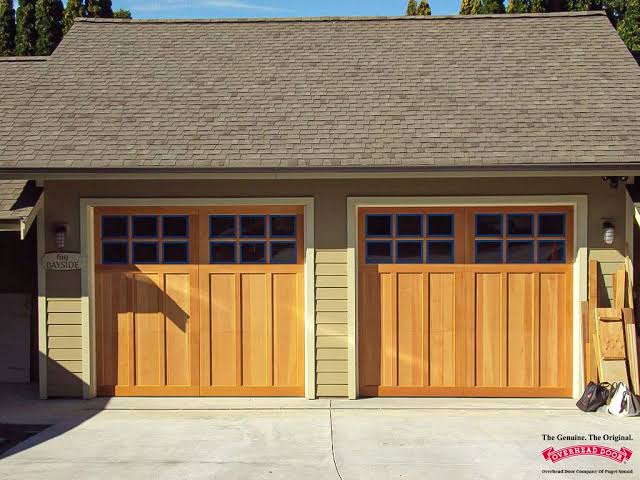
3. Wood Doors
For classic curb appeal, nothing beats real wood. However, it comes with a premium price and higher maintenance.
- Cost: $2,500 – $4,500+ (installed).
- Pros: Beautiful natural aesthetic, customizable.
- Cons: Requires regular staining/painting, can warp or rot in humid climates.
4. Composite/Wood-Look Doors
These doors mimic the look of wood but are made from durable materials like fiberglass or vinyl.
- Cost: $1,800 – $3,500 (installed).
- Pros: Wood appearance without the maintenance, good insulation.
- Cons: Higher upfront cost than basic steel.
| Material | Avg. Installed Cost | Durability | Maintenance Level |
|---|---|---|---|
| Steel | $800 – $2,500 | High | Low |
| Aluminum | $1,200 – $3,000 | Medium | Low |
| Wood | $2,500 – $4,500+ | Medium | High |
| Composite | $1,800 – $3,500 | High | Low |
Does Insulation Impact the Installation Cost?
Yes, insulation significantly impacts both the upfront cost and long-term energy bills. Garage doors are rated by their R-value, which measures thermal resistance. The higher the R-value, the better the insulation.
- Non-Insulated (R-0 to R-2): These are single-layer doors. They are the cheapest option but offer no temperature control. Best for detached garages or mild climates.
- Partially Insulated (R-6 to R-9): These doors have a polystyrene foam layer. They provide some noise reduction and moderate temperature control.
- Fully Insulated (R-12 to R-18): These feature polyurethane foam injected between two steel skins. They are heavier, more expensive, but provide superior energy efficiency and durability.
If your garage is attached to your home, investing in a door with an R-value of 12 or higher is recommended. It helps keep your home warmer in winter and cooler in summer, potentially lowering your HVAC costs. For more detailed information on thermal performance standards, you can refer to resources on building insulation materials.
What Are the Hidden Costs of Garage Door Installation?
When asking “how much is a 2 car garage door installed,” many homeowners forget to account for additional expenses. Here are common hidden costs to watch out for:
- Old Door Removal and Disposal: Some contractors include this in their quote, while others charge a fee ranging from $50 to $150. Always ask if disposal is included.
- New Hardware and Tracks: If your existing tracks are bent or worn, they must be replaced. This can add $100 to $300 to the bill.
- Garage Door Opener: Most installation quotes cover the door itself, not the motor. A new smart opener with Wi-Fi connectivity costs between $200 and $500 plus installation.
- Permits: Depending on your city or county, you may need a building permit for structural changes. Fees vary but typically range from $50 to $200.
- Structural Repairs: If the frame around your garage opening is rotted or damaged, it must be repaired before the new door can be installed. This is highly variable but can cost $500+.
DIY vs. Professional Installation: Which Is Better?
You might be tempted to save money by installing the door yourself. After all, how hard can it be? However, garage doors are heavy and under extreme tension from the springs.
The Risks of DIY
- Safety Hazard: Torsion springs store immense energy. If they snap during installation, they can cause severe injury or death.
- Voided Warranty: Most manufacturers void the warranty if the door is not installed by a certified professional.
- Improper Alignment: A misaligned door wears out faster and can damage your opener.
Benefits of Professional Installation
- Expertise: Pros know how to balance the door correctly, ensuring smooth operation.
- Speed: A professional team can complete the job in 3 to 5 hours, whereas a DIYer might take several days.
- Liability: If something goes wrong, the company is responsible, not you.
Verdict: Unless you have advanced mechanical skills and the proper tools, hire a professional. The peace of mind and safety are worth the extra cost.
How to Choose the Right Installer?
Not all contractors are created equal. To ensure you get quality work at a fair price, follow these steps:
- Get Multiple Quotes: Aim for at least three detailed estimates. Compare not just the price, but what is included (hardware, disposal, warranty).
- Check Reviews: Look for recent reviews on Google, Yelp, or the Better Business Bureau (BBB). Pay attention to comments about punctuality and cleanliness.
- Verify Licensing and Insurance: Ensure the contractor is licensed in your state and carries liability insurance. This protects you if an accident occurs on your property.
- Ask About Warranties: A reputable installer should offer a warranty on both the product (from the manufacturer) and the labor (from the installer). Look for at least a 1-year labor warranty.
FAQ Section
Q1: How long does it take to install a 2-car garage door?
A typical professional installation takes between 3 to 5 hours. This includes removing the old door, installing the new tracks, panels, and springs, and testing the balance. Complex custom doors or structural repairs may take longer.
Q2: Can I install a new door on my existing tracks?
It is generally not recommended. Tracks wear out over time and may not align perfectly with the new door’s specifications. Using old tracks can lead to premature wear, noise, and operational issues. Most professionals will replace the tracks as part of the installation package.
Q3: What is the most durable garage door material?
Steel and composite doors are considered the most durable for everyday use. Steel resists warping and cracking, while composite materials resist rot and insects. Wood is beautiful but requires significant maintenance to remain durable.
Q4: Do I need a permit to replace my garage door?
In many jurisdictions, a simple like-for-like replacement does not require a permit. However, if you are changing the size of the opening or modifying the structure, a permit is likely required. Always check with your local building department to be sure.
Q5: How often should I replace my garage door?
The average lifespan of a garage door is 15 to 30 years, depending on the material and maintenance. Steel doors tend to last longer than wood. If your door requires frequent repairs, makes excessive noise, or lacks insulation, it may be time for a replacement.
Q6: Does a new garage door increase home value?
Yes! According to various real estate studies, replacing a garage door is one of the top home improvement projects for return on investment (ROI). It can recoup up to 90% of its cost in added home value by improving curb appeal.
Conclusion
So, how much is a 2 car garage door installed? While the average cost falls between $1,200 and $4,500, the final price depends on your choice of material, insulation, and hardware. Investing in a high-quality, insulated door not only enhances your home’s security and appearance but also improves energy efficiency.
Remember, the cheapest option isn’t always the best. Consider the long-term benefits of durability and warranty protection. By getting multiple quotes and choosing a reputable installer, you can ensure a smooth process and a door that serves your family well for decades.
Did you find this guide helpful? Share it with your friends on social media who might be planning their own garage upgrades!
Leave a Reply