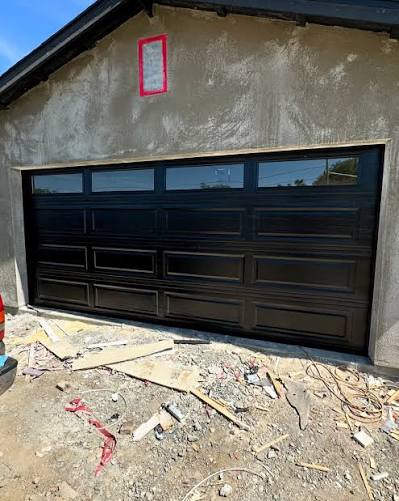
Upgrading your home’s exterior is an exciting project, but figuring out the exact budget can feel incredibly overwhelming for any homeowner. If you are currently asking yourself, “How much is a 16 X 7 garage door?”, you are in the exact right place to get clear, honest, and up-to-date answers. Let’s break down the real-world costs so you can plan your renovation confidently without any hidden financial surprises!
How Much Is A 16 X 7 Garage Door? The 2026 Cost Breakdown
When you start shopping for a new double-car garage door, the prices can look wildly different from one supplier to the next. So, what is the actual bottom line?
On average, a standard 16×7 garage door costs between $800 and $2,500 for the materials alone. However, once you factor in professional labor, hardware, and disposal of your old door, the total installed price typically ranges from $1,500 to $3,800.
Why such a wide gap? The final price tag heavily depends on the material you choose, the level of insulation, and whether you want custom windows or smart-home integration. Let’s explore exactly where your money goes.
What Factors Influence the Price of a 16×7 Garage Door?
A 16-foot wide by 7-foot high door is the industry standard for a two-car garage. Because it is such a popular size, you have plenty of options. Here is a look at how different materials impact your final bill.
Material Comparison Table
| Material Type | Average Material Cost | Durability | Maintenance Level |
|---|---|---|---|
| Steel (Non-Insulated) | $800 – $1,200 | High | Low |
| Steel (Insulated) | $1,200 – $2,500 | Very High | Low |
| Aluminum & Glass | $2,000 – $4,000 | Medium | Medium |
| Wood (Custom) | $2,500 – $5,000+ | Medium | High |
| Fiberglass | $1,500 – $2,800 | High | Low |
Pros and Cons of the Most Popular Choice: Steel
Most US homeowners opt for steel because it offers the best balance of price and longevity.
- Pros: Highly durable, resistant to warping, mimics the look of real wood with textured overlays, and requires almost zero upkeep.
- Cons: Can dent from accidental impacts (like a bicycle or a rogue baseball), and lower-grade steel can rust if the paint is deeply scratched in coastal climates.
The Hidden Cost: Insulation and Energy Efficiency
If your garage is attached to your house, or if you use it as a workshop, insulation is not optional—it is a necessity. Insulation is measured by its R-value. The higher the R-value, the better the thermal resistance.
- Single Layer (No Insulation): R-value of 0. Best for detached, unheated sheds.
- Double Layer (Polystyrene): R-value between 4 and 9. Adds structural rigidity and basic temperature control.
- Triple Layer (Polyurethane): R-value between 12 and 18+. The foam is injected between steel skins, expanding to fill every gap. This provides maximum energy savings and makes the door incredibly quiet when opening.
Expert Insight: According to energy efficiency contractors, upgrading to a polyurethane-insulated 16×7 door can reduce heat loss through the garage by up to 70%, noticeably lowering your winter heating bills if there is a living space above the garage.
How to Measure and Prepare for Your New Door (Step-by-Step)
Before you sign a contract or buy a door off the shelf, you must verify your space. While 16×7 is standard, older homes often have shifted foundations. Follow these concrete steps to prepare for your installation day.
Step 1: Gather Your Tools You will need a 25-foot steel tape measure (cloth tapes stretch and give false readings), a spirit level, a notepad, and a flashlight.
Step 2: Verify the Width and Height Measure the width of the finished opening at the top, middle, and bottom. It should be exactly 192 inches (16 feet). Next, measure the height from the floor to the bottom of the header. It must be exactly 84 inches (7 feet).
Step 3: Check the Headroom Measure the space from the top of the door opening to the ceiling (or the lowest obstruction like a pipe). You need a minimum of 12 inches of clearance for standard torsion springs, or 15 inches if you plan to install a standard motorized track opener.
Step 4: Verify the Side Room Measure the distance from the edge of the door opening to the nearest interior wall on both the left and right sides. You need a minimum of 3.75 inches on each side to mount the vertical tracks securely.
Step 5: Prep the Electrical and Driveway Ensure you have a standard 110V electrical outlet within 3 feet of the center of the ceiling where the motor will hang. Outside, clear your driveway at least 18 feet back so the installation crew has room to set up their ladders and unload the heavy door panels safely.
Should You DIY or Hire a Professional?
It might be tempting to save $500 to $800 on labor by installing the door yourself. However, modern garage doors rely on high-tension torsion springs to counterbalance the massive weight of a 16×7 steel door (which can easily weigh over 250 pounds).
As noted in safety guidelines documented on the Garage door encyclopedia entry, improperly wound torsion springs store immense kinetic energy and can cause severe, life-threatening injuries if they snap during a DIY adjustment.
The Verdict: Leave the spring tensioning and track alignment to licensed professionals. The warranty on the door is often voided if a certified technician does not perform the installation. Paying for professional labor guarantees safety, speed (usually finished in 4 to 6 hours), and peace of mind.
FAQ Section
Is a 16×7 garage door considered a double door?
Yes. A 16-foot width is the standard architectural dimension for a double-car garage door in the United States. It comfortably fits two mid-sized sedans or SUVs side-by-side, leaving enough room to open the car doors without scratching them against the interior walls.
How long does it take to install a 16×7 garage door?
For a professional two-man crew, removing the old door, assembling the new 16×7 panels, installing the tracks, and winding the springs typically takes between 4 to 6 hours. If you are adding a brand-new motorized opener or replacing damaged wooden framing, expect the job to take a full 8-hour workday.
Does an insulated 16×7 garage door save on energy bills?
Absolutely. If your garage shares a wall with your home’s living space, or if your HVAC air ducts run through the garage ceiling, an insulated door acts as a massive thermal buffer. Polyurethane insulation keeps freezing winter air and sweltering summer heat out, reducing the workload on your home’s heating and cooling systems.
Can I paint my new 16-foot steel garage door?
Most factory-finished steel doors come with a baked-on powder coating that is designed to last decades without fading. While you can paint them using high-quality exterior acrylic latex paint, doing so may void the manufacturer’s warranty. It is highly recommended to choose your exact color from the manufacturer’s catalog at the time of purchase.
How much do smart garage door openers add to the cost?
Upgrading from a standard chain-drive opener to a smart Wi-Fi-enabled belt-drive opener usually adds $200 to $350 to your total project cost. These units allow you to open, close, and monitor your garage door from your smartphone, and they operate much quieter than traditional chain models.
Conclusion
Figuring out the true cost of your home improvement project doesn’t have to be a headache. When asking, “How much is a 16 X 7 garage door?”, remember that you are investing in your home’s curb appeal, security, and energy efficiency. By budgeting between $1,500 and $3,800, choosing the right insulation for your climate, and hiring a certified pro, you will secure a beautiful, long-lasting entryway for your vehicles.
Did this pricing guide help you plan your budget? Share this article with your friends and family on Facebook, Pinterest, or X (Twitter) who might be planning their own home renovations this year!
Leave a Reply