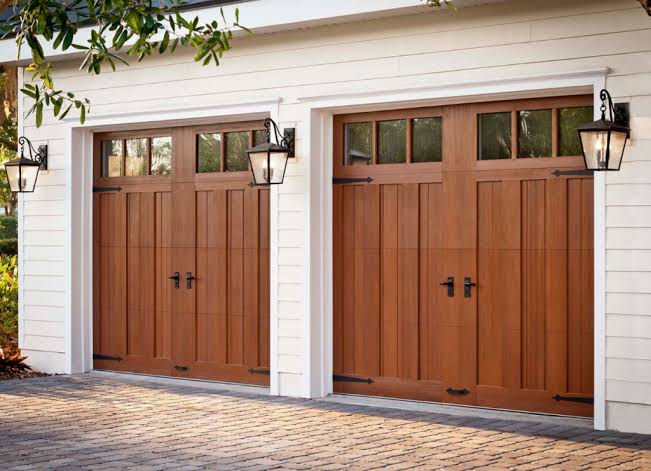
Is your current entryway looking rusty, dented, or simply outdated, leaving you stressed about the upgrade budget? It is completely normal to worry about curb appeal expenses, which is why so many homeowners ask exactly how much for a new garage door and installation before calling a contractor. This comprehensive 2026 guide breaks down every cost, material choice, and labor fee so you can plan your home improvement project with total confidence.
Understanding How Much For A New Garage Door And Installation Costs
When budgeting for this major home upgrade, the final price tag relies heavily on the size of your entryway and the specific materials you choose. According to recent 2026 home improvement data, the national average in the US sits between $800 and $4,500. Most homeowners spend around $1,200 to $2,500 for a standard, professionally installed setup.
Labor typically accounts for about $300 to $800 of your total bill. However, this can fluctuate based on your geographic location, with coastal cities often charging higher hourly rates than midwestern suburbs.
Below is a transparent breakdown of what you can expect to pay this year:
| Component | Average Cost Range (2026) |
|---|---|
| Single Door (Material Only) | $500 – $1,500 |
| Double Door (Material Only) | $800 – $3,500 |
| Professional Labor | $300 – $800 |
| Old Door Disposal | $50 – $150 |
| New Garage Door Opener | $250 – $600 |
Price Breakdown by Popular Materials
The material you select dictates not only the upfront price but also the long-term maintenance and energy efficiency of your home. Let us explore the most common options available in the US market today.
1. Steel (The Budget-Friendly Champion)
Steel is currently the most popular choice among American homeowners. It is incredibly durable, requires very little maintenance, and mimics the look of wood at a fraction of the cost.
- Average Cost: $750 – $3,500
- Best For: Homeowners seeking durability and low maintenance on a moderate budget.
2. Wood (The Premium Aesthetic)
Nothing beats the authentic, luxurious charm of real wood (like cedar or redwood). However, it requires annual sealing and can warp in extreme humidity.
- Average Cost: $1,200 – $5,000+
- Best For: Custom homes, historic properties, and maximizing high-end curb appeal.
3. Aluminum and Glass (The Modern Look)
If you love contemporary architecture, full-view aluminum frames with glass panels are stunning. They let natural light flood into your workspace but offer poor insulation.
- Average Cost: $1,500 – $6,000
- Best For: Modern homes, workshops, or patios that double as indoor-outdoor living spaces.
4. Fiberglass (The Coastal Defender)
Fiberglass resists salt-air corrosion and dents easily, making it a favorite for coastal regions. It can fade under intense UV exposure over time.
- Average Cost: $1,000 – $3,000
- Best For: Homes in humid, coastal, or salty environments.
Material Showdown: Steel vs. Wood
To help you decide, here is a quick text-based comparison of the two most heavily debated materials:
- Steel Pros: High durability, budget-friendly, excellent insulation options, zero painting required.
- Steel Cons: Prone to dents from stray baseballs or cars, can rust if the protective coating is scratched.
- Wood Pros: Premium aesthetics, unmatched customizability, adds significant real estate value.
- Wood Cons: Very heavy (requires heavy-duty springs), high maintenance, expensive upfront cost.
For a deeper dive into the mechanics, history, and structural engineering of these essential home structures, you can read the detailed overview on the Garage door Wikipedia page.
Preparing for Installation Day: A Step-by-Step Guide
While professionals will handle the heavy lifting, proper preparation ensures your installation goes smoothly and safely. High-tension springs and heavy panels require a clear, organized workspace.
Follow these concrete steps to get your home ready before the installers arrive:
Step 1: Clear the Workspace Move all vehicles out of the driveway and garage. You must clear a strict 10-foot radius around the entryway. This gives the technicians ample room to lay out the tracks, springs, and panels safely.
Step 2: Check the Power Supply If you are installing a new motorized opener, verify your electrical setup. Ensure a grounded 120V electrical outlet is located within 3 feet of the motor head’s ceiling mounting location. If you do not have one, hire an electrician a week prior.
Step 3: Measure the Rough Opening Verify your dimensions to avoid day-of delays. For a standard double-car setup, confirm the rough opening is exactly 16 feet wide and 7 to 8 feet high. For a single-car setup, ensure it is 8 to 9 feet wide.
Step 4: Secure Pets and Children The installation zone involves heavy steel panels and high-tension springs that exert up to 200 lbs of force. Keep all pets and children at least 50 feet away from the work zone to prevent serious accidents.
Step 5: Remove Overhead Storage Take down any hanging bicycles, kayaks, or overhead storage racks. Installers need unobstructed access to the ceiling joists to mount the horizontal tracks and opener motor.
Hidden Costs and Upgrades to Watch For
When asking how much for a new garage door and installation, many homeowners forget to factor in optional upgrades. These additions can drastically improve your daily life but will increase your final invoice.
Insulation Upgrades
If your entryway is attached to your house, insulation is a must. It regulates temperature and dampens street noise.
- Polystyrene (Styrofoam): Cheaper, but less effective. Adds $100 to $200 to your bill.
- Polyurethane (Spray Foam): Fills every crevice, offering a higher R-value and structural rigidity. Adds $250 to $500 to your bill.
Smart Home Integration
Upgrading to a Wi-Fi-enabled smart opener allows you to monitor and control your entryway from your smartphone. Expect to pay an extra $150 to $300 for brands like Chamberlain or Genie.
Windows and Custom Hardware
Adding decorative overlays, frosted glass windows, or premium black matte hardware can boost curb appeal instantly. However, each window insert can add $50 to $150 to the material cost.
Frequently Asked Questions (FAQ)
Q1: Is it worth replacing my garage door before selling my home? A: Absolutely. According to the Remodeling 2026 Cost vs. Value Report, replacing an entryway yields one of the highest Returns on Investment (ROI) of any exterior project. Homeowners typically recoup 90% to 100% of the project cost upon selling, largely due to the massive boost in curb appeal.
Q2: Can I install a garage door myself to save money? A: While DIY is tempting, it is highly discouraged. The torsion springs used to counterbalance the door’s weight store immense kinetic energy. If a spring snaps or is installed incorrectly, it can cause severe injury or property damage. Hiring a certified professional is always the safest route.
Q3: How long does a professional installation actually take? A: For a standard replacement where the old door is removed and the new one is installed on existing, undamaged tracks, the process takes 3 to 6 hours. If new tracks, structural framing repairs, or complex custom wood doors are involved, it may take up to two full days.
Q4: Do I need a city permit for this home improvement project? A: In most US municipalities, you do not need a permit if you are simply swapping an existing door of the exact same size. However, if you are widening the opening, altering the structural header, or building a new garage from scratch, a building permit and subsequent inspection will be required.
Conclusion: Ready to Boost Your Curb Appeal?
Figuring out how much for a new garage door and installation does not have to be a stressful guessing game. By understanding the baseline costs of materials, budgeting for professional labor, and preparing your workspace correctly, you can transform the exterior of your home safely and affordably. Whether you choose a low-maintenance steel model or a stunning custom wood design, this upgrade guarantees better security, improved energy efficiency, and a massive boost in property value.
Loved this pricing guide? Help your friends and neighbors avoid contractor overcharges by sharing this article on Facebook, X (Twitter), or Pinterest today! Drop a comment below if you are leaning toward steel or wood for your 2026 home upgrade.
Leave a Reply