Replacing a broken garage door spring is one of those home maintenance tasks that can sneak up on you when you least expect it. One morning, you press the remote, and your heavy door refuses to budge—or worse, it slams down dangerously. If you are facing this issue, you are likely wondering how much does replacing a garage door spring cost and whether you can handle it yourself. This guide breaks down the real-world costs, safety considerations, and expert advice to help you make an informed decision without breaking the bank.
Understanding the Basics: Why Do Springs Break?
Before diving into costs, it is essential to understand what you are paying for. Garage door springs are under immense tension, counterbalancing the weight of the door so the opener motor does not have to do all the work. Over time, metal fatigue sets in. Most residential springs are rated for a specific number of cycles (one open-and-close sequence equals one cycle).
According to industry standards, a typical spring lasts between 10,000 to 30,000 cycles. For an average family using their garage twice a day, this translates to roughly 7–10 years of service. However, extreme temperatures, lack of lubrication, and poor installation can significantly shorten this lifespan. When a spring snaps, it releases energy violently, which is why professional handling is often recommended over DIY attempts.
Average Cost Breakdown: What Should You Expect to Pay?
The total cost to replace a garage door spring varies based on several factors, including the type of spring, your location, and whether you hire a professional or attempt a DIY fix. Here is a realistic breakdown for 2026:
| Service Type | Average Cost Range | Notes |
|---|---|---|
| Professional Replacement (Single Spring) | $150 – $350 | Includes labor and parts. |
| Professional Replacement (Pair) | $250 – $550 | Recommended for balanced performance. |
| DIY Parts Only (Torsion Spring) | $40 – $100 | Requires specialized tools and knowledge. |
| DIY Parts Only (Extension Spring) | $20 – $50 | Easier to install but still risky. |
| Emergency/After-Hours Service | +$50 – $100 | Additional fee for weekends or nights. |
Torsion Springs vs. Extension Springs
Not all springs are created equal. The type of spring your door uses will heavily influence the final bill.
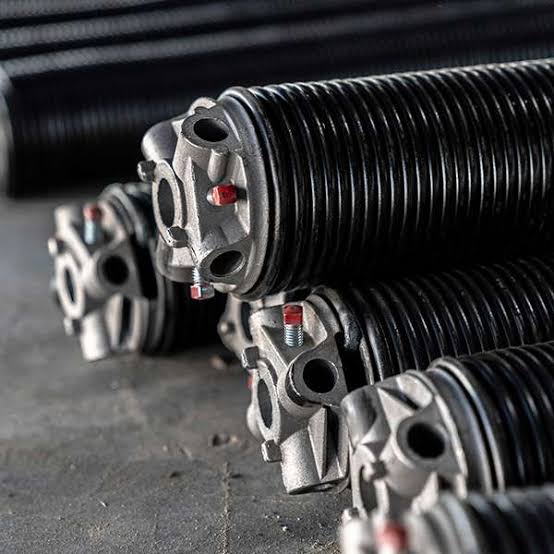
- Torsion Springs: These are mounted horizontally above the closed door on a metal shaft. They are more durable, safer, and provide smoother operation. Because they are under higher tension and require precise winding, torsion spring replacement is generally more expensive due to the skilled labor required.
- Extension Springs: These run parallel to the horizontal tracks on both sides of the door. They are cheaper to buy and easier to install but tend to wear out faster and can be dangerous if they snap without a safety cable.
If you are unsure which type you have, look above your door. A long metal rod with coils wrapped around it indicates a torsion system. Two springs stretching along the side tracks indicate an extension system.
Factors That Influence the Final Price
When asking how much does replacing a garage door spring cost, keep in mind that the base price is rarely the final price. Several variables can push the cost up or down.
1. Number of Springs
Most modern garage doors use two torsion springs to distribute the weight evenly. If one breaks, experts strongly recommend replacing both. Since they have undergone the same amount of wear, the second one is likely to fail soon after. While this doubles the parts cost, it saves you from paying for a second service call in a few weeks.
2. Door Weight and Size
A standard single-car garage door weighs less than a double-car insulated door. Heavier doors require thicker, higher-cycle springs, which cost more. If you have a custom wooden door or an extra-tall door, expect to pay a premium for heavy-duty components.
3. Geographic Location
Labor rates vary significantly across the United States. Homeowners in major metropolitan areas like New York City or San Francisco will pay considerably more for labor than those in rural Midwest towns. Additionally, local demand can affect pricing during peak seasons, such as early spring when temperature fluctuations cause many springs to snap.
4. Brand and Quality
Generic springs are cheaper, but branded springs (like Wayne Dalton or Clopay) often come with better warranties and higher cycle ratings. Investing in a “high-cycle” spring might cost 20% more upfront but could last twice as long, offering better value over time.
DIY vs. Professional Installation: Is It Worth the Risk?
This is the most critical decision you will face. Let us compare the two options objectively.
The Case for Hiring a Professional
- Safety First: Garage door springs store enough energy to cause severe injury or death if handled incorrectly. Professionals use winding bars and clamps designed to manage this tension safely.
- Warranty Protection: Most reputable companies offer a warranty on both parts and labor. If the spring fails within a year, they fix it for free.
- Correct Calibration: A pro ensures the door is perfectly balanced. An unbalanced door strains the opener, leading to premature motor failure.
The Case for DIY
- Cost Savings: You save on labor, which can be $100–$200 of the total bill.
- Control: You choose the exact brand and cycle rating of the spring.
However, the risks of DIY are substantial. According to the Consumer Product Safety Commission, garage door-related injuries send thousands of people to emergency rooms annually. If you lack experience with high-tension systems, it is strongly advised to hire a licensed technician. For more technical details on spring mechanics, you can refer to general engineering principles on Wikipedia’s page on torsion springs.
Step-by-Step: What Happens During a Professional Repair?
Understanding the process can help you feel more confident when hiring a pro. Here is what typically happens during a service call:
- Inspection: The technician checks the spring type, wire size, and door weight. They also inspect cables, rollers, and hinges for wear.
- Securing the Door: The door is locked in the open position using vice grips or clamps to prevent it from falling.
- Releasing Tension: Using winding bars, the tech carefully unwinds the old spring to release stored energy. Never attempt this step without proper training.
- Removal and Replacement: The broken spring is removed, and the new one is installed on the torsion tube.
- Winding: The new spring is wound to the correct number of turns based on the door’s height and weight. This requires precision; even half a turn off can cause imbalance.
- Testing: The door is lowered, and the technician tests the balance. The door should stay in place when lifted halfway manually.
Frequently Asked Questions (FAQ)
1. How long do garage door springs last?
On average, torsion springs last between 7 to 10 years, or about 10,000 to 30,000 cycles. Extension springs may last slightly less, around 5 to 7 years. Regular lubrication can extend their lifespan.
2. Can I replace just one spring if only one is broken?
While you can, it is not recommended. Since both springs were installed at the same time, they have similar wear levels. Replacing only one puts uneven stress on the new spring and the garage door opener, leading to another breakage soon. Always replace them in pairs.
3. Is it dangerous to replace a garage door spring myself?
Yes, it is highly dangerous. Torsion springs are under extreme tension. If a winding bar slips or a clamp fails, the spring can unwind violently, potentially causing serious injury or property damage. Unless you have specific training and tools, hire a professional.
4. Why is my garage door making a loud bang?
A loud bang usually indicates a spring has snapped. You may also see a gap in the coils or a loose cable hanging down. Stop using the door immediately and call a repair service. Do not try to force the door open, as it is now extremely heavy.
5. Does homeowners insurance cover broken garage door springs?
Generally, no. Broken springs are considered wear and tear, which is excluded from most standard homeowners insurance policies. Insurance typically covers sudden, accidental damage from events like storms or vehicle impact, not mechanical failure due to age.
6. How can I tell if my garage door springs need replacement?
Look for these signs: visible gaps in the spring coils, difficulty opening the door manually, the door slamming shut quickly, or a loud snapping noise. If your garage door opener struggles to lift the door, the springs may be losing tension.
Conclusion
Knowing how much does replacing a garage door spring cost empowers you to budget effectively and avoid being overcharged. While the average cost ranges from $150 to $550 depending on the type and quantity of springs, the peace of mind provided by a professional installation is invaluable. Remember, this is not just a repair job; it is a safety intervention.
Do not gamble with high-tension components. If your spring has broken, contact a licensed garage door technician today. Share this guide with friends or neighbors who might be facing similar issues—saving them from costly mistakes and potential injuries is a great way to spread helpful knowledge. Stay safe, and keep your garage running smoothly!
Leave a Reply