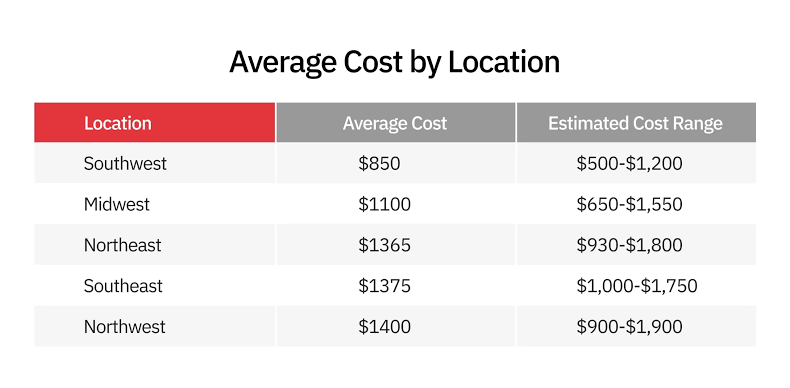
A broken garage door can disrupt your entire daily routine and leave your home feeling vulnerable. If you are stressing over the unexpected bills, you are probably wondering, how much does it cost to repair garage door systems? Let’s break down the exact pricing so you can fix it quickly without breaking the bank.
How Much Does It Cost To Repair Garage Door on Average?
When your door gets stuck, the very first question on your mind is about the budget. Nationally, the average cost to fix a standard residential door ranges between $150 and $350. However, this price can fluctuate based on the specific part that needs replacing.
For minor fixes like track realignment or sensor adjustments, you might pay as little as $125. On the higher end, major component replacements like a full motor opener or multiple panel replacements can push the bill up to $600 or more.
Several factors influence your final invoice:
- Material: Steel and aluminum doors are generally cheaper to fix than custom wood doors.
- Labor Rates: Expect to pay $75 to $150 per hour for a professional technician.
- Urgency: Emergency or weekend repairs usually carry a 20% to 30% premium.
What Are the Most Common Garage Door Repairs and Costs?
Understanding exactly what is broken helps you verify if a quote is fair. According to the International Door Association, spring failures account for nearly 40% of all service calls.
Here is a quick breakdown of the most frequent issues and their average market rates in 2026:
| Repair Type | Average Cost | Time Required |
|---|---|---|
| Spring Replacement | $150 – $350 | 1 – 2 hours |
| Cable Replacement | $100 – $200 | 1 – 1.5 hours |
| Roller Replacement | $100 – $200 | 1 hour |
| Opener Repair | $100 – $300 | 1 – 2 hours |
| Track Realignment | $125 – $200 | 1 hour |
| Panel Replacement | $250 – $800 | 2 – 4 hours |
Note: The modern garage door relies heavily on high-tension springs. Because these parts are under extreme tension, professional handling is highly recommended for safety.
Step-by-Step: How to Troubleshoot Before Calling a Pro
Before you spend a dime, you can rule out simple electrical or alignment issues. Here is a quick, concrete tutorial to troubleshoot a non-working motor:
- Check the Power Source: Ensure the motor unit is plugged in and the outlet is receiving exactly 120 volts. Reset your home’s circuit breaker if necessary.
- Clean the Photo-Eye Sensors: Locate the small sensors near the floor on both sides of the track. Wipe the lenses gently with a dry microfiber cloth. Ensure they are aligned at exactly 6 inches off the ground and facing each other directly.
- Lubricate the Moving Parts: Apply exactly 2 sprays of white lithium grease to the metal hinges and the center bearing plate. Avoid using standard WD-40, as it attracts dust.
- Test the Manual Release: Pull the red emergency release cord to disconnect the motor. Try lifting the door manually. If it is incredibly heavy, you have a broken spring, not a motor issue.
DIY vs. Professional Repair: Which is Better?
While the DIY route is tempting, garage doors are the largest moving objects in your home. Here is a quick comparison to help you decide.
Pros of DIY Repair
- Cost Savings: You only pay for parts, saving roughly $100 in labor.
- Convenience: You can fix minor issues like lubricating tracks on your own schedule.
Cons of DIY Repair
- High Safety Risk: Torsion springs store enough kinetic energy to cause severe injury if they snap during a DIY attempt.
- Voided Warranties: Tampering with the motor or springs often voids the manufacturer’s warranty.
- Hidden Costs: Misdiagnosing the problem can lead to buying the wrong parts, costing you more in the long run.
Expert Advice: Always hire a licensed professional for spring, cable, and opener repairs. Stick to DIY only for basic maintenance like cleaning tracks and lubricating hinges.
How Can You Save Money on Garage Door Fixes?
You do not have to overpay for a functional door. Here are a few smart strategies to keep your costs down:
- Schedule During the Off-Season: Technicians are less busy in the early spring and late fall. You can often negotiate a 10% discount during these slower months.
- Bundle Repairs: If you need new rollers and a spring replacement, ask for a package deal. Combining labor for multiple fixes saves you from paying the trip-charge twice.
- Perform Annual Maintenance: Spending $50 a year on professional lubrication and tuning can extend the lifespan of your springs by up to 30%, preventing premature replacements.
Frequently Asked Questions (FAQ)
1. Is it cheaper to repair or replace a garage door?
Generally, repairing is much cheaper. If the repair costs exceed 50% of the price of a brand-new door, or if the door is over 15 years old and requires multiple fixes, replacement becomes the more cost-effective and energy-efficient choice.
2. How long do garage door springs last?
Standard torsion springs are rated for about 10,000 cycles (one cycle equals opening and closing the door once). For an average family, this translates to roughly 7 to 9 years of daily use before they need replacement.
3. Does homeowners insurance cover garage door repair?
Standard homeowners insurance typically covers garage door damage caused by sudden, accidental events like a vehicle crashing into it or severe weather (like a windstorm). However, it does not cover normal wear and tear, such as a spring breaking from old age.
4. Can I repair a garage door myself?
You can safely perform basic maintenance like cleaning the tracks, weather-stripping replacement, and lubricating hinges. However, any repair involving high-tension springs, frayed cables, or internal opener gears should strictly be left to certified professionals due to the severe injury risks involved.
Conclusion
Knowing how much does it cost to repair garage door systems empowers you to make smart, budget-friendly decisions. By understanding average pricing, recognizing common issues, and knowing when to call a professional, you can restore your home’s security without overspending. Regular maintenance is truly your best investment for avoiding costly emergency calls!
Did you find this guide helpful? Please share this article on your Facebook, Pinterest, or X (Twitter) to help your friends and family save money on their home repairs!
Leave a Reply