Have you ever woken up to the loud bang of a snapped cable or found your garage door stuck halfway open? It is a frustrating and potentially dangerous situation that halts your daily routine immediately. If you are wondering how much does it cost to repair garage door springs, you are not alone; this is one of the most common yet critical home maintenance issues homeowners face.
Understanding the Average Cost of Repair
When a garage door spring breaks, the immediate question is always about the price tag. The cost can vary significantly depending on your location, the type of spring, and whether you hire a professional or attempt a DIY fix. However, understanding the baseline numbers helps you budget effectively and avoid being overcharged by unscrupulous service providers.
On average, homeowners in the United States spend between $150 and $350 for professional garage door spring repair. This range typically includes the cost of parts and labor. For a single standard torsion spring replacement, you might pay on the lower end, while dual spring systems or high-cycle commercial-grade springs will push the price toward the higher end.
It is important to note that these prices are estimates for 2026. Inflation and supply chain dynamics can cause fluctuations, but the labor component usually remains the most significant part of the bill. A professional technician brings not just the new spring, but also the specialized tools and safety knowledge required to handle the immense tension stored in these components.
Breakdown of Costs: Parts vs. Labor
To understand where your money goes, let’s look at the typical breakdown:
- Parts (Springs): $50 – $100 per spring. High-quality, oil-tempered steel springs last longer and may cost slightly more.
- Labor: $100 – $200. This covers the technician’s time, travel, and expertise.
- Service Call Fee: $50 – $80. Some companies waive this if you proceed with the repair.
- Additional Hardware: $20 – $50. Cables, rollers, or brackets may need replacement if they were damaged when the spring snapped.
| Item | Low End Estimate | High End Estimate |
|---|---|---|
| Single Torsion Spring | $150 | $250 |
| Dual Torsion Springs | $250 | $400 |
| Extension Springs (Pair) | $100 | $200 |
| Emergency/After-Hours Service | +$50 | +$100 |
Torsion Springs vs. Extension Springs: Which Is More Expensive?
Not all garage door springs are created equal. The two main types are torsion springs and extension springs, and their repair costs differ due to complexity and material requirements.
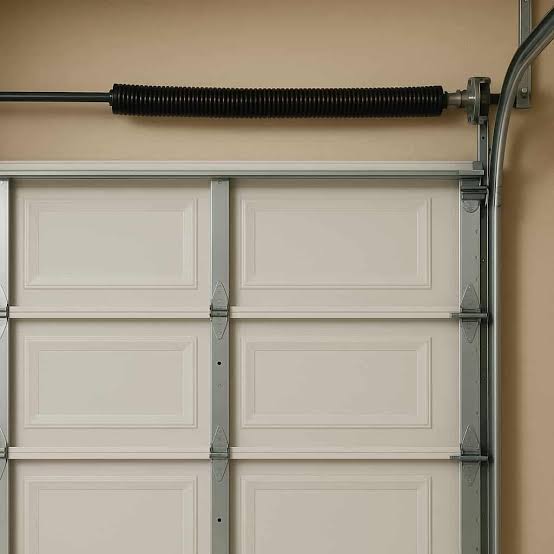
Torsion springs are mounted horizontally above the garage door opening. They are generally more durable, safer, and provide smoother operation. Because they handle heavier doors and require precise winding with specialized bars, the labor cost for torsion spring repair is typically higher. However, they last longer—often 15,000 to 20,000 cycles—making them a better long-term investment.
Extension springs are located on either side of the door, running parallel to the horizontal tracks. They stretch and contract to lift the door. While the parts themselves are cheaper, extension springs are considered less safe because they can snap violently if not contained by a safety cable. Their lifespan is shorter, usually around 10,000 cycles. Consequently, while the initial repair cost might be lower, you may find yourself replacing them more frequently.
For most modern homes, torsion springs are the standard. If you have an older home with extension springs, consider upgrading to torsion springs during your repair. Although the upfront cost is higher, the improved safety and longevity often justify the expense.
Why Professional Repair Is Worth the Cost
You might be tempted to save money by repairing the spring yourself, especially after watching a few online tutorials. However, garage door springs are under extreme tension—enough to lift hundreds of pounds. A mishandled spring can release this energy instantaneously, causing severe injury or even death.
According to safety guidelines from industry experts, attempting DIY spring repair without proper training and tools is highly discouraged. The risk simply outweighs the potential savings. When you hire a licensed professional, you are paying for:
- Safety Assurance: Technicians use winding bars and clamps designed to control the tension safely.
- Correct Calibration: A spring must be wound to the exact number of turns specified for your door’s weight. Incorrect winding leads to premature failure or opener strain.
- Warranty Protection: Reputable companies offer warranties on both parts and labor, giving you peace of mind.
- Inspection of Other Components: A pro will check cables, rollers, and hinges for wear, preventing future breakdowns.
For more detailed safety standards regarding garage door systems, you can refer to general safety protocols outlined by authoritative bodies like Wikipedia’s entry on Garage Doors, which highlights the mechanical risks involved.
Factors That Influence Repair Prices
Several variables can affect the final quote you receive. Being aware of these factors helps you negotiate better and understand the pricing structure.
- Geographic Location: Labor rates in urban areas like New York or San Francisco are higher than in rural regions.
- Door Weight and Size: Heavier double-car doors require stronger, more expensive springs.
- Spring Cycle Life: Standard springs last 10,000 cycles, while high-cycle springs last 25,000+. Upgrading to high-cycle springs costs more initially but reduces long-term maintenance.
- Urgency: Emergency repairs on weekends, holidays, or after hours often incur a premium fee.
- Brand and Quality: Premium brands like Raynor or Overhead Door may charge more for OEM (Original Equipment Manufacturer) parts.
Signs Your Garage Door Springs Need Replacement
How do you know if it’s time to call a professional? Look out for these common warning signs:
- Loud Bang: A sudden noise resembling a gunshot often indicates a snapped spring.
- Door Won’t Open: The opener motor runs, but the door doesn’t move or only moves a few inches.
- Gap in the Spring: Visually inspect the torsion spring. A visible gap between the coils means it has broken.
- Uneven Movement: The door jerks or hangs crookedly as it moves.
- Cables Are Loose: If the lifting cables appear slack, the spring is no longer providing counterbalance.
If you notice any of these issues, stop using the door immediately. Continuing to operate a garage door with a broken spring can damage the opener, bend the tracks, or cause the door to fall unexpectedly.
FAQ Section
1. Can I drive my car out if the garage door spring is broken?
No, it is not recommended. Without the counterbalance provided by the spring, the door is extremely heavy. Forcing it open manually can damage the tracks, rollers, and opener. It also poses a significant safety risk as the door could fall suddenly.
2. How long do garage door springs last?
Standard torsion springs are rated for approximately 10,000 cycles (one open and close equals one cycle). For an average family, this translates to 7–10 years. High-cycle springs can last up to 25,000 cycles or more. Extension springs typically have a shorter lifespan of 5–7 years.
3. Is it safe to replace garage door springs myself?
Generally, no. Garage door springs store a tremendous amount of kinetic energy. Improper handling can lead to serious injuries, including broken bones or lacerations. Unless you have specific training and the correct tools (winding bars, vice grips, and ladder stabilizers), it is best to leave this task to professionals.
4. Why do garage door springs break so often?
Springs break due to metal fatigue caused by repeated stretching and contracting. Environmental factors like humidity, temperature fluctuations, and lack of lubrication can accelerate this process. Rust and corrosion also weaken the metal, making it prone to snapping.
5. Should I replace both springs if only one is broken?
Yes, it is highly advisable. If one spring has failed due to age and wear, the other is likely near the end of its life as well. Replacing both ensures balanced lifting and prevents another breakdown in the near future. Most professionals will recommend replacing pairs to maintain symmetry and safety.
6. Does homeowners insurance cover broken garage door springs?
Typically, no. Homeowners insurance covers sudden and accidental damage from covered perils (like fire or storm damage). Broken springs are considered wear and tear or maintenance issues, which are the homeowner’s responsibility. However, if the spring broke due to a covered event, such as a vehicle hitting the door, it might be covered. Check your policy for specifics.
Conclusion
Knowing how much does it cost to repair garage door springs empowers you to make informed decisions when faced with this common household issue. With average costs ranging from $150 to $350, professional repair offers a safe, reliable, and warrantied solution that protects your home and family.
While the temptation to save money with a DIY approach is understandable, the risks associated with high-tension springs are too great to ignore. Invest in quality parts, choose a reputable local technician, and consider upgrading to high-cycle springs for long-term peace of mind.
If you found this guide helpful, please share it with your friends and neighbors on social media. You never know who might be struggling with a stuck garage door right now! Stay safe, and keep your garage running smoothly.
Leave a Reply