Does your garage feel like an icebox in winter and a sauna in summer? You are not alone. Many homeowners struggle with extreme temperatures in their garages, which can affect comfort and energy bills. If you are wondering how much does it cost to insulate a garage door, this guide breaks down every expense so you can make an informed decision.
Understanding the Average Cost of Garage Door Insulation
The cost to insulate a garage door varies significantly based on materials, labor, and the size of your door. On average, homeowners spend between $200 and $800 for a complete insulation project. However, this range can shift depending on whether you choose a DIY approach or hire a professional.
For a standard single-car garage door (typically 8×7 feet), material costs alone can range from $50 to $150. Double-car garage doors (16×7 feet) will naturally require more material, pushing costs to $100–$300 for supplies. If you hire a professional, expect to pay an additional $150–$500 for labor, bringing the total project cost higher.
It is important to note that these figures are estimates. Local market rates, the condition of your existing door, and the type of insulation chosen all play critical roles in the final price tag.
Factors That Influence Insulation Costs
Several key factors determine the final bill for your garage door insulation project. Understanding these variables helps you budget accurately and avoid unexpected expenses.
1. Type of Insulation Material
Not all insulation is created equal. The material you choose impacts both performance and price.
- Polystyrene Foam Boards: These are rigid panels that fit between door sections. They are affordable, typically costing $0.50–$1.50 per square foot. They offer good thermal resistance but can be brittle.
- Polyurethane Foam: This spray-on or injected foam provides superior insulation and adds structural strength. It is more expensive, ranging from $1.50–$3.00 per square foot, but offers a higher R-value (thermal resistance).
- Reflective Foil Insulation: Often used in warmer climates, this material reflects heat rather than blocking it. It is lightweight and cheap, costing around $0.30–$0.80 per square foot, but less effective in cold weather.
2. Size of the Garage Door
Larger doors require more material and labor. A double-wide door will cost nearly twice as much to insulate as a single-door unit. Always measure your door’s height and width accurately before purchasing materials.
3. Labor Costs: DIY vs. Professional Installation
Choosing between doing it yourself and hiring a pro is one of the biggest cost determinants.
- DIY Installation: If you are handy, you can save hundreds of dollars. Most insulation kits come with adhesive and instructions. The only cost is materials.
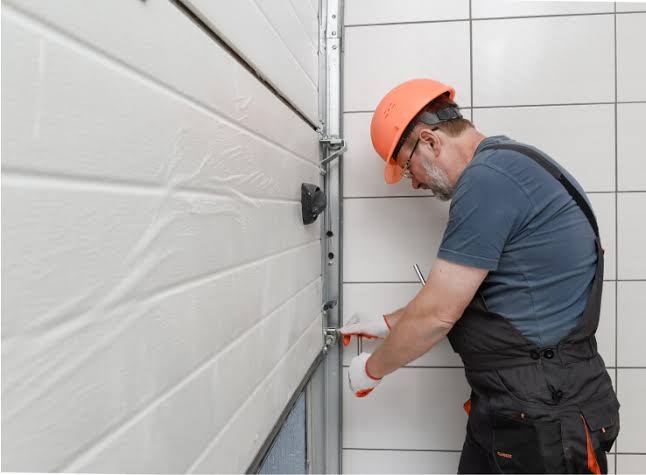
- Professional Installation: Hiring a technician ensures proper sealing and avoids damage to the door’s mechanical components. Labor rates vary by region but generally fall between $50–$100 per hour.
4. Condition of the Existing Door
If your garage door is old, warped, or has gaps, you may need repairs before insulating. Sealing leaks and fixing hinges can add $100–$300 to your project. Insulating a damaged door without repairing it first reduces effectiveness.
DIY vs. Professional Installation: Which Is Better?
Deciding whether to tackle this project yourself or call in experts depends on your budget, skills, and time. Here is a comparison to help you choose.
| Feature | DIY Installation | Professional Installation |
|---|---|---|
| Cost | Low ($50–$300) | High ($300–$800+) |
| Time Commitment | 4–8 hours | 2–4 hours |
| Skill Level Required | Basic | None |
| Warranty | None | Often included |
| Risk of Error | Moderate | Low |
When to Choose DIY: If you have a standard door, basic tools, and a weekend to spare, DIY is a great option. Many manufacturers sell pre-cut kits designed for easy installation. Just ensure you follow safety guidelines, especially when working with springs and cables.
When to Hire a Pro: If your door is heavy, custom-sized, or part of a complex smart-home system, professional installation is safer. Experts can also identify underlying issues like poor weatherstripping that you might miss.
Step-by-Step Guide to Insulating Your Garage Door
If you decide to go the DIY route, follow these steps for a successful installation.
- Measure Your Door: Record the height and width of each panel. Buy insulation that fits snugly.
- Clean the Surface: Wipe down the interior of the door with a mild detergent. Remove dust and grease to ensure adhesive bonds properly.
- Cut the Insulation: Use a utility knife to cut foam boards or reflective foil to match each panel’s dimensions. Leave a slight gap (1/8 inch) for expansion.
- Apply Adhesive: Use high-strength construction adhesive or the tape provided in your kit. Apply evenly to the back of the insulation.
- Press and Secure: Firmly press the insulation into each panel. Use masking tape to hold edges in place while the adhesive dries.
- Seal Gaps: Install weatherstripping around the door’s perimeter to prevent air leaks. This step is crucial for maximizing energy efficiency.
For more detailed information on insulation materials and their thermal properties, you can refer to Wikipedia’s page on Thermal Insulation.
Benefits of Insulating Your Garage Door
Investing in garage door insulation offers more than just temperature control. Here are the top benefits:
- Energy Savings: A well-insulated garage reduces heat transfer, lowering heating and cooling costs for adjacent rooms.
- Noise Reduction: Insulation acts as a sound barrier, dampening noise from outside traffic or inside workshops.
- Increased Durability: Insulated doors are often more robust and resistant to dents and damage.
- Enhanced Comfort: Whether you use your garage as a workspace or storage area, stable temperatures make it more usable year-round.
FAQ Section
How long does it take to insulate a garage door?
For a DIY project, expect to spend 4–8 hours, depending on your experience and the door’s size. Professionals can complete the job in 2–4 hours.
What is the R-value, and why does it matter?
R-value measures thermal resistance. Higher R-values mean better insulation. For garage doors, an R-value of 8–12 is recommended for moderate climates, while colder regions may benefit from R-values of 12–18.
Can I insulate a garage door myself?
Yes, most homeowners can insulate their garage doors using pre-cut kits. However, if you are uncomfortable working with tools or your door has complex mechanisms, hiring a professional is safer.
Does insulating a garage door increase home value?
While it may not drastically increase appraisal value, it improves energy efficiency and comfort, which are attractive features for potential buyers. It is a cost-effective upgrade that enhances livability.
What is the best insulation for a garage door in hot climates?
In hot climates, reflective foil insulation is highly effective because it reflects radiant heat. Combining it with proper weatherstripping maximizes cooling efficiency.
Conclusion
Knowing how much does it cost to insulate a garage door empowers you to make a smart investment in your home’s comfort and efficiency. Whether you choose a budget-friendly DIY kit or opt for professional installation, the benefits of reduced energy bills, noise reduction, and improved durability are clear.
Take action today! Measure your door, compare materials, and decide which approach fits your budget. If you found this guide helpful, share it with friends and family who might be struggling with their garage temperatures. Together, we can create more energy-efficient homes.
Leave a Reply