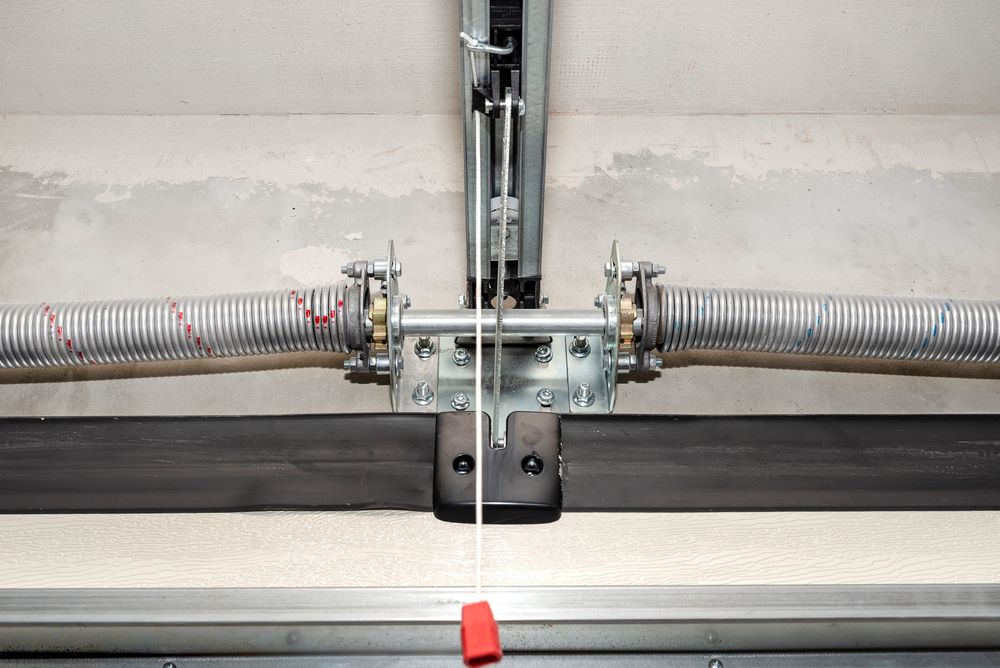
Many homeowners ask, how much does it cost to install garage door springs, and finding the answer is the crucial first step to restoring your daily routine. We know how stressful it is when your heavy garage door refuses to budge and traps your car inside, but don’t worry—we are here to help you navigate the pricing with total confidence!
How Much Does It Cost To Install Garage Door Springs on Average?
When your door breaks down, the immediate question is about the damage to your wallet. On average, the total cost to install garage door springs ranges from $200 to $350 for most standard residential homes.
This price typically includes both the replacement parts and the professional labor required to do the job safely. However, the final bill can fluctuate based on the specific type of spring system your garage uses.
Here is a quick breakdown of what you can expect to pay:
| Spring Type | Parts Cost (Average) | Labor Cost (Average) | Total Estimated Cost |
|---|---|---|---|
| Torsion Springs | $100 – $250 | $100 – $150 | $200 – $400 |
| Extension Springs | $50 – $150 | $75 – $125 | $125 – $275 |
| Torque Master | $120 – $200 | $120 – $180 | $240 – $380 |
Note: Prices may vary depending on your geographic location and the specific service provider you choose.
What Factors Affect Garage Door Spring Installation Prices?
Understanding the variables behind the pricing helps you avoid overpaying. Several key factors dictate the final invoice for your garage door repair.
1. The Type of Spring System As shown in the table above, torsion springs are generally more expensive than extension springs. This is because torsion systems are mounted on a metal shaft above the door and require heavier, more durable steel to lift heavier doors.
2. Door Size and Weight If you have a custom oversized wooden door or a double-carriage door, it requires heavy-duty springs. These specialized springs cost more to manufacture and require more physical labor to install.
3. Geographic Location Labor rates vary wildly across the United States. A technician in New York City or San Francisco will charge a higher hourly rate compared to a technician in a rural midwestern town.
4. Additional Repairs Sometimes, a broken spring takes out other components. If the installer notices worn-out cables, damaged rollers, or bent tracks, fixing those issues will add to your final bill.
Torsion vs. Extension Springs: Which is Better?
Choosing the right spring isn’t just about cost; it is about longevity and safety. Here is a quick text infographic comparing the two most common types:
Torsion Springs
- Pros: Lasts much longer (15,000 to 20,000 cycles), operates much quieter, and provides smoother lifting balance.
- Cons: Higher upfront cost and requires professional installation due to extreme tension.
- Best For: Standard single and double-wide residential garage doors.
Extension Springs
- Pros: Cheaper upfront cost, takes up less headroom above the door, and simpler mechanical design.
- Cons: Shorter lifespan (10,000 cycles), tends to be noisier, and requires safety cables to prevent injury if they snap.
- Best For: Older homes, low-headroom garages, or lightweight single doors.
Step-by-Step: How to Measure Your Springs for an Accurate Quote
If you want to get an exact quote over the phone, you need to know your spring specifications. Here is a concrete, step-by-step tutorial on how to measure your existing torsion springs safely.
Warning: Do not attempt to unwind or remove the springs yourself. Just measure them visually.
Step 1: Measure the Overall Length Using a standard metal tape measure, measure the entire length of the spring from the very end of the winding cone to the other. For example, you might get an exact measurement of 25.5 inches.
Step 2: Calculate the Wire Size This requires a bit of math. Take your tape measure and measure exactly 10 consecutive coils of the spring wire. If those 10 coils measure exactly 1.25 inches, you divide that by 10. This gives you a wire size of 0.125 inches (or 1/8 inch).
Step 3: Determine the Inside Diameter Measure the inside width of the spring coil. Standard residential sizes are usually exactly 1.75 inches or 2.0 inches. Make sure you measure the inside edge, not the outside.
Step 4: Identify the Wind Direction Look at the spring closely. If the left end points up like a hill, it is a Left-Wind spring. If the right end points up, it is a Right-Wind spring. Most doors use one of each.
By providing these four exact numbers to a technician, you guarantee an accurate quote with zero hidden surprises.
DIY vs. Professional Installation: Is the Risk Worth It?
Many DIY enthusiasts wonder if they can save money by doing it themselves. However, garage door springs are under extreme mechanical tension.
According to the Garage door mechanical principles, the springs store hundreds of pounds of torque to counterbalance the door’s weight. If a torsion spring slips during a DIY replacement, the winding bars can spin violently, causing severe blunt force trauma or broken bones.
“The physical danger alone makes professional installation mandatory for 99% of homeowners,” says a senior technician from the International Door Association (IDA).
While a DIY kit might save you $100 in labor, the medical bills from a potential injury are not worth the risk. Always hire a licensed and insured professional.
Frequently Asked Questions
1. How long do garage door springs typically last?
The lifespan is measured in “cycles” (one cycle equals opening and closing the door once). Standard springs last for about 10,000 cycles, which translates to roughly 7 to 10 years for an average family. Heavy-duty options can last up to 20,000 cycles.
2. Can I replace just one broken garage door spring?
It is highly recommended to replace both springs at the same time, even if only one is broken. If one spring has snapped, the other has endured the exact same amount of wear and tear and will likely break within a few weeks. Replacing both saves you a second service call fee.
3. What are the early warning signs of a failing spring?
Listen closely when you operate the door. If you hear a loud, sudden “bang” from inside the garage, a spring has just snapped. Other early signs include the door struggling to open, appearing crooked when halfway open, or a visible gap in the spring coils.
4. Does homeowners insurance cover broken garage door springs?
Generally, no. Homeowners insurance considers broken springs to be standard wear-and-tear maintenance issues. It will only cover the damage if the spring broke due to a covered peril, like a severe windstorm or a vehicle crashing into the door.
Final Thoughts
Knowing how much does it cost to install garage door springs empowers you to make smart, budget-friendly decisions without falling victim to scams. By understanding the average prices, the difference between spring types, and the exact measurements needed for a quote, you can get your door running smoothly again in no time.
Always prioritize safety by hiring a certified professional, and remember to replace both springs simultaneously to avoid future headaches.
Did you find this guide helpful? Don’t let your friends get stranded in their driveways! Share this article on your Facebook, Twitter, or Pinterest to help your community save money on their next garage door repair!
Leave a Reply