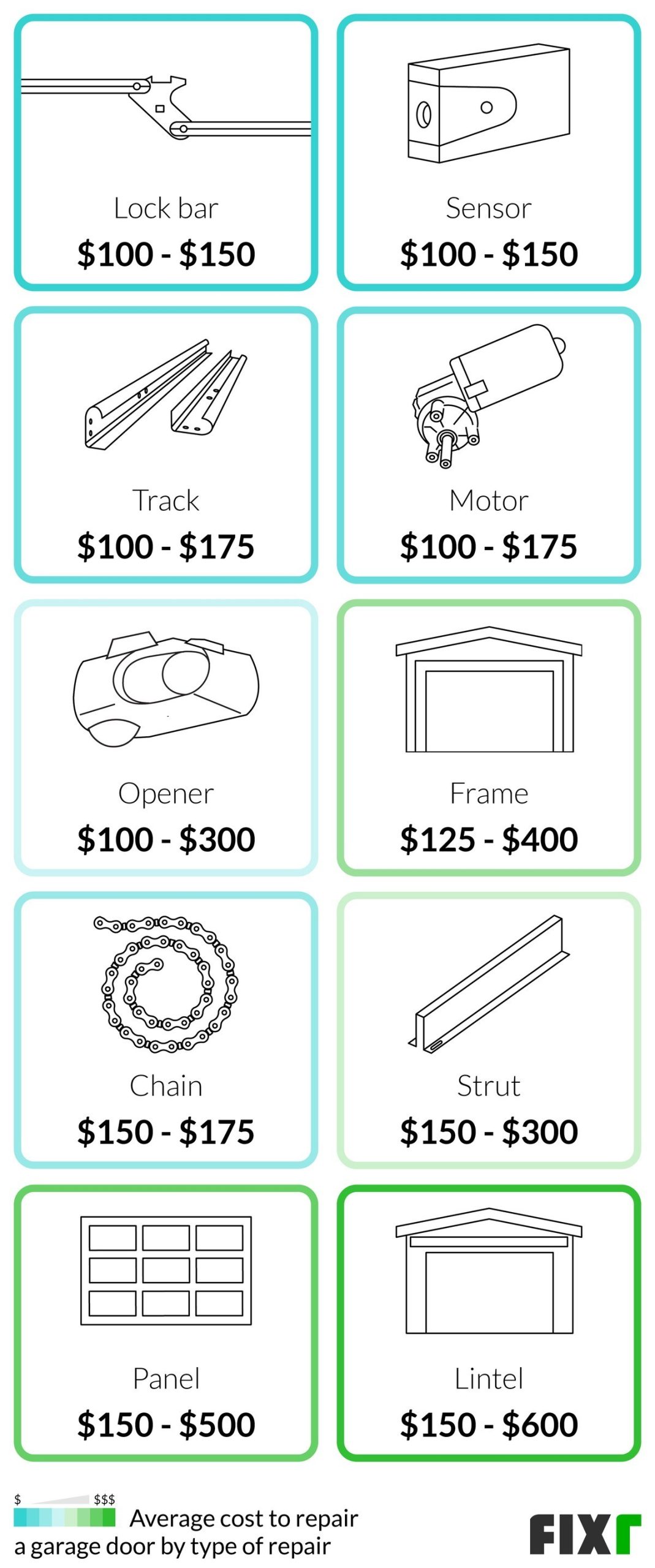
Replacing a worn-out or damaged entryway is a significant home improvement project that impacts both curb appeal and security. If you are wondering how much does it cost to change garage door, you are not alone; it is one of the most common questions homeowners ask before starting renovations. Understanding the financial commitment helps you budget effectively and avoid unexpected surprises during installation.
Understanding the Average Costs in 2026
The cost to replace a garage door varies significantly based on materials, size, and labor rates in your area. On average, homeowners in the United States spend between $850 and $4,500 for a standard single-car garage door replacement, including professional installation. For double-car doors, the price range typically shifts to $1,200–$6,500.
Several factors influence these numbers. The type of material you choose plays the largest role. Steel doors are generally the most affordable, while wood and custom fiberglass options can drive prices up considerably. Additionally, if your existing tracks, springs, or opener are incompatible with the new door, you may incur extra costs for hardware upgrades.
According to recent industry data, labor accounts for approximately 30–40% of the total project cost. This means that while buying a cheaper door might seem like a good idea, skimping on professional installation can lead to safety hazards and premature wear. Always prioritize certified installers who offer warranties on both parts and labor.
Breakdown by Material Type
Choosing the right material is crucial for balancing aesthetics, durability, and budget. Here is a detailed look at the most common options available in the market today.
Steel Doors
Steel remains the most popular choice due to its affordability and low maintenance requirements.
- Cost Range: $850–$2,500
- Pros: Durable, resistant to warping, available in various styles, and often comes with insulation options.
- Cons: Prone to denting if hit by heavy objects; lower-end models may rust over time if the coating is damaged.
Wood Doors
For a classic, high-end look, wood doors are unmatched. They offer natural beauty but require more upkeep.
- Cost Range: $2,000–$6,000+
- Pros: Authentic aesthetic, excellent insulation properties, and customizable finishes.
- Cons: High maintenance (requires regular staining or painting), susceptible to rot and insect damage, and heavier than steel.
Aluminum and Glass Doors
Modern homes often feature aluminum frames with glass panels, providing a sleek, contemporary appearance.
- Cost Range: $1,500–$4,500
- Pros: Lightweight, rust-resistant, and allows natural light into the garage.
- Cons: Less insulating than other materials, prone to denting, and glass panels can be fragile.
Fiberglass and Composite Doors
These doors mimic the look of wood without the high maintenance needs.
- Cost Range: $1,800–$4,000
- Pros: Resistant to denting and corrosion, lightweight, and good insulation.
- Cons: Can fade under intense sunlight and may crack in extremely cold climates.
| Material | Average Cost | Durability | Maintenance Level |
|---|---|---|---|
| Steel | $850–$2,500 | High | Low |
| Wood | $2,000–$6,000+ | Medium | High |
| Aluminum/Glass | $1,500–$4,500 | Medium | Low |
| Fiberglass | $1,800–$4,000 | High | Low |
Labor and Installation Expenses
While the door itself is a major expense, labor costs are equally important. Professional installation ensures that the door is balanced correctly, which is critical for safety and longevity. Most companies charge a flat fee for installation, ranging from $200 to $500, depending on the complexity of the job.
If you live in a metropolitan area with higher living costs, expect to pay on the upper end of this spectrum. Rural areas may have lower labor rates, but availability of skilled technicians might be limited. Always ask for a detailed quote that separates material costs from labor to understand exactly what you are paying for.
It is also worth noting that some retailers offer “free installation” promotions. Be cautious with these offers, as they may include hidden fees for removing the old door, disposing of debris, or upgrading necessary hardware. Read the fine print carefully before committing.
Additional Costs to Consider
Beyond the door and basic installation, several additional expenses can affect your final bill. Being aware of these helps prevent budget overruns.
Old Door Removal and Disposal
Removing an old garage door is dangerous and labor-intensive. Most professionals charge $50–$150 for removal and disposal. If you attempt to do it yourself, ensure you have proper help and safety gear, as garage doors are heavy and under tension.
Hardware Upgrades
New doors often come with standard hinges and rollers. However, upgrading to nylon-coated rollers or heavy-duty hinges can reduce noise and increase lifespan. These upgrades typically add $100–$300 to the total cost.
Garage Door Opener Compatibility
If your current opener is old, it may not work efficiently with a new door. Installing a new smart opener with Wi-Fi connectivity and battery backup can cost $300–$600. While not strictly necessary, it enhances convenience and security.
Permits and Inspections
In some jurisdictions, replacing a garage door requires a building permit, especially if structural changes are made to the opening. Permit fees vary by location but usually range from $50 to $200. Check with your local building department to confirm requirements.
DIY vs. Professional Installation
Many homeowners consider installing the door themselves to save money. However, garage door installation is one of the most dangerous DIY projects due to the high-tension springs involved.
Risks of DIY Installation:
- Safety Hazards: Torsion springs store immense energy. If handled incorrectly, they can cause severe injury or death.
- Voided Warranties: Most manufacturers void warranties if the door is not installed by a certified professional.
- Improper Balance: An unbalanced door puts strain on the opener and leads to premature failure.
Benefits of Professional Installation:
- Expertise: Technicians ensure proper alignment, balance, and safety sensor functionality.
- Warranty Protection: Full coverage on parts and labor.
- Time Savings: Professionals complete the job in 3–5 hours, whereas DIYers may take days.
For more information on safety standards and technical specifications, you can refer to the Garage Door Safety page on Wikipedia.
Frequently Asked Questions (FAQ)
1. How long does it take to replace a garage door?
A professional team typically completes the installation in 3 to 5 hours. This includes removing the old door, installing the new tracks and panels, and testing the system. DIY installations can take significantly longer, often spanning a full weekend.
2. Can I replace just the garage door panels?
Yes, but it is not always recommended. If only one panel is damaged, you can replace it individually. However, matching the color and style of older panels can be difficult due to fading. Additionally, labor costs for partial replacement are nearly the same as full replacement, making it less cost-effective in many cases.
3. Does a new garage door increase home value?
Absolutely. According to real estate experts, replacing a garage door offers one of the highest returns on investment (ROI) among home improvement projects, often recouping 90–95% of the cost upon resale. It significantly improves curb appeal, which is crucial for first impressions.
4. What is the most durable garage door material?
Steel is widely considered the most durable option for most climates. It resists warping, cracking, and splitting. For coastal areas with high salt content, aluminum or fiberglass may be better choices as they resist corrosion more effectively than standard steel.
5. Should I get an insulated garage door?
If your garage is attached to your home or used as a workspace, insulation is highly recommended. Insulated doors help regulate temperature, reduce noise, and improve energy efficiency. Look for doors with an R-value of R-12 or higher for optimal performance.
6. How often should I replace my garage door?
With proper maintenance, a quality garage door lasts 15–30 years. Signs that it is time for replacement include excessive noise, visible dents or rust, frequent repairs, and outdated aesthetics that detract from your home’s value.
Conclusion
Understanding how much does it cost to change garage door empowers you to make informed decisions that balance budget, aesthetics, and functionality. Whether you choose affordable steel or premium wood, investing in professional installation ensures safety and longevity. Remember to factor in additional costs like removal, hardware upgrades, and potential permits to avoid surprises.
By choosing the right material and working with certified professionals, you enhance your home’s security, energy efficiency, and curb appeal. Don’t hesitate to get multiple quotes and ask questions about warranties and maintenance.
If you found this guide helpful, please share it with friends or family who are planning similar home improvements. Your insights could help them save time and money on their next project!
Leave a Reply