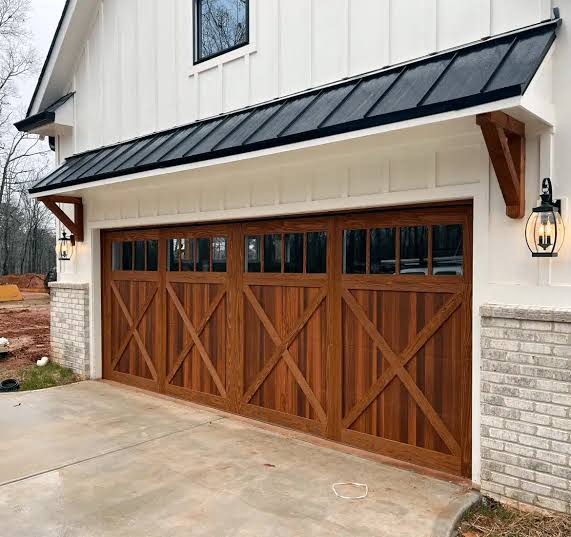
Have you ever noticed your garage door struggling to open, slamming shut unexpectedly, or simply feeling heavier than usual? These are classic signs of an unbalanced door, a common issue that can lead to premature wear on your opener and even safety hazards. If you are wondering how much does it cost to balance a garage door, you are in the right place to find clear, actionable answers.
Balancing a garage door is not just about convenience; it is about safety and longevity. An unbalanced door puts excessive strain on the garage door opener, which can burn out the motor prematurely. In this guide, we will break down the costs, explain why balancing matters, and help you decide whether to tackle this project yourself or call a professional.
Why Does My Garage Door Need Balancing?
Before diving into the costs, it is essential to understand what “balancing” actually means. Your garage door is heavy, often weighing between 130 to 400 pounds. The springs (either torsion or extension) are designed to counterbalance this weight, making the door feel nearly weightless when you lift it manually.
Over time, springs lose tension due to daily use, temperature changes, and metal fatigue. When this happens, the door becomes unbalanced.
Signs Your Garage Door Is Unbalanced
- The Door Slams Shut: If the door drops quickly when closing, the springs are likely too loose.
- Hard to Lift Manually: If you disconnect the opener and the door feels extremely heavy, the springs are not providing enough lift.
- Uneven Movement: One side of the door may hang lower than the other.
- Opener Struggles: You hear grinding noises, or the opener stops midway through the cycle.
Ignoring these signs can lead to broken cables, damaged rollers, or a snapped spring, which can be dangerous and expensive to fix. According to industry standards, garage door springs typically last for about 10,000 cycles, which translates to roughly 7–10 years of average use.
How Much Does It Cost To Balance A Garage Door?
The cost to balance a garage door varies significantly depending on whether you hire a professional or attempt a DIY fix, the type of springs your door uses, and your location.
On average, hiring a professional technician to balance a garage door costs between $150 and $350. This price usually includes labor, inspection, and minor adjustments. However, if the balancing requires replacing worn-out springs, the cost can rise to $200–$500 or more, depending on the spring type and door weight.
Breakdown of Professional Costs
| Service Component | Estimated Cost | Notes |
|---|---|---|
| Labor Only (Adjustment) | $80 – $150 | If springs are still good but need tension adjustment. |
| Spring Replacement (Pair) | $150 – $350 | Includes parts and labor for standard torsion springs. |
| High-Cycle Springs | $300 – $500 | Longer-lasting springs (25,000+ cycles). |
| Emergency/After-Hours | +$50 – $100 | Additional fee for weekends or nights. |
| Service Call Fee | $50 – $80 | Often waived if you proceed with the repair. |
Note: Prices are estimates based on national averages in the US for 2026. Local rates may vary.
If you choose the DIY route, the cost is primarily for tools and potential replacement parts. A basic garage door spring winding bar set costs around $20–$40, and a new pair of springs can range from $50 to $150 if purchased online. However, DIY balancing is highly discouraged for torsion springs due to the high risk of injury.
Torsion Springs vs. Extension Springs: Does It Affect Cost?
Yes, the type of spring system your garage door uses plays a major role in the balancing cost and complexity.
Torsion Springs
Located above the garage door opening, torsion springs are wound tightly to store energy. They are more common in modern homes because they are safer, quieter, and last longer.
- Balancing Complexity: High. Requires specialized winding bars and precise calculations.
- Cost: Generally higher for professional service due to the skill required.
- Safety Risk: Very high if handled incorrectly. The stored energy can cause severe injury.
Extension Springs
Located on both sides of the door, above the horizontal tracks. They stretch and contract as the door moves.
- Balancing Complexity: Moderate. Involves adjusting the pulley system or S-hooks.
- Cost: Slightly lower than torsion springs.
- Safety Risk: Moderate. Still dangerous if a cable snaps, but less stored energy than torsion springs.
For more detailed technical specifications on spring mechanics, you can refer to Wikipedia’s article on garage door operators, which provides a solid overview of the mechanical principles involved.
DIY vs. Professional: Which Should You Choose?
This is the most critical decision you will make. Let’s compare the two options objectively.
Professional Service
Pros:
- Safety: Technicians are trained to handle high-tension springs safely.
- Accuracy: Pros use precise measurements to ensure perfect balance.
- Warranty: Most companies offer a warranty on parts and labor (usually 1–5 years).
- Full Inspection: They will check cables, rollers, and hinges for wear while they are there.
Cons:
- Higher Upfront Cost: You pay for expertise and insurance.
- Scheduling: You may need to wait for an appointment.
DIY Balancing
Pros:
- Lower Cost: You only pay for parts.
- Immediate Action: No need to wait for a technician.
Cons:
- High Safety Risk: Incorrectly winding a torsion spring can result in serious injury or property damage.
- No Warranty: If you make a mistake, you bear the full cost of repairs.
- Tool Requirement: You need specific tools like winding bars, vice grips, and ladder stability.
Expert Verdict: For extension springs, a handy homeowner might safely adjust tension. For torsion springs, always hire a professional. The risk is simply not worth the savings.
Step-by-Step: How Professionals Balance a Garage Door
Understanding the process can help you appreciate the value of professional service. Here is how a certified technician typically balances a garage door:
- Disconnect the Opener: The technician pulls the release cord to disconnect the door from the automatic opener. This ensures the door is moved manually during testing.
- Manual Lift Test: They lift the door halfway up. A properly balanced door should stay in place at the 3–4 foot mark without falling or rising.
- Inspect Components: They check for worn cables, frayed wires, and damaged rollers. Any compromised parts are replaced before balancing.
- Adjust Spring Tension:
- For Torsion Springs: Using winding bars, they add or remove quarter-turns of tension from the spring cone. Each quarter-turn adjusts the lifting force significantly.
- For Extension Springs: They adjust the position of the S-hook or pulley cable to change the tension.
- Re-test: The door is lifted and lowered multiple times to ensure smooth operation.
- Reconnect and Program: The opener is reconnected, and the travel limits are adjusted if necessary.
Frequently Asked Questions (FAQ)
1. How often should I balance my garage door?
You should test the balance of your garage door every 6 months. Seasonal temperature changes can affect spring tension. If you notice any signs of imbalance, such as the door slamming or feeling heavy, test it immediately.
2. Can I balance a garage door myself safely?
If you have extension springs, you can carefully adjust the tension by moving the S-hook to a different hole on the track hanger. However, if you have torsion springs, it is strongly recommended to hire a professional. Torsion springs are under extreme tension and can cause severe injury if mishandled.
3. Why is my garage door still unbalanced after spring replacement?
If the door remains unbalanced after new springs are installed, it could be due to incorrect spring sizing, improper winding, or issues with other components like sticky rollers or bent tracks. A professional should re-evaluate the installation and check the entire system.
4. Does balancing a garage door help the opener last longer?
Yes, absolutely. An unbalanced door forces the garage door opener motor to work harder than intended. This excess strain can overheat the motor, strip gears, and shorten the lifespan of the opener. Proper balancing ensures the opener only needs to provide minimal assistance.
5. What is the average lifespan of garage door springs?
Standard garage door springs are rated for approximately 10,000 cycles (one open and one close equals one cycle). For an average family, this lasts about 7–10 years. High-cycle springs can last up to 25,000 cycles or more.
6. Is it cheaper to replace springs or just balance them?
If the springs are old or show signs of wear (gaps in torsion springs, stretching in extension springs), it is better to replace them. Simply balancing worn-out springs is a temporary fix and may lead to sudden breakage. Replacement ensures long-term reliability and safety.
Conclusion
So, how much does it cost to balance a garage door? While a simple adjustment might cost around $150, full spring replacement and balancing can range from $200 to $500. While DIY options exist, the safety risks associated with torsion springs make professional service the wisest investment for most homeowners.
A balanced garage door is not just about convenience; it is a critical component of home safety and appliance longevity. By addressing imbalance early, you save money on costly opener repairs and prevent potential accidents.
Did you find this guide helpful? Share it with your neighbors on Facebook or Twitter to help them keep their garages safe and functional! If you have any questions or experiences to share, leave a comment below.
Leave a Reply