Have you ever walked out to your car in the morning, pressed the remote, and heard a loud bang followed by silence? A broken garage door spring is one of the most common yet stressful home maintenance issues. If you are currently stuck with a door that won’t open, you are likely wondering: how much does it cost for garage door spring replacement? The answer varies based on the type of spring, your location, and whether you hire a professional or attempt a DIY fix. This guide breaks down every cost factor to help you make an informed, safe decision.
Understanding the Two Main Types of Garage Door Springs
Before discussing prices, it is crucial to identify which type of spring your garage door uses. The cost difference between the two is significant, not just in parts but in labor complexity.
Torsion Springs
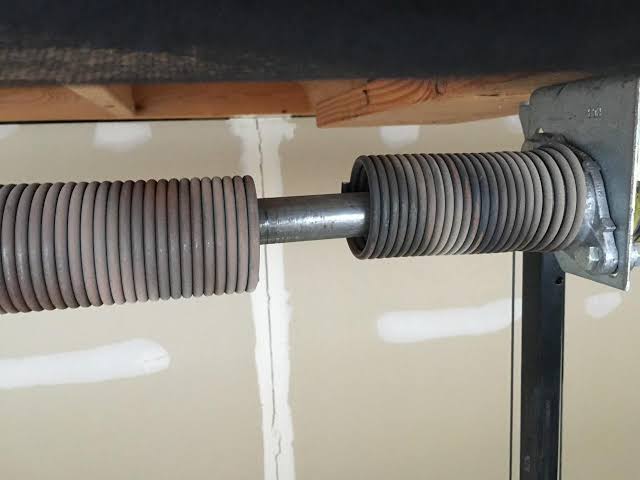
Torsion springs are mounted horizontally above the closed garage door. They work by twisting (torque) to lift the heavy door. These are found in most modern homes because they are safer, more durable, and provide smoother operation. However, replacing them is dangerous due to the high tension involved.
Extension Springs
Extension springs are located on both sides of the upper horizontal tracks. They stretch and contract to help lift the door. These are typically found in older homes or lighter doors. While slightly cheaper to replace, they still carry risk and require careful handling.
Expert Note: According to industry standards, torsion springs generally last longer (15,000–20,000 cycles) compared to extension springs (10,000 cycles). One “cycle” equals one opening and closing of the door. Learn more about mechanical spring systems on Wikipedia.
Average Cost Breakdown: Parts vs. Labor
When asking how much does it cost for garage door spring replacement, you must separate the cost of the hardware from the service fee. Most homeowners pay between $150 and $350 for a complete professional replacement.
Here is a detailed breakdown of typical costs in 2026:
| Cost Component | Low End | Average | High End |
|---|---|---|---|
| Single Spring (Parts Only) | $40 | $80 | $150 |
| Labor Fee | $80 | $120 | $200 |
| Total Professional Cost | $120 | $200 | $350+ |
| Emergency/After-Hours Fee | +$50 | +$100 | +$150 |
Why Do Prices Vary So Much?
Several factors influence the final bill:
- Location: Labor rates in urban areas like New York or San Francisco are higher than in rural Midwest towns.
- Door Weight: Heavier doors (double-car or wood) require heavier-gauge springs, which cost more.
- Spring Quality: Standard steel springs are cheaper than galvanized or oil-tempered springs, which resist rust and last longer.
Torsion Spring vs. Extension Spring: Cost Comparison
Which spring is more expensive to replace? Generally, torsion springs have a higher upfront cost but offer better long-term value.
Torsion Spring Replacement Costs
- Average Total Cost: $200–$350
- Pros: Safer operation, balanced lift, longer lifespan.
- Cons: Higher labor cost due to complexity; requires specialized winding bars.
Extension Spring Replacement Costs
- Average Total Cost: $150–$250
- Pros: Cheaper parts, simpler mechanism.
- Cons: Shorter lifespan, prone to snapping violently if not maintained, requires safety cables.
Verdict: If you have extension springs, consider upgrading to torsion springs. Although the initial cost is higher, you will save money in the long run by avoiding frequent replacements.
Is DIY Garage Door Spring Replacement Worth It?
Many homeowners ask if they can save money by doing it themselves. While buying a spring online might cost only $40–$60, DIY replacement is strongly discouraged for torsion springs.
The Dangers of DIY
Garage door springs are under extreme tension. A slipping winding bar can cause the spring to unwind explosively, potentially causing severe injury or death. Extension springs can also snap back dangerously if not secured properly.
When DIY Might Be Okay
- You have experience with mechanical systems.
- You are replacing extension springs (still risky, but less so than torsion).
- You have the correct tools: winding bars, vice grips, ladder, and safety glasses.
- You strictly follow manufacturer instructions.
Recommendation: For most people, the $100–$150 saved is not worth the risk. Hire a licensed technician who carries insurance.
Signs Your Garage Door Springs Need Replacement
How do you know if it’s time to spend money on a replacement? Look for these warning signs:
- Loud Bang: A sudden gunshot-like noise from the garage.
- Door Won’t Open: The opener motor runs, but the door stays shut or moves only a few inches.
- Gap in Spring: For torsion springs, look for a visible gap in the coiled metal.
- Uneven Movement: The door tilts to one side as it opens.
- Cables Are Loose: If the lifting cables hang slack, the spring is no longer providing tension.
How to Extend the Life of Your Garage Door Springs
Prevention is cheaper than cure. Follow these maintenance tips to maximize your investment:
- Lubricate Regularly: Use a silicone-based lubricant or white lithium grease on the springs every 6 months. Avoid WD-40 as it attracts dust.
- Check Balance: Disconnect the opener and manually lift the door halfway. It should stay in place. If it falls or rises, the springs are unbalanced.
- Inspect for Rust: Rust weakens metal. If you see significant corrosion, plan for a replacement soon.
- Cycle Count Awareness: If you know when your springs were installed, track usage. Standard springs last ~10,000 cycles. If you open your door 4 times a day, they may last only 7 years.
FAQ Section
1. How long does garage door spring replacement take?
A professional technician typically completes the job in 30 to 60 minutes. This includes removing the old spring, installing the new one, winding it to the correct tension, and testing the door balance.
2. Can I replace just one spring if the other is still working?
It is highly recommended to replace both springs at the same time. If one spring has broken due to wear, the other is likely near the end of its life too. Replacing both ensures balanced lifting and prevents another service call in the near future.
3. Does homeowners insurance cover broken garage door springs?
Generally, no. Insurance covers sudden, accidental damage (like a car hitting the door), but broken springs are considered “wear and tear.” Maintenance issues are the homeowner’s responsibility.
4. What is the warranty on new garage door springs?
Most professional installers offer a warranty ranging from 1 to 5 years on parts and labor. High-cycle springs may come with longer warranties. Always ask for the warranty details before paying.
5. Why is my garage door making noise after spring replacement?
New springs may squeak initially as they settle. Apply lubricant to the coils. If the noise persists, the spring may be over-wound or under-wound, requiring adjustment by a professional.
Conclusion
Knowing how much does it cost for garage door spring replacement helps you budget effectively and avoid being overcharged. Expect to pay between $150 and $350 for a professional job, depending on your spring type and location. While DIY might seem tempting, the safety risks associated with high-tension springs make professional service the wisest choice for most homeowners.
Don’t wait until your door is stuck shut. Regular maintenance and timely replacements ensure your garage door operates smoothly and safely for years to come.
Found this guide helpful? Share it with your neighbors on Facebook or Twitter to help them prepare for unexpected garage door repairs!
Leave a Reply