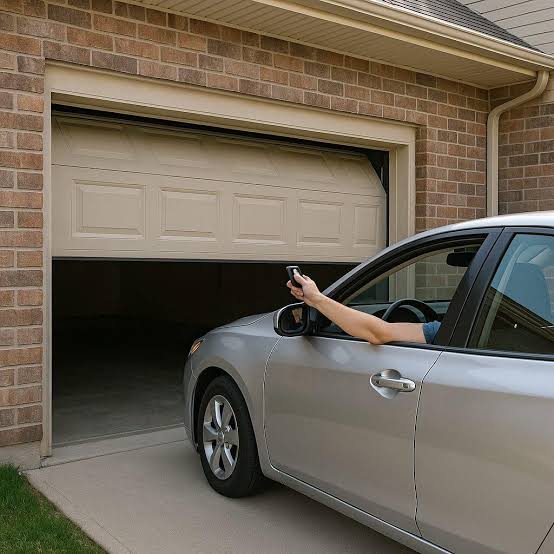
Have you ever stood in your driveway, fumbling for keys in the rain, wishing you could just press a button to open your garage? You are not alone. Millions of homeowners are upgrading to automated systems for convenience, security, and peace of mind. But before you make that purchase, you need to know the real numbers. So, how much does an automatic garage door opener cost? The answer varies based on horsepower, connectivity features, and installation complexity, but understanding the breakdown will help you budget accurately.
Understanding the Average Cost Breakdown
When planning your budget, it is essential to look beyond just the sticker price of the unit. The total cost typically includes the opener itself, professional installation labor, and any necessary hardware upgrades.
On average, homeowners in the United States spend between $300 and $1,500 for a complete automatic garage door opener system. This wide range exists because “automatic” can mean anything from a basic chain-drive motor to a high-end smart system with battery backup and video integration.
| Cost Component | Low-End Estimate | High-End Estimate |
|---|---|---|
| Opener Unit Only | $150 – $250 | $400 – $800+ |
| Professional Installation | $150 – $300 | $300 – $500+ |
| Additional Hardware | $20 – $50 | $100 – $200 |
| Total Project Cost | $320 – $600 | $800 – $1,500+ |
Note: Prices may vary based on your location and the current market rates in 2026.
What Factors Influence the Price of a Garage Door Opener?
Not all openers are created equal. Several key factors drive the price up or down. Understanding these will help you decide where to splurge and where to save.
1. Drive Type Mechanism
The mechanism that lifts the door is the biggest price determinant. There are three main types:
- Chain Drive: These are the most affordable and durable. However, they are noisy. If your garage is attached to your living space, this might not be the best choice. Cost: $150–$250.
- Belt Drive: These use a rubber belt instead of a metal chain. They are significantly quieter and smoother, making them ideal for homes with bedrooms above the garage. Cost: $250–$400.
- Screw Drive: These have fewer moving parts and require less maintenance. They perform well in extreme temperatures but can be louder than belt drives. Cost: $200–$350.
2. Horsepower (HP) Rating
The power of the motor matters, especially if you have a heavy wooden or insulated steel door.
- ½ HP: Suitable for standard single-car doors.
- ¾ HP: The sweet spot for most double-car doors and heavier materials.
- 1+ HP: Required for extra-heavy custom doors or frequent commercial use.
3. Smart Features and Connectivity
In 2026, smart home integration is no longer a luxury; it is an expectation. Openers with Wi-Fi capabilities allow you to control your garage via smartphone apps, receive alerts if the door is left open, and integrate with voice assistants like Alexa or Google Home. These features typically add $50–$150 to the base price.
DIY vs. Professional Installation: Which Is Cheaper?
One of the most common questions homeowners ask is whether they can save money by installing the opener themselves.
The DIY Route
If you are handy with tools, you can save on labor costs. Most modern openers come with detailed manuals and mounting hardware.
- Pros: Saves $150–$300 in labor.
- Cons: Risk of improper alignment, voided warranties, and safety hazards if springs are involved.
- Time Commitment: Expect to spend 4–6 hours if you are a beginner.
Professional Installation
Hiring a licensed technician ensures the job is done correctly and safely.
- Pros: Warranty protection, proper safety sensor calibration, and faster completion (usually 2–3 hours).
- Cons: Higher upfront cost.
For most homeowners, professional installation is recommended due to the high tension of garage door springs and the critical nature of safety reverse mechanisms.
Hidden Costs to Watch Out For
When asking how much does an automatic garage door opener cost, do not forget these potential hidden expenses:
- Old Opener Disposal: Some companies charge a fee ($20–$50) to haul away your old unit.
- Electrical Upgrades: If your garage lacks a nearby outlet, an electrician may need to install one, costing $100–$200.
- Remote Controls and Keypads: Basic kits include one remote. Extra remotes or wireless keypads for exterior entry can cost $30–$60 each.
- Battery Backup Units: Essential for areas prone to power outages. These add $100–$150 to the total.
Top Brands and Their Price Ranges
Brand reputation often correlates with reliability and customer support. Here is a quick comparison of leading brands in the US market:
- Chamberlain: Known for user-friendly smart features. Mid-range pricing ($200–$400).
- LiftMaster: The professional-grade sibling of Chamberlain. Offers robust durability. Higher end ($300–$600).
- Genie: Famous for their screw-drive technology. Reliable and moderately priced ($200–$350).
- Ryobi: A newer player offering budget-friendly, modular smart openers. Great for DIYers ($150–$250).
For more technical details on how these mechanisms work, you can refer to the general principles of garage door openers on Wikipedia.
Step-by-Step Guide to Budgeting for Your New Opener
Follow these steps to ensure you get the best value for your money:
- Measure Your Door: Determine the weight and size. Heavier doors need higher HP.
- Choose Your Drive Type: Prioritize quietness? Go Belt. Prioritize budget? Go Chain.
- Check Compatibility: Ensure the new opener works with your existing rail system if you plan to reuse it.
- Get Three Quotes: If hiring a pro, get quotes from local licensed technicians. Ask if disposal fees are included.
- Look for Rebates: Many energy-efficient models offer utility rebates. Check with your local provider.
FAQ Section
Q1: How long does an automatic garage door opener last?
A: Most high-quality openers last between 10 to 15 years. Regular maintenance, such as lubricating the chain or belt and testing safety sensors, can extend this lifespan.
Q2: Can I install a smart opener on an old garage door?
A: Yes, in most cases. As long as your door opens and closes smoothly manually, you can retrofit it with a new automatic opener. However, if the door is damaged or unbalanced, fix the door first.
Q3: Are expensive garage door openers worth it?
A: If you value quiet operation, smart home integration, and longer warranties, then yes. A premium belt-drive smart opener offers convenience and peace of mind that basic models cannot match.
Q4: Does insurance cover garage door opener replacement?
A: Typically, no. Homeowners insurance covers damage from perils like fire or storms, but not mechanical failure due to wear and tear. However, some home warranty plans may cover it.
Q5: What is the most secure type of garage door opener?
A: Look for openers with rolling code technology. This changes the access code every time you use the remote, preventing hackers from intercepting and replicating the signal.
Conclusion
So, how much does an automatic garage door opener cost? For a reliable, professionally installed system, expect to invest between $400 and $800. While you can find cheaper options, balancing quality, noise levels, and smart features ensures you get a system that serves you well for over a decade.
Upgrading your garage door opener is not just about convenience; it is about enhancing your home’s security and efficiency. Don’t let the initial cost deter you—consider it a long-term investment in your daily comfort.
Did you find this guide helpful? Share it with your friends on Facebook or Twitter who are also considering a garage upgrade! Let us know in the comments what type of opener you chose and why.
Leave a Reply