Introduction
There is nothing quite as startling as the loud bang of a garage door spring snapping, followed by the realization that your car is trapped inside. It is a common household emergency that leaves many homeowners feeling stuck and unsure of what to do next. If you are currently staring at a non-functional garage door, you are likely asking yourself: how much does a spring for a garage door cost?
The answer varies depending on the type of spring, your location, and whether you choose to handle the repair yourself or hire a professional. In this guide, we will break down the exact costs, explain the differences between spring types, and help you make the safest, most cost-effective decision for your home.
Understanding the Two Main Types of Garage Door Springs
Before diving into the price tags, it is crucial to identify which type of spring your garage door uses. The cost difference between these two systems is significant, both in parts and labor.
1. Torsion Springs
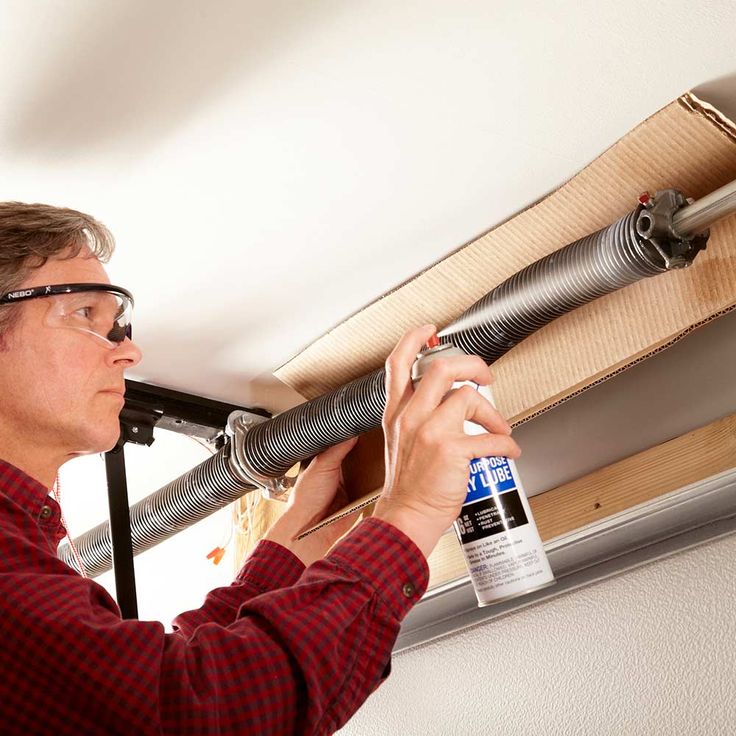
Torsion springs are mounted horizontally above the garage door opening on a metal shaft. They work by twisting (torque) to lift the heavy door. These are the modern standard for most residential homes built after the 1980s because they are safer, more durable, and provide smoother operation.
- Lifespan: Typically 15,000 to 20,000 cycles (one cycle = one open and close).
- Safety: High tension, but contained within a steel tube system.
2. Extension Springs
Extension springs are located on either side of the horizontal tracks, above the rollers. They stretch out to counterbalance the weight of the door. You will often find these on older homes or lighter single-car garage doors.
- Lifespan: Typically 10,000 cycles.
- Safety: Lower initial tension, but if they snap, they can fly across the garage, posing a safety hazard unless safety cables are installed.
Breakdown: How Much Does A Spring For A Garage Door Cost?
When calculating the total expense, you must consider both the parts and the labor. While the springs themselves are relatively inexpensive, the labor involved in replacing them is where the bulk of the cost lies due to the high risk and specialized tools required.
Average Cost Overview (2026 Estimates)
| Item | Low End | Average | High End |
|---|---|---|---|
| Single Torsion Spring (Part) | $40 | $60 – $80 | $120 |
| Pair of Torsion Springs (Parts) | $70 | $100 – $150 | $250 |
| Extension Spring (Part) | $15 | $25 – $40 | $60 |
| Professional Labor | $100 | $150 – $200 | $300+ |
| Total Professional Job | $150 | $250 – $400 | $550+ |
> Note: Prices vary by region. Urban areas like New York or San Francisco may see labor costs on the higher end.
Why Do Professionals Charge So Much for Labor?
You might wonder why labor costs $150–$300 when the part is only $50. The reason is danger and expertise. Garage door springs are under extreme tension. A torsion spring can store enough energy to cause severe injury or even death if handled incorrectly.
Professional technicians carry liability insurance, use specialized winding bars, and have the training to balance the door correctly after installation. When you pay for labor, you are paying for peace of mind and safety.
Factors That Influence the Final Price
Several variables can push your final bill up or down. Understanding these can help you budget accurately.
1. Single vs. Double Car Garage
A double-car garage door is significantly heavier than a single-car door. Consequently, it requires larger, stronger springs with a higher wire gauge. These custom-sized springs cost more than standard residential sizes.
2. Cycle Life Rating
Not all springs are created equal. Standard springs are rated for 10,000 cycles. However, you can upgrade to “high-cycle” springs rated for 25,000 or even 50,000 cycles.
- Standard (10k cycles): Cheaper upfront, but may need replacement in 5–7 years.
- High-Cycle (25k+ cycles): Costs 20–30% more, but can last 15+ years. This is often the best value for long-term homeowners.
3. Emergency Service Fees
If your spring breaks on a weekend, holiday, or late at night, expect to pay an emergency service fee. This can add $50 to $100 to your total bill. Scheduling during regular business hours (Monday–Friday, 8 AM–5 PM) is the best way to save money.
4. Additional Repairs
Often, when a spring breaks, it puts stress on other components. Technicians may recommend replacing worn-out cables, rollers, or hinges at the same time. While this increases the immediate cost, it prevents future breakdowns.
DIY vs. Hiring a Professional: Is It Worth the Risk?
This is the most critical decision you will face. Let’s look at the pros and cons.
Option A: DIY Replacement
Cost: $40 – $100 (Parts only)
Pros:
- Significant cost savings.
- Sense of accomplishment.
Cons:
- Extreme Danger: Incorrectly winding a torsion spring can result in the bar flying out like a projectile.
- Tool Requirement: You need specific winding bars (not screwdrivers!) and vice grips.
- Voided Warranty: Some garage door manufacturers void warranties if non-certified individuals perform repairs.
- Time Consuming: Without experience, it can take hours to balance the door correctly.
Option B: Hiring a Professional
Cost: $250 – $450 (Parts + Labor)
Pros:
- Safety: Trained technicians handle the high-tension risks.
- Speed: Most jobs are completed in under an hour.
- Warranty: Reputable companies offer a warranty on both parts and labor (usually 1–5 years).
- Inspection: They will spot other potential issues (like frayed cables) before they become emergencies.
Cons:
- Higher upfront cost.
Expert Verdict: Unless you have prior experience with mechanical tension systems, we strongly recommend hiring a professional. The risk of serious injury far outweighs the $150–$200 saved by doing it yourself. For more information on garage door safety standards, you can refer to guidelines from Wikipedia’s Garage Door Opener page which outlines general mechanical principles.
Step-by-Step: What to Expect During a Professional Repair
If you decide to hire a pro, here is how the process typically unfolds:
- Assessment: The technician arrives, inspects the broken spring, and checks the condition of cables, drums, and rollers.
- Quote: They provide a flat-rate quote including parts and labor. Always ask for this in writing before work begins.
- Securing the Door: The technician clamps the door to the track to prevent it from falling while the spring tension is released.
- Removal: The old, broken spring is carefully unwound and removed.
- Installation: The new spring is mounted, wound to the precise tension required for your door’s weight, and secured.
- Testing: The door is opened and closed multiple times to ensure smooth operation and proper balance. The door should stay in place when left halfway open.
FAQ Section
1. How long do garage door springs last?
On average, torsion springs last between 7 to 12 years, depending on usage. If you open and close your garage door 4 times a day, a 10,000-cycle spring will last roughly 7 years. Upgrading to high-cycle springs can extend this lifespan significantly.
2. Can I replace just one spring if I have a two-spring system?
It is highly recommended to replace both springs at the same time. If one spring has broken due to metal fatigue, the second spring is likely near the end of its life as well. Replacing only one will cause uneven lifting and put excessive strain on the new spring, leading to another premature failure.
3. Why is my garage door making a loud noise after spring replacement?
New springs can be noisy initially as they settle. However, persistent squeaking or grinding usually indicates a lack of lubrication. Apply a silicone-based lubricant or white lithium grease to the springs, hinges, and rollers. Avoid WD-40, as it attracts dust and dries out over time.
4. Is it safe to drive my car out if the spring is broken?
No. Do not attempt to manually lift a garage door with a broken spring. The door is extremely heavy (often 150–400 lbs) and lacks counterbalance. Trying to force it open can damage the tracks, bend the door panels, or cause the door to crash down, potentially injuring someone or damaging your vehicle.
5. How can I tell if my spring is broken?
Look for these signs:
- A loud bang from the garage.
- The door opens only a few inches and stops.
- A visible gap in the torsion spring coil.
- Cables hanging loose or detached from the bottom brackets.
Conclusion
So, how much does a spring for a garage door cost? For most homeowners, you should budget between $250 and $400 for a professional replacement of a standard torsion spring system. While DIY options exist for under $100, the safety risks and technical complexity make professional service the wise choice for the majority of people.
Remember, your garage door is the largest moving object in your home. Investing in quality high-cycle springs and professional installation ensures your family’s safety and saves you money in the long run by preventing frequent repairs.
Found this guide helpful? Share it with your neighbors on Facebook or Twitter to help them prepare for their next garage door emergency! Don’t forget to bookmark this page for future reference.
Leave a Reply