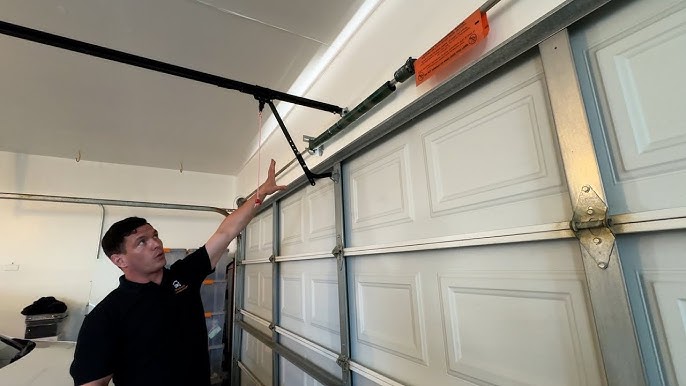
Is your garage door suddenly too heavy to lift, or did you hear a loud bang from the garage? You are likely dealing with a broken torsion spring, one of the most critical components of your garage door system. Understanding how much does a garage door torsion spring cost can help you budget effectively and avoid being overcharged by contractors. In this guide, we will break down the real costs, safety considerations, and whether you should tackle this repair yourself or call a professional.
Understanding the Cost Breakdown
When asking “how much does a garage door torsion spring cost,” it is essential to distinguish between the price of the part itself and the total cost of service. The total expense varies significantly based on whether you choose DIY replacement or hire a licensed technician.
Parts vs. Labor: Where Does the Money Go?
The raw cost of a torsion spring typically ranges from $30 to $100 per spring, depending on the size, wire gauge, and cycle life rating. However, most homeowners do not just pay for the metal coil; they pay for the expertise required to install it safely.
| Cost Component | Estimated Price Range (2026) | Notes |
|---|---|---|
| Single Torsion Spring | $30 – $60 | Standard residential size |
| Double Torsion Springs | $60 – $100 | For heavier doors |
| Professional Labor | $150 – $350 | Includes safety inspection |
| Total Professional Cost | $200 – $450 | Average nationwide price |
| DIY Total Cost | $30 – $100 | Risky without proper tools |
Note: Prices may vary based on your location and the specific weight of your garage door.
Why Do Prices Vary So Much?
Several factors influence the final bill. First, the cycle life of the spring matters. A standard spring might last 10,000 cycles, while a high-cycle spring can last up to 25,000 cycles but costs more upfront. Second, the size and weight of your door dictate the spring’s tension requirements. A double-car garage door with insulation will require heavier, more expensive springs than a single-car wooden door.
Factors Influencing Garage Door Spring Prices
To get an accurate quote, you need to understand what drives the price up or down. Ignoring these factors can lead to buying the wrong part or paying for unnecessary upgrades.
1. Spring Type and Material
Most modern garage doors use torsion springs mounted above the door, but some older systems use extension springs on the sides. Torsion springs are generally more durable and safer but can be pricier to replace due to the complexity of installation. Galvanized steel is standard, but coated springs offer better corrosion resistance in humid climates, adding slightly to the cost.
2. Number of Springs
Many residential doors use a dual-spring system. If one breaks, it is often recommended to replace both, even if the second one is still intact. This is because the remaining spring has already undergone significant wear and tear. Replacing both ensures balanced operation and prevents another breakdown in the near future.
3. Geographic Location
Labor costs differ widely across the United States. Homeowners in major metropolitan areas like New York or San Francisco will pay significantly more for labor than those in rural Midwest regions. Always check local rates before committing to a service provider.
DIY Replacement vs. Hiring a Professional
This is the most critical decision you will make. While DIY seems cheaper, it comes with severe risks.
The Dangers of DIY Torsion Spring Replacement
Torsion springs are under extreme tension—enough to lift hundreds of pounds. If handled incorrectly, they can release energy explosively, causing serious injury or death. According to safety guidelines, only individuals with specific training and the right tools (such as winding bars) should attempt this repair.
Safety Warning: Never use screwdrivers or makeshift tools to wind a torsion spring. The torque required can slip, turning the tool into a dangerous projectile.
When to Call a Pro
You should hire a professional if:
- You have never worked with high-tension springs before.
- Your door uses a complex dual-spring system.
- You lack the proper winding bars and safety gear.
- The door is off-track or has other mechanical issues.
For more detailed safety standards on garage door systems, you can refer to general industry guidelines available on Wikipedia.
Step-by-Step Guide to Estimating Your Cost
If you are leaning toward hiring a pro, here is how to get the best price without compromising quality.
- Identify Your Spring Specs: Look at the existing spring for markings indicating wire size, inside diameter, and length. Take a photo.
- Get Three Quotes: Contact at least three local garage door companies. Ask for a breakdown of parts vs. labor.
- Ask About Warranty: A reputable company will offer a warranty on both parts and labor. Typical warranties range from 1 to 5 years.
- Check Reviews: Use platforms like Yelp or Google Reviews to verify the contractor’s reliability. Look for comments about punctuality and transparency in pricing.
Frequently Asked Questions (FAQ)
Q1: How long do garage door torsion springs last?
A: On average, torsion springs last between 7 to 9 years with regular use. This equates to roughly 10,000 open-and-close cycles. High-cycle springs can last up to 15–20 years.
Q2: Can I replace just one torsion spring?
A: Technically, yes, but it is not recommended. Since both springs were installed at the same time, the second one is likely near the end of its life. Replacing both saves you from paying for another service call soon.
Q3: Is it safe to operate a garage door with a broken spring?
A: No. A broken spring puts immense strain on the garage door opener and cables. Attempting to open the door can cause the cables to snap or the opener to burn out, leading to more expensive repairs.
Q4: How much does it cost to replace extension springs instead?
A: Extension springs are generally cheaper, costing between $150 and $250 total for professional replacement. However, they are less common in modern installations due to safety concerns.
Q5: What signs indicate my torsion spring is about to break?
A: Look for gaps in the spring coils, rust, or a loud squeaking noise during operation. If the door feels heavier than usual or doesn’t stay open when lifted halfway, the spring is losing tension.
Conclusion
Knowing how much does a garage door torsion spring cost empowers you to make informed decisions. While the parts themselves are relatively affordable ($30–$100), the total cost including professional labor typically ranges from $200 to $450. Given the high risk associated with torsion spring tension, hiring a certified professional is often the safest and most cost-effective choice in the long run.
Don’t let a broken spring disrupt your daily routine. Share this guide with friends or family who might be facing similar garage door issues, and always prioritize safety over savings when dealing with high-tension mechanisms.
Leave a Reply