Replacing a broken garage door spring is one of the most urgent home repairs you can face. Without functional springs, your heavy door becomes immovable, trapping your car inside or leaving your home vulnerable. If you are wondering how much do garage door springs cost to replace, you are likely looking for a quick, transparent answer to budget for this unexpected expense.
The short answer is that most homeowners pay between $150 and $350 for professional replacement, including parts and labor. However, the final price depends heavily on the type of spring, your location, and whether you choose to tackle the job yourself or hire a certified technician. In this guide, we will break down every cost factor so you can make an informed decision without overpaying.
Understanding the Two Main Types of Garage Door Springs
Before discussing prices, it is crucial to identify which type of spring your garage door uses. The mechanism dictates both the complexity of the repair and the final bill.
Torsion Springs
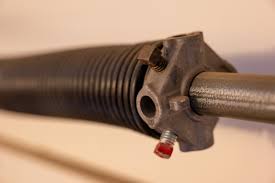
Torsion springs are mounted horizontally above the closed garage door on a metal shaft. They are widely considered the modern standard for residential homes because they offer smoother operation and last longer.
- Lifespan: Typically 15,000 to 20,000 cycles (one cycle = one open and close).
- Safety: Safer than extension springs but store immense tension.
- Cost Factor: Generally more expensive due to higher material quality and installation complexity.
Extension Springs
Extension springs run parallel to the horizontal tracks on both sides of the door. They stretch and contract to lift the door. These are common in older homes or lighter doors.
- Lifespan: Typically 10,000 cycles.
- Safety: Higher risk; if they snap, they can fly across the garage. Safety cables are mandatory.
- Cost Factor: Cheaper parts, but often require replacing in pairs.
| Feature | Torsion Springs | Extension Springs |
|---|---|---|
| Location | Above door header | Alongside horizontal tracks |
| Average Part Cost | $40 – $100 per spring | $20 – $50 per spring |
| Installation Difficulty | High (Dangerous) | Medium (Requires caution) |
| Durability | High | Moderate |
Breakdown: How Much Do Garage Door Springs Cost To Replace?
When calculating the total expense, you must look beyond just the price of the metal coil. The total cost comprises three main components: parts, labor, and additional fees.
1. Parts Cost
The springs themselves are relatively affordable. A single high-quality torsion spring might cost between $40 and $100. Extension springs are cheaper, ranging from $20 to $50. However, experts almost always recommend replacing springs in pairs. If one breaks, the other is likely near the end of its life cycle. Replacing only one creates an imbalance that strains the opener and the remaining spring.
2. Labor Costs
This is where the bulk of your money goes. Professional technicians charge for their expertise, insurance, and the significant risk involved in handling high-tension springs.
- Hourly Rate: Most companies charge a flat service fee rather than an hourly rate for this specific job. Expect to pay $100 to $200 in labor.
- Complexity: Torsion spring replacement requires winding the spring to precise tension using specialized bars. This is not a task for general handymen.
3. Additional Fees
Be aware of potential add-ons that can inflate your bill:
- Emergency/After-Hours Fee: If your door breaks on a weekend or holiday, expect a surcharge of $50 to $100.
- Travel Fee: Some rural areas may incur a trip charge.
- Disposal Fee: A small fee ($10–$20) for removing old, hazardous springs.
DIY vs. Professional Replacement: Is It Worth the Risk?
Many homeowners ask if they can save money by doing it themselves. While a DIY approach might save you $150–$200 in labor, it comes with severe risks.
The Dangers of DIY Spring Replacement
Garage door springs are under extreme tension—enough to lift hundreds of pounds. If a winding bar slips during torsion spring adjustment, it can become a projectile capable of causing serious injury or death. According to safety data, garage door injuries are among the most common home improvement accidents.
For a deeper understanding of mechanical safety standards, you can refer to general safety guidelines provided by Wikipedia.
When to Call a Pro
You should definitely hire a professional if:
- You have torsion springs.
- You lack specialized winding bars and clamps.
- You are unsure about the correct wire size and length.
- Your door is unusually heavy (wood or double-car insulated).
When DIY Might Be Feasible
If you have extension springs and are mechanically inclined, you might manage the replacement if you strictly follow safety protocols. Always wear safety goggles and ensure the door is securely clamped in the open position before starting. Never attempt to remove or install extension springs without safety containment cables installed.
Factors That Influence Final Pricing
Not all quotes are created equal. Several variables will determine whether you pay $150 or $450.
1. Spring Cycle Rating
Springs come with different cycle ratings. A “standard” 10,000-cycle spring is cheaper than a “high-cycle” 25,000-cycle spring. Investing in higher-cycle springs costs more upfront but saves money long-term by reducing replacement frequency.
2. Door Weight and Size
A single-car steel door requires less robust springs than a double-car wooden door. Heavier doors need thicker gauge wires and larger diameter springs, which cost more.
3. Geographic Location
Labor rates vary significantly by region. Homeowners in major metropolitan areas like New York or San Francisco will pay premium rates compared to those in rural Midwest towns.
4. Brand and Warranty
Premium brands like Raynor or Overhead Door may charge more for parts but offer better warranties. A professional installation usually includes a warranty on both parts and labor (typically 1–2 years), which adds value to the higher upfront cost.
Step-by-Step: What to Expect During Professional Service
If you decide to hire a pro, knowing the process helps you verify they are doing the job correctly.
- Inspection: The technician will inspect the cables, rollers, and hinges for wear. Broken springs often damage other components.
- Securing the Door: They will clamp the door to the tracks to prevent it from falling.
- Releasing Tension: For torsion springs, they will use winding bars to safely release the stored energy. Never skip this step.
- Removal: The old springs are unhooked and removed.
- Installation: New springs are placed on the shaft. They must match the exact length, wire size, and inside diameter of the originals.
- Winding: The technician winds the springs to the correct number of turns based on the door’s weight. This is the most critical step for balance.
- Testing: The door is tested manually to ensure it stays in place when halfway open. If it slides down or up, the tension is incorrect.
Frequently Asked Questions (FAQ)
How long do garage door springs last?
On average, torsion springs last between 7 to 9 years with normal use (about 1,500 cycles per year). Extension springs typically last 5 to 7 years. Extreme temperatures and humidity can shorten this lifespan.
Can I replace just one garage door spring?
Technically yes, but it is strongly discouraged. Since both springs undergo the same amount of stress, the second one is likely to fail soon after. Replacing both ensures balanced lifting and prevents premature wear on your garage door opener.
Why is my garage door making a loud bang?
A loud bang usually indicates a spring has snapped. Torsion springs make a sharp gunshot-like sound, while extension springs may sound like a whip crack. Stop using the door immediately and call a professional.
Does homeowners insurance cover broken garage door springs?
Generally, no. Insurance covers sudden, accidental damage from events like storms or vandalism. Broken springs are considered “wear and tear” or maintenance issues, which are the homeowner’s responsibility.
How can I extend the life of my garage door springs?
Regular lubrication with a silicone-based spray can reduce friction. Additionally, keeping the tracks clean and ensuring the door is balanced reduces unnecessary strain on the springs. Avoid slamming the door shut manually.
Conclusion
Knowing how much do garage door springs cost to replace empowers you to budget effectively and avoid scams. While the parts themselves are inexpensive, the labor and safety risks associated with high-tension systems justify the professional service fee of $150–$350.
Remember, your garage door is the largest moving object in your home. Cutting corners on spring replacement can lead to costly damage to your opener or, worse, personal injury. Invest in quality high-cycle springs and certified installation to ensure peace of mind for years to come.
Found this guide helpful? Share it with your neighbors on Facebook or Twitter to help them prepare for unexpected home repairs!
Leave a Reply