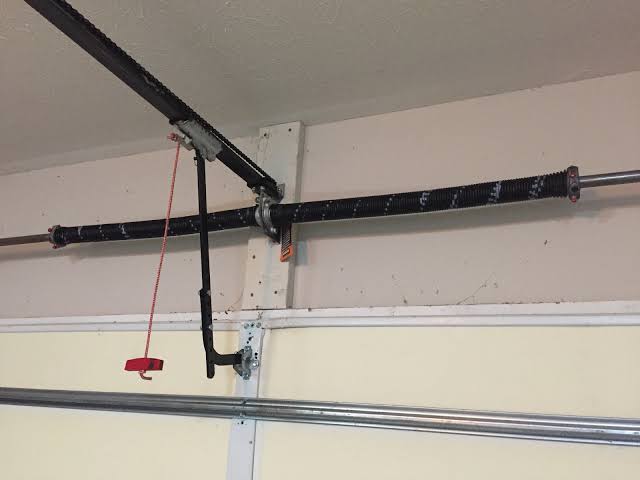
Have you ever woken up to the loud bang of a broken garage door spring, leaving your car trapped inside? It is a frustrating and potentially dangerous situation that many homeowners face unexpectedly. If you are wondering how much do garage door springs cost to repair, you are not alone; understanding the pricing breakdown can help you make a smart, safe decision for your home.
Understanding the Basics: Why Do Springs Break?
Before diving into the costs, it is essential to understand what you are paying for. Garage door springs are under immense tension, lifting hundreds of pounds every time you open your door. They are designed to last for a specific number of cycles (one open and one close equals one cycle).
Most standard springs are rated for 10,000 to 20,000 cycles. For an average family using the door twice a day, this translates to roughly 7–10 years of service. However, extreme temperatures, lack of maintenance, and poor installation can significantly shorten this lifespan. When a spring breaks, it is not just an inconvenience; it is a safety hazard. The door becomes extremely heavy, and attempting to force it open can damage the opener or cause injury.
Average Cost Breakdown: What Should You Expect to Pay?
The cost to repair or replace garage door springs varies based on several factors, including your location, the type of spring, and whether you hire a professional or attempt a DIY fix. Generally, homeowners can expect to pay between $150 and $350 for a professional replacement of a single spring. If both springs need replacement, the cost typically ranges from $250 to $500.
Factors Influencing the Price
- Type of Spring: Torsion springs are generally more expensive than extension springs due to their complexity and higher lifting capacity.
- Labor Costs: Professional technicians charge for their expertise and the risk involved. Labor usually accounts for 50–60% of the total bill.
- Spring Quality: Higher-cycle springs (rated for 25,000+ cycles) cost more upfront but last longer, offering better long-term value.
- Geographic Location: Prices in urban areas with a higher cost of living tend to be 10–20% higher than in rural regions.
| Item | Low-End Cost | High-End Cost |
|---|---|---|
| Single Extension Spring | $80 – $120 | $150 – $200 |
| Single Torsion Spring | $150 – $200 | $250 – $350 |
| Pair of Torsion Springs | $250 – $350 | $450 – $600 |
| Labor Only | $50 – $100 | $150 – $200 |
Note: Prices are estimates for 2026 and may vary by provider.
Torsion Springs vs. Extension Springs: Which Is More Expensive?
Understanding the difference between these two types is crucial for budgeting. Most modern homes use torsion springs, while older homes or lighter doors may use extension springs.
Torsion Springs
Located above the garage door opening, torsion springs work by twisting (torque) to lift the door. They are safer, more durable, and provide smoother operation. Because they require specialized tools and knowledge to install safely, torsion spring replacement is typically more expensive. However, they are the industry standard for a reason: they last longer and are less likely to cause catastrophic failure if maintained properly.
Extension Springs
These springs run parallel to the horizontal tracks on either side of the door. They stretch to lift the door. While the parts themselves are cheaper, extension springs are considered less safe because they can snap violently if they break. Many professionals recommend upgrading to torsion springs if your home currently uses extensions, which will increase the initial repair cost but improve safety and longevity.
For a deeper technical understanding of spring mechanics, you can refer to Wikipedia’s entry on garage door openers, which provides historical context and mechanical details.
DIY vs. Professional Repair: Is It Worth the Risk?
One of the most common questions homeowners ask is whether they can save money by doing it themselves. While a DIY approach might seem appealing, garage door springs are one of the most dangerous components in a home.
The Risks of DIY
Garage door springs are under extreme tension—often exceeding 200 pounds of force. If a winding bar slips or a clamp fails during installation, the spring can release energy explosively, causing severe injury or even death. According to the Consumer Product Safety Commission (CPSC), thousands of injuries related to garage doors occur annually, with spring-related accidents being among the most severe.
Cost Comparison
- DIY Cost: $50–$100 for parts only.
- Professional Cost: $150–$350 for parts and labor.
While you might save $100–$200 by doing it yourself, you are risking your safety and potentially voiding your homeowner’s insurance if an accident occurs. Most experts strongly advise against DIY spring replacement unless you have specific training and the proper tools, such as winding bars and vice grips.
Signs Your Garage Door Springs Need Replacement
Knowing when to call a professional can prevent further damage to your garage door system. Look out for these warning signs:
- Loud Bang: A sudden loud noise from the garage is often the sound of a spring breaking.
- Door Won’t Open: If the opener runs but the door doesn’t move, the spring is likely broken.
- Gap in the Spring: Inspect the torsion spring above the door. A visible gap in the coils indicates a break.
- Uneven Movement: If the door jerks or moves unevenly, one spring may be weaker than the other.
- Cables Are Loose: Broken springs often cause the lifting cables to become slack or detach from the bottom brackets.
If you notice any of these signs, stop using the door immediately and contact a licensed technician.
How to Choose a Reliable Garage Door Repair Service
Not all repair services are created equal. To ensure you get fair pricing and quality work, follow these steps:
- Check Licensing and Insurance: Ensure the company is licensed in your state and carries liability insurance.
- Read Reviews: Look for recent reviews on Google, Yelp, or Angie’s List. Pay attention to comments about pricing transparency and punctuality.
- Get Multiple Quotes: Contact at least three local companies to compare prices. Be wary of quotes that are significantly lower than the average, as they may indicate subpar parts or hidden fees.
- Ask About Warranty: Reputable companies offer warranties on both parts and labor. A standard warranty is 1–2 years for parts and 30–90 days for labor.
- Inquire About Spring Cycle Life: Ask what cycle rating the replacement springs have. Opt for high-cycle springs (25,000+) for better long-term value.
FAQ Section
1. Can I repair a broken garage door spring instead of replacing it?
No, garage door springs cannot be repaired. Once a spring breaks, it loses its temper and structural integrity. Attempting to weld or fix a broken spring is extremely dangerous and ineffective. Replacement is the only safe option.
2. How long do garage door springs last?
Standard garage door springs last between 7 and 10 years, or approximately 10,000 to 20,000 cycles. High-cycle springs can last up to 15 years or more. Regular lubrication and maintenance can help extend their lifespan.
3. Is it safe to use my garage door if one spring is broken?
No, it is not safe. A broken spring puts excessive strain on the garage door opener and the remaining spring (if applicable). This can lead to further damage, such as bent tracks or a failed opener motor. Additionally, the door may fall unexpectedly, posing a serious safety risk.
4. Why is garage door spring repair so expensive?
The cost reflects the high level of risk and specialization required. Technicians undergo extensive training to handle high-tension springs safely. The price also includes high-quality parts, insurance, and the convenience of professional service. Given the potential for severe injury, the cost is a reflection of the expertise and safety measures involved.
5. Should I replace both springs if only one is broken?
Yes, it is highly recommended. If one spring has broken due to age or wear, the other is likely near the end of its life as well. Replacing both ensures balanced lifting and prevents another costly service call in the near future. Most professionals will insist on replacing both to guarantee safety and performance.
6. Does homeowners insurance cover broken garage door springs?
Typically, no. Homeowners insurance considers broken springs a result of normal wear and tear, which is not covered. However, if the spring broke due to a covered peril, such as a storm or vandalism, it might be covered. Check with your insurance provider for specific details regarding your policy.
Conclusion
Repairing a broken garage door spring is an urgent matter that requires careful consideration of cost, safety, and quality. While the question “how much do garage door springs cost to repair” has a variable answer, expecting to pay between $150 and $350 for professional service is a realistic benchmark for 2026.
Remember, the cheapest option is not always the best when it comes to high-tension components. Prioritize safety by hiring a licensed professional, opting for high-cycle springs, and ensuring both springs are replaced if necessary. By taking these steps, you protect your home, your vehicle, and most importantly, your family.
If you found this guide helpful, please share it with your neighbors or on social media to help others navigate this common home repair challenge safely!
Leave a Reply