Hearing a loud bang from your garage can be terrifying. One moment your door works perfectly; the next, it’s stuck halfway, leaving your car trapped inside. If you’re asking how much to fix a broken spring on garage door, you’re not alone—this is one of the most common household emergencies in the US. The good news? With the right information, you can avoid overpaying and ensure the job is done safely.
Understanding the Cost: What Influences the Price?
Before calling a technician, it helps to understand why prices vary. Repair costs aren’t random; they depend on several key factors that affect both parts and labor.
Type of Spring Matters
Garage doors use two main types of springs, and each has different price points:
| Spring Type | Average Cost (Parts + Labor) | Lifespan | Difficulty Level |
|---|---|---|---|
| Torsion Spring | $200–$400 | 15,000–20,000 cycles | High (Professional recommended) |
| Extension Spring | $150–$300 | 10,000–15,000 cycles | Medium |
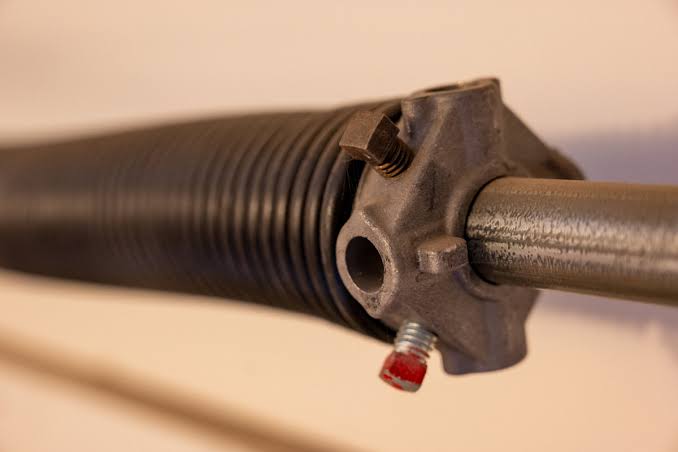
Torsion springs are mounted above the door and are more durable but require specialized tools to replace. Extension springs run along the sides of the door tracks and are generally cheaper but may need replacement in pairs.
Number of Springs
Most modern garage doors use two springs for balanced lifting. If one breaks, experts often recommend replacing both, even if the second looks fine. Why? Because if one spring failed due to wear, the other is likely near the end of its life too. Replacing both prevents another breakdown in a few months.
Geographic Location
Labor rates vary significantly across the US. Homeowners in major metropolitan areas like New York or San Francisco typically pay 20–30% more than those in rural areas. Emergency or after-hours service can add $50–$100 to the total bill.
Door Weight and Size
Heavier doors (double-car garages, insulated doors, or custom wood doors) require stronger, more expensive springs. A standard single-car steel door uses lighter-duty springs that cost less.
Is It Safe to DIY a Broken Garage Door Spring?
This is the most critical question. Garage door springs are under extreme tension—enough to cause serious injury or death if handled incorrectly. According to the Consumer Product Safety Commission, garage door accidents send thousands of people to emergency rooms each year.
Why Professionals Are Recommended
- Specialized Tools: Proper winding bars, clamps, and safety gear are essential.
- Experience: Technicians know how to release tension safely.
- Warranty: Most professional repairs come with a 1–5 year warranty on parts and labor.
If You Still Consider DIY
Only attempt this if you have:
- Prior experience with garage door mechanisms
- The correct tools (winding bars, vice grips, ladder)
- A helper present for safety
- Read the manufacturer’s manual thoroughly
Never use screwdrivers or makeshift tools as substitutes for proper winding bars. The risk isn’t worth the savings.
Step-by-Step: What Happens During a Professional Repair?
Understanding the process helps you know what to expect and ensures the technician does the job correctly.
- Inspection: The technician examines the broken spring, checks cables, rollers, and hinges for wear.
- Safety Setup: They secure the door in place using clamps to prevent accidental movement.
- Tension Release: Using winding bars, they carefully release the remaining tension from the broken spring.
- Removal: The old spring is removed, and new springs are installed.
- Winding: New torsion springs are wound to the correct number of turns based on door weight.
- Testing: The door is opened and closed several times to ensure smooth operation and balance.
- Lubrication: All moving parts are lubricated to extend lifespan.
The entire process typically takes 30–60 minutes for an experienced technician.
Signs Your Garage Door Spring Is About to Break
Prevention is cheaper than emergency repairs. Watch for these warning signs:
- Visible gaps in the torsion spring coils
- Rust or corrosion on the spring surface
- Loud squeaking or grinding noises during operation
- Door feels heavier than usual when opening manually
- Uneven movement where one side lifts faster than the other
If you notice any of these, schedule an inspection before complete failure occurs.
Cost Comparison: Repair vs. Replacement
Sometimes, repairing a single component isn’t the best long-term solution. Here’s when to consider full system upgrades:
| Scenario | Recommended Action | Estimated Cost |
|---|---|---|
| Single spring break, door <5 years old | Replace both springs | $250–$400 |
| Multiple components worn (cables, rollers) | Full tune-up + spring replacement | $400–$600 |
| Door >15 years old, frequent issues | New door installation | $800–$2,500+ |
Investing in a newer, more efficient door may save money if your current system requires constant repairs.
How to Choose a Reliable Garage Door Technician
Not all service providers are equal. Follow these tips to find a trustworthy professional:
- Check licenses and insurance: Ensure they’re bonded and insured for liability.
- Read reviews: Look for recent Google and Yelp reviews mentioning spring repairs specifically.
- Ask about warranties: Reputable companies offer at least a 1-year warranty on parts.
- Get multiple quotes: Compare 2–3 estimates to avoid overcharging.
- Avoid upfront payments: Legitimate technicians charge after completing the work.
FAQ Section
How long do garage door springs last?
Most torsion springs last 15,000–20,000 cycles (one cycle = one open and close). For average use, this translates to 7–12 years. Extension springs typically last 10,000–15,000 cycles.
Can I drive my car out if the spring is broken?
No. A broken spring makes the door extremely heavy and dangerous to operate manually. Forcing it can damage the opener, tracks, or cause injury. Call a professional immediately.
Does homeowners insurance cover broken garage door springs?
Generally, no. Insurance covers sudden accidental damage (like a car hitting the door), but spring failure is considered normal wear and tear. However, check your policy for specific exclusions.
How often should I maintain my garage door?
Experts recommend annual inspections and lubrication every 6 months. Regular maintenance can extend spring life by 2–3 years and prevent unexpected failures.
What’s the difference between standard and high-cycle springs?
High-cycle springs are rated for 25,000+ cycles and cost 20–30% more. They’re ideal for households that use the garage door frequently (5+ times daily). Standard springs are sufficient for average use.
Can a broken spring damage my garage door opener?
Yes. When a spring breaks, the opener must lift the full weight of the door, which can burn out the motor or strip gears. Always disconnect the opener until the spring is repaired.
Final Thoughts
Knowing how much to fix a broken spring on garage door empowers you to make smart decisions. While costs range from $150–$400 depending on your situation, prioritizing safety and quality workmanship pays off in the long run. Don’t gamble with DIY repairs unless you’re fully equipped and experienced.
Regular maintenance, early detection of wear, and choosing reputable professionals will keep your garage door running smoothly for years. Share this guide with friends and family—it might save them from a costly emergency!
Have questions about your garage door? Drop a comment below or share this article on social media to help others avoid unexpected repair bills.
Leave a Reply