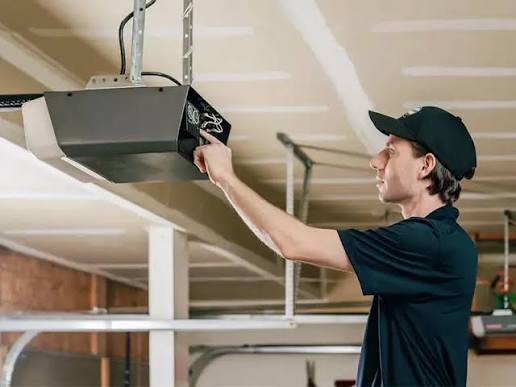
Replacing your garage door opener might seem daunting, but it’s one of the most impactful home improvements you can make. Whether your current opener is making strange noises, failing to respond consistently, or simply outdated, knowing how do you get a new garage door opener is essential for maintaining security, convenience, and peace of mind. This comprehensive guide will walk you through every step of the process, from selecting the right model to professional installation options.
Understanding When It’s Time for a Replacement
Before diving into purchasing decisions, let’s address why you might need a new garage door opener in the first place. Most garage door openers have a lifespan of 10-15 years, according to industry standards. If yours is approaching or exceeding this age range, proactive replacement prevents unexpected failures.
Common signs indicating replacement necessity include:
- Unusual grinding or screeching sounds during operation
- Inconsistent opening and closing cycles
- Remote controls requiring multiple attempts to work
- Visible wear on chains, belts, or screws
- Lack of modern safety features like automatic reversal sensors
The International Door Association provides comprehensive resources on garage door maintenance and replacement timing, offering valuable insights for homeowners considering upgrades.
Types of Garage Door Openers: Which One Fits Your Needs?
Understanding the different types available helps you make an informed decision. Here’s a detailed comparison:
Chain Drive Openers
Pros:
- Most affordable option ($150-$250)
- Durable and reliable mechanism
- Widely available replacement parts
Cons:
- Noisier operation (70-80 decibels)
- Requires regular lubrication
- Less suitable for bedrooms above garage
Belt Drive Openers
Pros:
- Quietest operation (50-60 decibels)
- Smooth performance
- Minimal maintenance required
Cons:
- Higher price point ($250-$400)
- Belt may stretch over time
- Limited availability in some regions
Screw Drive Openers
Pros:
- Moderate noise levels
- Fewer moving parts mean less maintenance
- Good performance in extreme temperatures
Cons:
- Not ideal for very cold climates
- Mid-range pricing ($200-$350)
- Slower operation speed
Direct Drive Openers
Pros:
- Extremely quiet operation
- Compact design
- Modern technology integration
Cons:
- Premium pricing ($350-$600)
- Limited brand options
- Specialized repair requirements
Key Features to Consider Before Buying
When learning how do you get a new garage door opener, understanding essential features prevents buyer’s remorse. Here are critical specifications to evaluate:
Horsepower Requirements
- ½ HP: Suitable for single-car garages with lightweight doors
- ¾ HP: Ideal for standard two-car garages
- 1+ HP: Necessary for heavy wooden doors or oversized openings
Smart Home Integration
Modern openers offer WiFi connectivity, allowing smartphone control through dedicated apps. This feature enables remote monitoring, scheduling, and integration with voice assistants like Amazon Alexa or Google Home.
Safety Features
Look for models with:
- Photo-eye sensors preventing closure on obstacles
- Automatic reversal mechanisms
- Manual release handles for power outages
- Rolling code technology preventing code theft
Warranty Coverage
Quality manufacturers offer:
- Motor warranty: 5-10 years
- Parts warranty: 1-5 years
- Labor warranty: Varies by installer
Step-by-Step Process: How Do You Get A New Garage Door Opener
Step 1: Measure Your Existing System
Before shopping, document your current setup:
- Door weight (check manufacturer specifications)
- Door height and width
- Ceiling clearance (minimum 10 inches recommended)
- Existing rail type and length
Step 2: Set Your Budget
Establish a realistic budget including:
- Unit cost: $150-$600 depending on type
- Professional installation: $150-$300
- Additional accessories: $50-$150
- Disposal fees for old unit: $25-$50
Step 3: Research Brands and Models
Top-rated manufacturers in 2026 include:
- LiftMaster: Industry leader with extensive dealer network
- Chamberlain: Consumer-friendly options with strong warranties
- Genie: Reliable mid-range choices
- Craftsman: Affordable entry-level models
Step 4: Choose Purchase Channel
You have several options:
- Home improvement stores: Immediate availability, expert advice
- Online retailers: Wider selection, competitive pricing
- Professional dealers: Installation packages, personalized service
- Manufacturer direct: Latest models, promotional offers
Step 5: Decide on Installation Method
DIY Installation Considerations:
- Required tools: Socket set, ladder, drill, level
- Time commitment: 4-6 hours for experienced DIYers
- Skill level: Intermediate mechanical aptitude
- Risk factors: Heavy components, electrical connections
Professional Installation Benefits:
- Expertise ensuring proper alignment
- Warranty protection on labor
- Proper disposal of old equipment
- Safety compliance verification
- Typical cost: $150-$300
Step 6: Schedule Installation or Begin DIY
If hiring professionals:
- Book 1-2 weeks in advance
- Confirm insurance coverage
- Request written estimate
- Verify technician certifications
For DIY installation:
- Read manual thoroughly before starting
- Gather all necessary tools
- Enlist helper for heavy lifting
- Follow safety protocols strictly
Cost Breakdown and Value Analysis
Understanding total investment helps justify your decision:
| Component | Budget Range | Premium Range |
|---|---|---|
| Basic chain drive | $150-$200 | N/A |
| Mid-range belt drive | $250-$350 | $400-$500 |
| High-end smart opener | N/A | $500-$700 |
| Professional installation | $150-$200 | $250-$350 |
| Additional remotes/keypads | $30-$50 | $60-$100 |
| Total Investment | $330-$600 | $610-$1,150 |
Consider long-term value: quality openers reduce maintenance costs, improve energy efficiency through better sealing, and increase home resale value.
Common Mistakes to Avoid
Many homeowners encounter problems when learning how do you get a new garage door opener. Avoid these pitfalls:
- Ignoring door balance: Test your door manually before installation; imbalanced doors damage new openers
- Choosing wrong horsepower: Undersized motors strain and fail prematurely
- Skipping safety sensor installation: Legal requirement in most jurisdictions
- Neglecting maintenance schedule: Regular lubrication extends lifespan significantly
- Buying incompatible accessories: Verify remote compatibility before purchase
Maintenance Tips for Longevity
Maximize your investment with proper care:
- Monthly checks: Test auto-reverse function, inspect cables
- Quarterly lubrication: Apply garage door-specific lubricant to moving parts
- Annual professional inspection: Identify wear before failure
- Battery replacement: Change remote batteries annually
- Keep tracks clean: Remove debris preventing smooth operation
Frequently Asked Questions
How long does it take to install a new garage door opener?
Professional installation typically takes 2-4 hours, while DIY installation requires 4-6 hours for those with moderate mechanical experience. Complex setups or older homes may require additional time for adjustments.
Can I install a garage door opener myself?
Yes, if you possess intermediate DIY skills, proper tools, and comfort working with electrical components. However, professional installation ensures warranty validity, proper safety feature configuration, and correct door balance adjustment.
What’s the average cost of a new garage door opener with installation?
Expect to pay between $330-$600 for basic to mid-range models with professional installation. Premium smart openers with advanced features range from $610-$1,150 installed.
Do I need to replace the entire system or just the motor?
In most cases, replacing the entire unit proves more cost-effective than motor-only replacement. Older rails, sensors, and remotes may be incompatible with new motors, and complete systems come with full warranties.
Are smart garage door openers worth the extra cost?
Smart openers provide significant convenience through remote monitoring, integration with home automation systems, and enhanced security features. For tech-savvy homeowners or those frequently away from home, the $100-$200 premium offers substantial value.
How do I dispose of my old garage door opener?
Many home improvement stores offer recycling programs for old openers. Alternatively, contact your local waste management facility for electronic waste disposal guidelines. Some installers include removal in their service package.
Conclusion
Learning how do you get a new garage door opener doesn’t have to overwhelm you. By understanding your options, setting realistic budgets, and choosing appropriate installation methods, you’ll enjoy reliable, convenient garage access for years to come. Remember that quality matters—investing in reputable brands with strong warranties protects your home and family.
Whether you opt for professional installation or tackle the project yourself, following this guide ensures successful outcomes. Share this article with friends and family facing similar decisions, and join online homeowner communities to exchange experiences and recommendations. Your perfect garage door opener awaits!
Leave a Reply