Introduction
There is nothing quite as frustrating as standing in your driveway, watching your garage door crawl open at a snail’s pace while you are late for work or eager to get inside. If you have found yourself asking, “How do I speed up my Chamberlain garage door opener?“ you are certainly not alone; many homeowners experience this slowdown due to factory safety presets, aging components, or simple maintenance needs. While safety should always be your top priority, understanding the specific capabilities of your unit and performing the right adjustments can help you achieve the fastest safe operation possible without compromising the longevity of your system.
Can You Actually Adjust the Speed on a Chamberlain Opener?
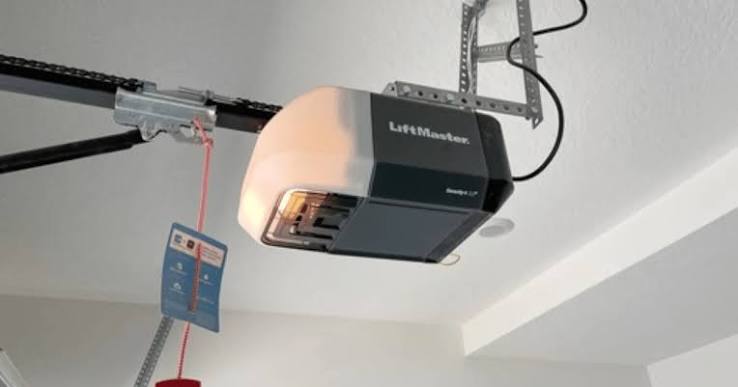
Before diving into tutorials, it is vital to manage expectations based on your specific hardware. Not all Chamberlain (and sister-brand LiftMaster) openers allow user-adjustable speed settings. Understanding this distinction saves time and prevents accidental damage.
AC Motor vs. DC Motor Differences
- AC Motor Openers (Older Models): Most traditional chain-drive AC units operate at a fixed speed determined by the motor’s RPM and gear ratio. You cannot adjust the speed on these units. If an AC opener seems slow, it usually indicates worn gears, capacitor issues, or excessive friction rather than a setting problem.
- DC Motor Openers (Newer/Belt Drive): Many modern DC belt-drive and wall-mount models feature variable speed control. These units often have a “soft start/stop” feature that ramps speed up and down. Some premium models allow users to toggle between standard and high-speed modes via the logic board or smart app integration.
Expert Insight: According to industry technicians, attempting to modify the internal gearing or voltage of a fixed-speed AC opener to increase velocity will almost certainly void your warranty and create a significant safety hazard. Always verify your model’s manual first.
For a deeper understanding of how these electromechanical systems function and why manufacturers implement speed governors, you can refer to the technical overview on Wikipedia.org.
Step-by-Step: Adjusting Speed on Compatible DC Models
If your owner’s manual confirms your Chamberlain DC opener supports speed adjustment, follow these precise steps. Always disconnect power before accessing internal components.
1. Locate the Speed Adjustment Dial or Button
On compatible units, the speed control is typically located on the back panel or near the light lens cover. It may be labeled as “Speed,” “Travel Speed,” or indicated by a tortoise/hare icon.
2. Set to Maximum Safe Velocity
- Turn the dial clockwise toward the “Hare” or “Fast” symbol.
- If using a digital interface, navigate to Settings > Door Control > Travel Speed and select “High.”
- Do not force the dial past its stop point. This can strip the potentiometer.
3. Test the Cycle Safely
- Reconnect power and clear the doorway of all people, pets, and objects.
- Activate the opener and observe the full cycle.
- Measure the time from fully closed to fully open. A properly adjusted high-speed DC unit should complete a standard 7-foot door cycle in approximately 10–12 seconds, compared to 14–18 seconds on standard settings.
4. Verify Safety Sensor Alignment
Increased speed reduces the reaction window for safety sensors. After any speed adjustment, test the photo-eye sensors by placing an object in the beam path while the door closes. The door must reverse immediately upon beam interruption. If it does not, reduce speed and realign sensors before further use.
Maintenance Fixes That Restore Lost Speed
Often, the answer to “how do I speed up my Chamberlain garage door opener” isn’t about increasing max speed—it’s about eliminating drag that has slowed your system over time. These maintenance tasks apply to all models and frequently yield dramatic improvements.
| Maintenance Task | Impact on Speed | Frequency | Difficulty |
|---|---|---|---|
| Lubricate Rollers & Hinges | High | Every 6 months | Easy |
| Clean & Align Tracks | High | Annually | Moderate |
| Replace Nylon Rollers with Steel | Medium-High | Every 5-7 years | Moderate |
| Tighten Hardware | Medium | Annually | Easy |
| Balance Door Springs | Critical | As needed | Professional Only |
Lubrication Protocol
Use only white lithium grease or silicone-based garage door lubricant. Never use WD-40, which attracts dust and creates gummy residue. Apply sparingly to:
- Roller stems (not the wheel surface)
- Hinge pivot points
- Torsion spring coils (lightly)
- Chain or belt drive rail contact points
Track Inspection and Alignment
Misaligned tracks create binding that no motor adjustment can overcome. Use a level to verify tracks are plumb and parallel. Gaps between roller and track exceeding 1/8 inch indicate misalignment. Loosen mounting brackets, tap tracks into position with a rubber mallet, and retighten. Even minor realignment can restore 2-3 seconds of lost cycle time.
When Slowness Signals a Serious Problem
Sometimes, reduced speed is a symptom of impending failure rather than a settings issue. Watch for these red flags:
- Grinding or Straining Noises: Indicates worn plastic drive gears (common in chain-drive units after 10+ years). Gear replacement kits cost $30-$50 but require disassembly.
- Inconsistent Speed During Cycle: Suggests capacitor degradation in AC motors or logic board issues in DC units.
- Door Reverses Mid-Cycle: Excessive friction triggering safety auto-reverse. Address mechanical binding before adjusting force/speed settings.
- Motor Overheating: Thermal cutoff engaging after 2-3 cycles points to motor wear or inadequate ventilation.
Safety Warning: Garage door springs store extreme tension. Never attempt to adjust, repair, or replace torsion or extension springs yourself. Spring-related injuries account for thousands of ER visits annually. Hire a certified technician for any spring work.
FAQ: Common Questions About Chamberlain Opener Speed
Q1: Why did my Chamberlain opener suddenly become slower?
Sudden slowdowns typically result from dried lubricant, track misalignment from impact, failing capacitors, or obstructed safety sensors triggering partial reversals. Check mechanical components before assuming electronic failure. Seasonal temperature changes can also thicken old grease, causing winter-specific sluggishness.
Q2: Will speeding up my opener reduce its lifespan?
Yes, marginally. Higher speeds increase wear on rollers, hinges, and the drive mechanism. However, operating within manufacturer-specified high-speed settings on DC models is considered normal use. The greater lifespan risk comes from ignoring maintenance—running a poorly maintained opener at any speed causes premature failure. Regular lubrication and inspection mitigate accelerated wear.
Q3: My Chamberlain opener doesn’t have a speed adjustment. Is there any workaround?
For fixed-speed AC models, focus entirely on friction reduction: upgrade to precision-bearing steel rollers, ensure perfect track alignment, balance the door professionally, and maintain consistent lubrication. These optimizations won’t change motor RPM but can recover 3-5 seconds of lost performance by eliminating resistance. Avoid aftermarket “speed boost” devices—they’re ineffective and potentially dangerous.
Q4: How fast should a residential garage door opener operate?
Industry standards set residential opener speeds between 7 and 12 inches per second. A typical 7-foot door should open completely in 10-18 seconds. Commercial/high-cycle units may reach 18-24 inches per second, but residential doors and hardware aren’t engineered for those velocities. If your door operates within this range smoothly and safely, it’s performing correctly regardless of perceived slowness.
Q5: Can smart home integration affect opener speed?
Generally, no. Wi-Fi connectivity and app control don’t alter mechanical speed parameters. However, some Chamberlain myQ-enabled models receive firmware updates that refine acceleration curves or add user-selectable speed profiles. Ensure your smart hub and opener firmware are current to access all available features. Connectivity issues causing delayed response are sometimes mistaken for slow door operation.
Conclusion
Learning how do I speed up my Chamberlain garage door opener ultimately comes down to three pillars: knowing your model’s capabilities, performing disciplined maintenance, and respecting safety boundaries. Whether you’re toggling a speed setting on a modern DC unit or restoring lost performance through lubrication and alignment on a classic chain-drive, the goal remains the same—reliable, efficient access without compromising household safety.
Don’t let a sluggish garage door dictate your morning routine. Take 30 minutes this weekend to inspect, lubricate, and test your system using the guidelines above. You’ll likely discover that peak performance was hiding beneath layers of neglect, not behind a locked settings menu.
Found this guide helpful? Share it with fellow homeowners on Facebook, Pinterest, or your neighborhood Nextdoor group! Someone in your community is probably staring at their crawling garage door right now, wondering the exact same question. Your share could save them hours of frustration—and maybe even prevent a costly repair. Happy optimizing! 🏠🔧
Leave a Reply