Introduction
There is nothing quite as frustrating as pulling the red cord to manually open your garage during a power outage or mechanical glitch, only to realize you have no idea how to get the automatic system working again. You are not alone; this is one of the most common confusion points for homeowners across the United States. If you are asking yourself, “How do I reconnect my garage door after emergency release,” you have come to the right place.
In this guide, we will walk you through the process safely and efficiently. We understand that dealing with heavy mechanical doors can be intimidating, so we will break down every step with clarity and empathy. By the end of this article, you will not only have your garage door reconnected but also understand why it disconnected, helping you prevent future issues.
Understanding the Emergency Release Mechanism
Before we dive into the reconnection process, it is crucial to understand what actually happened when you pulled that cord. The emergency release mechanism is a safety feature mandated by federal safety standards. Its primary purpose is to disengage the trolley (the part that moves along the rail) from the opener carriage. This allows you to open and close the door manually if the motor fails or if there is a power outage.
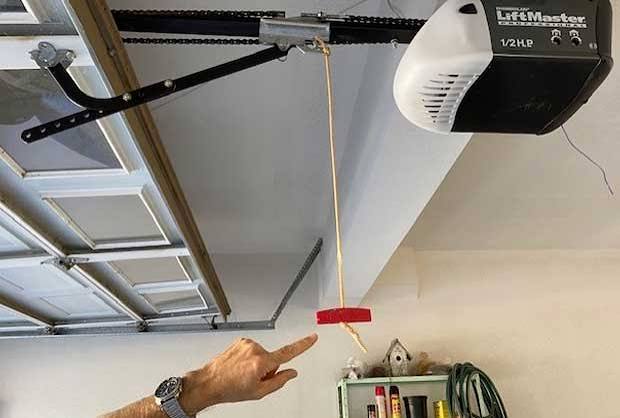
When you pull the red handle, usually attached to a rope, you are physically uncoupling the door from the motor’s drive system. This is why the door feels “free” and can be lifted by hand. However, many people mistakenly believe that simply pulling the cord again will fix it. While this is true for some older models, most modern garage door openers require a specific sequence to re-engage properly.
According to general mechanical principles outlined in resources like Wikipedia’s entry on Garage Door Openers, these systems rely on precise tension and alignment to function safely. Misalignment during reconnection can lead to premature wear or safety sensor failures.
Step-by-Step Guide: How to Reconnect Your Garage Door
Reconnecting your garage door is generally a straightforward task, but it requires attention to detail. Follow these steps carefully to ensure your system is back online and safe to use.
Step 1: Ensure the Door is Fully Closed
This is the most critical safety step. Never attempt to reconnect the opener while the door is partially open. The weight of the door can cause it to slam shut unexpectedly once re-engaged, potentially causing injury or damage to your vehicle.
- Manually lift or lower the door until it is completely closed and sitting flush against the floor.
- Ensure there are no obstacles in the track.
Step 2: Locate the Emergency Release Cord
Look for the red handle hanging from the trolley assembly on the rail above your door. It is usually located near the center of the garage ceiling.
- Identify the direction the handle needs to move. On most units, you need to pull the cord toward the garage door motor unit (the main box attached to the ceiling).
- On some models, you may need to push a lever rather than pull a cord. Check your owner’s manual if you are unsure.
Step 3: Re-engage the Trolley
With the door closed, firmly pull the release handle toward the motor unit. You should hear a distinct “click” sound. This click indicates that the locking mechanism has re-engaged the trolley with the opener carriage.
- Visual Check: Look at the connection point. The lever should snap back into its original position.
- Tug Test: Gently tug on the release cord to ensure it is locked in place. It should not move freely anymore.
Step 4: Test the Connection Manually
Before using the remote, try to lift the door manually by hand.
- If the door lifts easily and smoothly, the springs are balanced, but the door is still disengaged.
- If the door feels heavy and resists lifting, or if you feel resistance from the motor, it is likely re-engaged. Do not force it.
Step 5: Operate Using the Wall Button
Stand clear of the door and press the wall-mounted control button.
- The motor should activate, and the door should begin to open.
- Watch the first few inches of movement closely. Ensure the trolley is moving in sync with the door.
Step 6: Test with the Remote
Once the wall button works successfully, test your handheld remote or keypad. If the door operates smoothly, you have successfully reconnected your system.
Troubleshooting Common Reconnection Issues
Sometimes, following the steps above doesn’t result in immediate success. Here are common scenarios and how to address them.
| Issue | Possible Cause | Solution |
|---|---|---|
| No “Click” Sound | The lever is stuck or misaligned. | Inspect the trolley for debris. Lubricate the pivot point with silicone spray. |
| Door Won’t Move with Motor | The door is still disengaged. | Repeat Step 3, ensuring you pull the cord firmly toward the motor. |
| Motor Runs but Door Doesn’t Move | Broken spring or cable. | Stop immediately. This is a dangerous situation. Call a professional technician. |
| Remote Doesn’t Work | Sync issue or dead battery. | Replace remote batteries. Reprogram the remote to the opener unit. |
Why Did My Garage Door Disconnect Automatically?
If your garage door disconnects without you pulling the cord, it could indicate an underlying issue. Understanding these causes can save you from repeated emergencies.
1. Excessive Force Settings
Modern openers have force-limit settings. If the door encounters too much resistance (due to dirty tracks, worn rollers, or poor lubrication), the opener may interpret this as an obstruction and disengage to prevent damage.
2. Worn-Out Release Mechanism
Over time, the plastic components in the release lever can wear down or become brittle. If the lever doesn’t lock securely, vibrations from the motor can cause it to slip out of engagement.
3. Track Misalignment
If the metal tracks are bent or misaligned, the trolley may bind. This binding can trigger the safety release or cause the door to jump off the track entirely.
Safety Precautions You Must Know
Garage doors are the largest moving object in most homes, weighing hundreds of pounds. Safety should always be your top priority.
- Keep Clear: Never stand under a moving garage door.
- Check Sensors: Ensure the photo-eye sensors near the floor are clean and aligned. If these are blocked, the door will reverse or refuse to close.
- Inspect Springs: Torsion springs are under extreme tension. Never attempt to repair or adjust springs yourself. This is a job for certified professionals.
- Regular Maintenance: Lubricate moving parts every six months with a silicone-based lubricant. Avoid WD-40 as it attracts dust and gumms up the mechanism over time.
When to Call a Professional
While reconnecting the emergency release is a simple DIY task, certain signs indicate you need expert help:
- The door makes loud grinding or scraping noises.
- The door opens unevenly or appears crooked.
- The springs look stretched, broken, or detached.
- The opener motor hums but does not move the door.
Attempting to fix these issues without proper training can lead to severe injury. According to the Consumer Product Safety Commission (CPSC), thousands of injuries occur annually due to improper garage door maintenance. If you are unsure, it is always better to err on the side of caution and call a licensed technician.
FAQ Section
Q1: Can I leave my garage door disconnected from the opener?
A: Technically, yes, you can operate the door manually. However, this defeats the purpose of having an automatic opener and compromises security, as manual locks are easier to bypass. It is best to reconnect it as soon as possible.
Q2: What if I pulled the cord but didn’t mean to?
A: No worries. Simply follow the reconnection steps above. As long as the door was closed when you re-engaged it, no damage should have occurred.
Q3: Does reconnecting the door reset my remote codes?
A: No. Reconnecting the mechanical trolley does not affect the electronic programming of your remotes or keypads. Your codes remain intact.
Q4: How often should I test the emergency release?
A: It is recommended to test the emergency release mechanism once a year. Pull the cord to ensure it disengages smoothly, then reconnect it to verify it locks properly. This ensures it will work when you truly need it.
Q5: My door reconnects but makes a loud noise. What should I do?
A: A loud noise upon reconnection often indicates that the trolley was forced into place while misaligned. Disconnect it again, check the rail for obstructions, and try re-engaging it gently. If the noise persists, inspect the rollers and tracks for wear.
Q6: Is it safe to reconnect the door if the power is out?
A: Yes, you can mechanically reconnect the trolley even without power. However, you won’t be able to test the motor until power is restored. Ensure the mechanical click is heard and the lever is locked before waiting for power to return.
Conclusion
Learning how do I reconnect my garage door after emergency release is a valuable skill that empowers you to handle minor household hiccups with confidence. By following the steps outlined above—closing the door fully, locating the release cord, and listening for the definitive “click”—you can restore functionality to your garage door in just a few minutes.
Remember, regular maintenance and safety checks are key to preventing unexpected disconnections. Keep your tracks clean, your rollers lubricated, and your sensors aligned. If you found this guide helpful, please share it with your friends and family on social media. You never know who might be standing in their driveway, puzzled by a silent garage door!
Stay safe, and keep your home running smoothly.
Leave a Reply