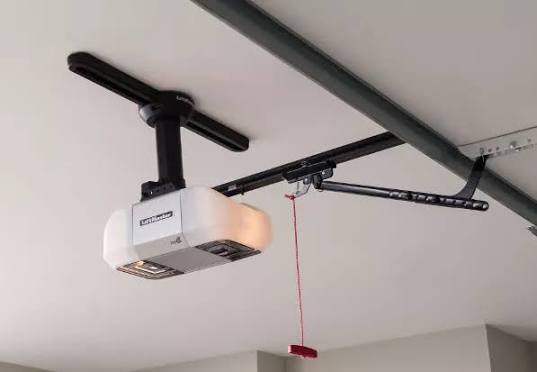
Choosing the right garage door opener can feel overwhelming given the sheer number of options available today. You want reliability, security, and convenience, but technical specs like horsepower and drive types often leave homeowners scratching their heads. If you are asking yourself, “How do I know what garage door opener to buy,” you are not alone; this guide will simplify the process so you can make a confident, informed decision.
Understanding the Different Drive Types
The first major decision you need to make is the type of drive system. The drive type determines how the motor moves the trolley that opens and closes your door. Each type has distinct advantages regarding noise, maintenance, and cost.
Chain Drive: The Budget-Friendly Workhorse
Chain drive openers use a metal chain, similar to a bicycle chain, to pull the trolley. They are the most common and affordable option on the market.
- Pros: Highly durable, inexpensive, and widely available.
- Cons: Noisy operation. The metal-on-metal contact creates a rattling sound that can be disruptive if your garage is attached to your home or if bedrooms are located above the garage.
Belt Drive: The Quiet Contender
Belt drive openers use a steel-reinforced rubber belt instead of a chain. This design significantly reduces vibration and noise.
- Pros: Extremely quiet operation, making them ideal for homes with living spaces near the garage. They require minimal maintenance.
- Cons: Slightly more expensive than chain drives. While durable, belts may need replacement after many years of heavy use, though modern reinforced belts last a long time.
Screw Drive: The Low-Maintenance Option
Screw drive openers use a threaded steel rod to move the trolley. There are fewer moving parts compared to chain or belt systems.
- Pros: Fewer moving parts mean less maintenance. They perform well in extreme temperatures where chains might contract or expand.
- Cons: Can be noisy, though usually quieter than chain drives. They may require lubrication more frequently than belt drives.
Direct Drive: The Modern Minimalist
Direct drive openers have a stationary chain or belt, and the motor itself travels along the rail. This is a newer technology gaining popularity.
- Pros: Very quiet, few moving parts, and compact design.
- Cons: Higher upfront cost and potentially harder to find technicians familiar with repairs.
Decoding Horsepower: How Much Power Do You Need?
Horsepower (HP) indicates the strength of the motor. Choosing the right HP is crucial for longevity and performance. Using an underpowered motor for a heavy door will strain the system and lead to premature failure.
| Door Type | Recommended Horsepower | Best For |
|---|---|---|
| Single Car, Light Weight | 1/3 HP | Basic, lightweight sectional doors |
| Single/Double Car, Standard | 1/2 HP | Most average residential homes |
| Double Car, Heavy/Wood | 3/4 HP | Heavy wood doors or insulated steel doors |
| Extra Large/Custom | 1 HP+ | Oversized doors or frequent commercial use |
Expert Tip: If you are unsure, it is always safer to go with a higher horsepower rating. A 3/4 HP opener provides ample power for most modern double-car garage doors and ensures smoother operation over time.
Essential Safety and Security Features
Modern garage door openers are not just about lifting weight; they are critical components of your home’s security system. When evaluating models, prioritize these features:
Rolling Code Technology
Older openers used fixed codes, which hackers could easily intercept. Modern openers use rolling code technology, which changes the access code every time you use the remote. This makes it nearly impossible for thieves to clone your signal. Always ensure the model you buy supports rolling codes.
Auto-Reverse Mechanism
Federal law in the United States requires all garage door openers manufactured after 1993 to have safety reversal systems. There are two types:
- Contact Sensing: The door reverses if it hits an object.
- Photo-Eye Sensors: Infrared beams near the floor detect obstacles. If the beam is broken while the door is closing, it immediately reverses.
Never buy an opener that lacks dual-sensor protection. You can read more about historical safety standards on Wikipedia’s Garage Door Opener page.
Battery Backup
Power outages often happen during storms—the exact time you might need to get your car out. A battery backup system allows you to open and close your door several times even when the electricity is down. This feature is increasingly becoming a standard expectation rather than a luxury.
Smart Connectivity: Is It Worth It?
In 2026, smart home integration is a major factor in purchasing decisions. Smart garage door openers connect to your Wi-Fi and allow you to control your door via a smartphone app.
Benefits of Smart Openers:
- Remote Access: Check if you closed the door from anywhere in the world.
- Voice Control: Integrate with Amazon Alexa, Google Assistant, or Apple HomeKit.
- Activity Logs: See who opened the door and when.
- Temporary Access: Grant digital keys to delivery drivers or guests without giving them a physical remote.
If you already have a smart home ecosystem, investing in a Wi-Fi-enabled opener adds significant convenience. However, ensure your garage has a strong Wi-Fi signal, or consider using a Wi-Fi extender.
Step-by-Step Guide to Measuring and Compatibility
Before purchasing, you must ensure the new opener is compatible with your existing door. Follow these steps:
- Check the Door Weight: Lift your garage door manually. If it feels excessively heavy, you may need a higher horsepower unit or professional spring adjustment.
- Measure the Headroom: Measure the space between the top of the garage door and the ceiling. Most standard openers require at least 10–12 inches of headroom. If you have low ceilings, look for “low-headroom” kits or jackshaft openers that mount on the wall beside the door.
- Identify the Rail Length: Standard rails fit 7-foot-high doors. If you have an 8-foot or taller door, you will need an extended rail kit.
- Inspect Existing Hardware: Ensure your garage door tracks, rollers, and springs are in good condition. An opener cannot fix a broken door; it only moves it.
FAQ Section
Q: Can I install a garage door opener myself?
A: Yes, many homeowners successfully install openers themselves if they are comfortable with basic tools and following instructions. However, garage doors are under high tension. If you need to adjust springs or cables, it is highly recommended to hire a professional due to safety risks.
Q: How long do garage door openers last?
A: The average lifespan of a garage door opener is 10–15 years. Regular maintenance, such as lubricating moving parts and testing safety sensors, can extend this life. Belt drives tend to last longer with less maintenance than chain drives.
Q: Why is my garage door opener so loud?
A: Noise is usually caused by the drive type. Chain drives are inherently noisy. If you have a chain drive and want less noise, you can try lubricating the chain with a specialized garage door lubricant. However, switching to a belt drive is the most effective solution for noise reduction.
Q: Do I need a special remote for a smart garage door opener?
A: No, smart openers still come with traditional remotes for local use. The smart functionality is an additional feature accessed via your smartphone. You can use both methods interchangeably.
Q: What is the difference between AC and DC motors?
A: AC motors are traditional, powerful, and often louder. DC motors are newer, quieter, and offer variable speed control (soft start and soft stop), which reduces wear on the door. DC motors are generally preferred for residential use today.
Conclusion
Knowing how do I know what garage door opener to buy comes down to balancing your budget, noise tolerance, and security needs. For most homeowners, a 1/2 HP or 3/4 HP belt drive opener with rolling code security and battery backup offers the best combination of quiet performance and reliability. If you value convenience, adding smart connectivity allows you to manage your home’s access from anywhere.
Take the time to measure your space and assess your door’s weight before making a purchase. Investing in a quality opener now saves you from costly repairs and frustrations later.
Found this guide helpful? Share it with your neighbors on Facebook or Twitter to help them tackle their next home improvement project!
Leave a Reply