Introduction
There’s nothing quite as frustrating as the piercing screech of a garage door every time you enter or leave your home. That high-pitched noise doesn’t just annoy you—it can disturb your neighbors and signal underlying mechanical issues that could lead to costly repairs down the road. If you’ve been wondering “how do I get my garage door to stop squeaking,“ you’re in the right place. This comprehensive guide will walk you through proven methods to silence your garage door, from quick fixes to long-term maintenance strategies that keep it running smoothly for years.
Why Does Your Garage Door Squeak?
Before diving into solutions, it’s essential to understand what causes that irritating sound. Garage doors consist of multiple moving parts—rollers, hinges, springs, tracks, and openers—that work together seamlessly when properly maintained. However, over time, several factors can contribute to squeaking:
- Lack of lubrication: Metal-on-metal contact without proper lubrication creates friction and noise
- Worn-out components: Rollers, hinges, and bearings degrade with regular use
- Loose hardware: Vibrations from daily operation can loosen bolts and screws
- Dirt and debris buildup: Accumulated grime interferes with smooth movement
- Weather conditions: Temperature fluctuations cause metal expansion and contraction
According to the International Door Association, approximately 70% of garage door noise complaints stem from inadequate maintenance rather than mechanical failure. Understanding these root causes helps you target the right solution.
Step-by-Step Guide to Silence Your Squeaky Garage Door
1. Identify the Source of the Squeak
The first step in solving any problem is accurate diagnosis. Listen carefully when operating your garage door to pinpoint where the noise originates:
- Squeaking during opening/closing: Likely hinges or rollers
- Grinding sounds: Possibly the opener mechanism or track alignment
- Popping noises: May indicate spring tension issues
- Rattling: Usually loose hardware or worn weatherstripping
Pro tip: Have someone operate the door while you stand nearby with a flashlight to visually inspect each component as it moves.
2. Clean All Moving Parts Thoroughly
Before applying any lubricant, you must remove existing dirt, rust, and old grease. Here’s how:
Materials needed:
- Soft-bristle brush or old toothbrush
- Clean rags or microfiber cloths
- Mild detergent or degreaser
- Bucket of warm water
Process:
- Disconnect the garage door opener for safety
- Wipe down all visible metal surfaces with a damp cloth
- Use the brush to scrub hinges, rollers, and track joints
- Remove stubborn grime with a mild degreaser if necessary
- Dry all components completely before proceeding
Note: Avoid using harsh chemicals that could damage rubber seals or plastic components.
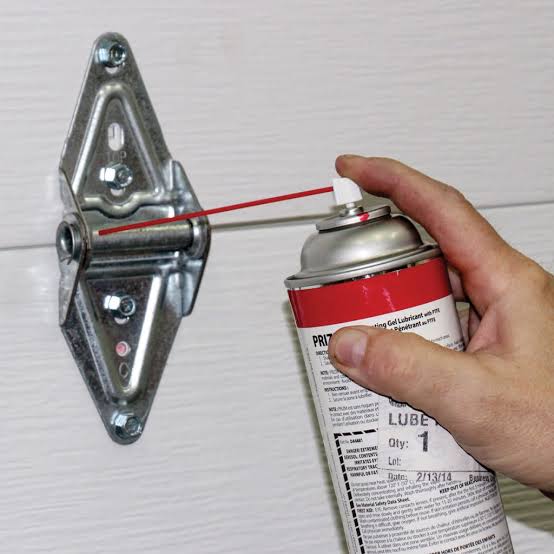
3. Lubricate Properly Using the Right Products
This is where most homeowners make critical mistakes. Not all lubricants are created equal, and using the wrong type can actually worsen the problem.
Recommended lubricants:
| Lubricant Type | Best For | Pros | Cons |
|---|---|---|---|
| Silicone-based spray | Rollers, hinges, tracks | Long-lasting, doesn’t attract dirt | Slightly more expensive |
| White lithium grease | Heavy-duty hinges, springs | Excellent adhesion, weather-resistant | Messier application |
| Garage door-specific lubricant | All components | Formulated specifically for garage doors | Limited availability |
What to avoid:
- WD-40 (it’s a penetrant, not a lubricant)
- Motor oil (attracts dust and dirt)
- Graphite powder (messy and inconsistent)
Application technique:
- Apply lubricant sparingly—a little goes a long way
- Focus on pivot points: hinge pins, roller bearings, and spring coils
- Spray or apply directly to contact points, not surrounding areas
- Operate the door 3-5 times to distribute lubricant evenly
- Wipe away excess to prevent dripping
For detailed information about garage door components and their functions, you can reference Wikipedia’s article on garage doors.
4. Tighten All Hardware
Vibration from regular use gradually loosens bolts, nuts, and screws. Check and tighten:
- Hinge bolts connecting door sections
- Roller brackets attached to the door
- Track mounting brackets secured to walls and ceiling
- Opener chain or belt tension
- Weatherstripping attachments
Use appropriate tools—a socket wrench works best for most garage door hardware. Be careful not to overtighten, which can strip threads or damage components.
5. Inspect and Replace Worn Components
Sometimes lubrication and tightening aren’t enough. Look for signs of wear that require replacement:
Rollers:
- Nylon rollers last longer and run quieter than steel
- Replace if cracked, chipped, or showing flat spots
- Consider upgrading to sealed-bearing rollers for superior performance
Hinges:
- Check for excessive play or visible wear
- Replace bent or corroded hinges immediately
- Standard residential doors typically have 10-12 hinges
Weatherstripping:
- Cracked or brittle seals create rattling noises
- Replace bottom seals annually for optimal performance
When to Call a Professional
While many squeaking issues are DIY-friendly, certain situations require expert attention:
- Spring problems: Torsion springs store tremendous energy and can be dangerous
- Track misalignment: Requires specialized tools and expertise
- Opener motor issues: Electrical components need professional diagnosis
- Persistent noise after maintenance: May indicate deeper structural problems
The average cost for professional garage door service ranges from $150-$300, depending on your location and the complexity of repairs. Regular maintenance can prevent most major issues, saving you money in the long run.
Preventive Maintenance Schedule
Keep your garage door quiet with this maintenance routine:
Monthly:
- Visual inspection of all components
- Listen for new or changing sounds
- Check track alignment
Quarterly:
- Clean tracks and rollers
- Apply fresh lubricant to moving parts
- Tighten loose hardware
Annually:
- Professional inspection and tune-up
- Replace worn weatherstripping
- Test safety features and balance
FAQ Section
Q: How often should I lubricate my garage door?
A: You should lubricate your garage door every 3-6 months, or at least twice yearly. However, frequency depends on usage and climate. Doors in humid environments or those used multiple times daily may need quarterly lubrication. Always clean components before applying new lubricant for best results.
Q: Can I use WD-40 to stop my garage door from squeaking?
A: No, WD-40 is not recommended for garage door lubrication. While it temporarily reduces friction, WD-40 is primarily a water displacer and penetrant, not a true lubricant. It evaporates quickly and attracts dirt, potentially worsening the problem. Use silicone-based sprays or white lithium grease instead for lasting results.
Q: Why does my garage door squeak only in cold weather?
A: Temperature changes cause metal components to contract and expand, altering clearances between moving parts. Cold weather also thickens existing lubricants, reducing their effectiveness. Additionally, humidity changes affect wooden doors differently than metal ones. Applying cold-weather-appropriate lubricants and ensuring proper insulation can minimize seasonal squeaking.
Q: Is it normal for a new garage door to squeak?
A: New garage doors shouldn’t squeak significantly. Minor noises during the break-in period (first few weeks) might occur as components settle, but persistent squeaking indicates installation issues or manufacturing defects. Contact your installer or manufacturer if a new door continues squeaking after the initial break-in period. Most reputable companies offer warranties covering such issues.
Q: Will replacing steel rollers with nylon rollers eliminate squeaking?
A: Upgrading to nylon rollers often reduces noise considerably, as nylon operates more quietly than steel and doesn’t require frequent lubrication. However, rollers are just one component—if hinges, tracks, or other parts are problematic, squeaking may persist. For best results, combine roller replacement with comprehensive maintenance including lubrication and hardware tightening.
Q: How can I tell if my garage door springs need replacement?
A: Signs of worn springs include: difficulty opening the door manually, visible gaps in torsion springs, rust or corrosion, loud popping sounds, and the door appearing unbalanced. Springs typically last 10,000-15,000 cycles (approximately 7-10 years for average use). Never attempt spring replacement yourself—the stored energy makes them extremely dangerous. Always hire a qualified technician for spring-related work.
Conclusion
Learning how do I get my garage door to stop squeaking doesn’t require extensive mechanical knowledge or expensive tools. By following the systematic approach outlined in this guide—identifying the noise source, cleaning thoroughly, lubricating correctly, tightening hardware, and replacing worn components—you can restore peaceful operation to your garage door.
Remember, prevention is key. Establishing a regular maintenance schedule not only keeps your door quiet but also extends its lifespan and ensures safe operation. A well-maintained garage door adds value to your home and provides reliable service for years to come.
Don’t let a squeaky garage door disrupt your peace of mind any longer. Try these solutions today, and if you found this guide helpful, share it with friends and family who might be dealing with the same annoying problem. Your neighbors will thank you!
Leave a Reply