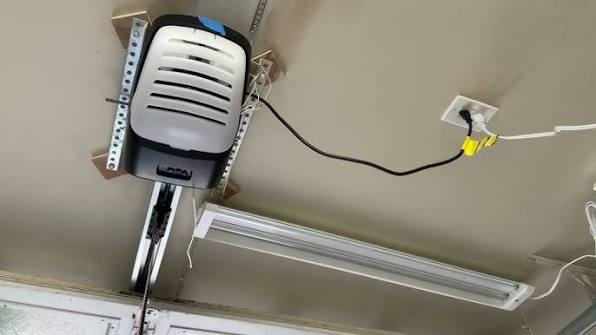
There is nothing quite as frustrating or anxiety-inducing as watching your Genie garage door opener not closing all the way, leaving a vulnerable gap between the door and the floor. This common issue compromises your home’s security and exposes your vehicle to the elements, but it is usually caused by a simple calibration or sensor misalignment rather than a catastrophic motor failure. In this guide, we will walk you through safe, step-by-step solutions to get your door sealing perfectly again.
Why Is My Genie Garage Door Opener Not Closing All The Way?
Before grabbing your toolbox, it is vital to understand why this happens. Modern Genie openers are equipped with redundant safety systems designed to prevent injury or property damage. When the Genie garage door opener not closing all the way occurs, the system is typically reacting to one of three triggers: an obstruction detection (real or false), a limit switch miscalibration, or physical resistance in the track.
According to industry safety standards outlined by the Consumer Product Safety Commission (CPSC) on Wikipedia, garage door openers manufactured after 1993 must include photoelectric eyes that reverse the door if the beam is broken. While these save lives, they are also the #1 cause of false “open” readings due to dust, sunlight interference, or slight bracket shifts. Understanding this balance between safety and functionality is the first step toward a proper fix.
How Do I Check and Align Genie Safety Sensors?
The Safe-T-Beam® system is the most frequent culprit when a Genie unit stops inches from the floor and reverses. If the LED lights on your sensors are blinking red instead of glowing solid green/red, the beam is interrupted.
Step-by-Step Sensor Alignment Guide
- Inspect the Lenses: Wipe both sensor lenses with a clean microfiber cloth. Dust, spiderwebs, or oil can scatter the infrared beam.
- Check Indicator Lights: Locate the LEDs on both the sending (red) and receiving (green) units. Both should be solid. A blinking light indicates misalignment or wiring failure.
- Loosen Bracket Bolts: Using a 7/16” wrench, slightly loosen the wing nut or bolt holding the misaligned sensor. Do not remove it completely.
- Realign Manually: Gently rotate the sensor housing until the LED turns solid. Even a millimeter shift can restore the beam.
- Tighten and Test: Secure the bracket while holding the sensor steady. Close the door using the wall console. If it closes fully, the issue is resolved.
⚠️ Safety Warning: Never tape over sensors or bypass the Safe-T-Beam system to force closure. This disables critical safety features and creates severe entrapment hazards.
How to Adjust Travel Limits on a Genie Opener
If your sensors are perfectly aligned but the door still stops 2–6 inches above the ground, the travel limit settings likely need recalibration. Over time, spring tension changes and mechanical wear can alter how far the trolley travels per rotation.
Adjusting Up/Down Limits (Chain & Belt Drive Models)
Most modern Genie openers use electronic limit programming via the motor head buttons:
| Button | Function | Adjustment Direction |
|---|---|---|
| UP Arrow (+) | Increases upward travel | Hold to extend opening height |
| DOWN Arrow (-) | Increases downward travel | Hold to extend closing depth |
| SET/PRGM | Confirms new limit position | Press after reaching desired spot |
Detailed Calibration Steps:
- Press and hold the DOWN arrow button on the motor unit until the door touches the floor completely.
- Release the button immediately when the seal makes full contact.
- Press the SET/PRGM button once to lock in the new down limit. The LED should flash to confirm.
- Test the cycle. If the door pushes too hard against the floor (causing buckling), repeat step 1 but release the DOWN arrow just before full contact.
For older models with mechanical limit screws, turn the “DOWN” adjustment screw clockwise in quarter-turn increments until full closure is achieved. Always test after each adjustment to prevent crushing objects left beneath the door.
Could Track Obstruction or Spring Tension Be the Problem?
When adjustments fail, physical binding often explains why a Genie garage door opener not closing all the way persists. The opener’s force sensors detect resistance and interpret it as an obstruction, triggering auto-reverse.
Diagnosing Mechanical Resistance
Perform the Manual Balance Test: Disconnect the opener by pulling the emergency release cord. Lift the door manually halfway up and release. A properly balanced door should stay in place. If it slams down or rises uncontrollably, your torsion or extension springs are unbalanced. Do not attempt spring repair yourself—these components store lethal energy. Contact a certified Genie dealer for spring service.
Next, inspect the vertical and horizontal tracks for dents, debris, or loose mounting brackets. Even minor track misalignment creates friction that exceeds the opener’s force threshold. Clean tracks with brake cleaner and verify roller condition; nylon rollers showing flat spots or chips should be replaced in sets.
When Should You Call a Professional vs. DIY?
Knowing your limits prevents costly damage and injury. Use this decision matrix:
| Issue Type | DIY Appropriate? | Estimated Time | Risk Level |
|---|---|---|---|
| Dirty/Misaligned Sensors | ✅ Yes | 10–15 min | Low |
| Travel Limit Adjustment | ✅ Yes | 15–20 min | Low |
| Loose Hardware/Bolts | ✅ Yes | 20–30 min | Low |
| Worn Rollers/Hinges | ⚠️ Intermediate | 1–2 hours | Medium |
| Spring Replacement | ❌ No | N/A | Extreme |
| Circuit Board Failure | ❌ No | N/A | High |
If you have completed sensor alignment, limit adjustment, and track inspection without success, the logic board or RPM sensor may be failing. These diagnostics require multimeter testing and proprietary parts best handled by authorized technicians.
Frequently Asked Questions (FAQ)
Why does my Genie door close then immediately reopen?
This classic symptom indicates either obstructed safety sensors or excessive closing force. First, verify both Safe-T-Beam LEDs are solid. If they are, reduce the DOWN force setting by one increment—the door may be detecting floor contact as an obstruction. Also check for weatherstripping that has hardened and created unexpected resistance.
Can sunlight interfere with Genie safety sensors?
Yes, direct afternoon sunlight hitting the receiving sensor can overwhelm the infrared beam, causing intermittent failures. Install sun shields (available as Genie accessories) or reposition sensors slightly inward so the hood blocks direct rays. Temporary testing with cardboard shading confirms solar interference.
How often should I recalibrate travel limits?
Under normal conditions, limits should remain stable for years. Recalibrate only after spring replacement, track realignment, roller replacement, or if you notice gradual gaps developing. Seasonal temperature extremes can affect metal expansion; a biannual check during spring/fall maintenance is prudent.
What does a flashing red LED on my Genie opener mean?
A flashing red Safe-T-Beam LED specifically indicates beam interruption or sensor malfunction. Count the flashes: continuous flashing means obstruction/misalignment, while specific flash patterns (e.g., 3 flashes) may indicate wiring faults or control board errors. Consult your model-specific manual for diagnostic codes.
Is it safe to adjust force settings to maximum to force closure?
Absolutely not. Maximum force settings defeat safety mechanisms and risk crushing vehicles, pets, or children. Force should be set to the minimum level required for reliable operation. If maximum force is needed, there is an underlying mechanical problem requiring professional repair.
Final Thoughts: Secure Your Home Today
Dealing with a Genie garage door opener not closing all the way doesn’t require panic or expensive service calls in most cases. By systematically checking sensors, recalibrating travel limits, and eliminating mechanical binding, you can restore full functionality and peace of mind within an hour. Remember that these safety systems exist to protect your family—never compromise them for convenience.
Found this guide helpful? Share it with fellow homeowners on Facebook, Nextdoor, or Pinterest who might be struggling with the same frustrating garage door issues. A quick share could save someone hours of troubleshooting and keep their home secure tonight!
Leave a Reply