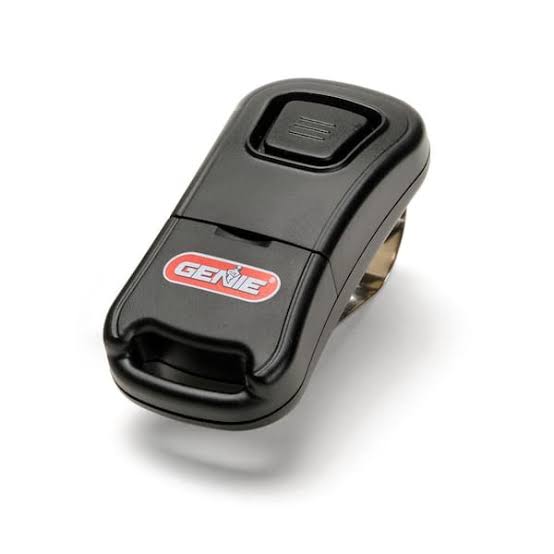
Is your old garage door opener struggling to lift your heavy door? Are you tired of noisy operations and frequent breakdowns that disrupt your daily routine? Finding a reliable replacement can feel overwhelming with so many options on the market. The Genie 1/2 HP chain drive garage door opener offers a robust solution for standard residential doors, combining durability with straightforward functionality. In this guide, we’ll explore why this model might be the perfect fit for your home, breaking down its features, installation process, and real-world performance.
Why Choose a 1/2 HP Chain Drive Model?
When selecting a garage door opener, horsepower (HP) is a critical factor. A 1/2 HP motor is the industry standard for most single-car and double-car garage doors made of wood, steel, or aluminum. It provides enough torque to lift doors weighing up to 350–400 pounds efficiently. But why choose a chain drive specifically?
Chain drive openers use a metal chain, similar to a bicycle chain, to pull the trolley that moves the door. This mechanism is known for its:
- Durability: Metal chains are less likely to break under stress compared to belts.
- Cost-Effectiveness: They are generally more affordable than belt-drive or screw-drive models.
- Strength: Ideal for heavier doors where consistent power is needed.
While they may produce more noise than belt drives, modern Genie models include vibration-isolation mounts and rubber-coated chains to minimize sound. For homeowners prioritizing reliability and budget over whisper-quiet operation, a chain drive is a smart choice.
Key Features of the Genie 1/2 HP Chain Drive Opener
Genie has been a trusted name in garage door automation for decades. Their 1/2 HP chain drive models come packed with features designed for safety and convenience. Here’s what sets them apart:
1. Aladdin Connect™ Smart Home Integration
Many newer Genie 1/2 HP models support Aladdin Connect, allowing you to control your garage door via a smartphone app. You can check if the door is closed, open it for deliveries, or receive alerts—all from anywhere. This feature adds a layer of security and convenience that traditional openers lack.
2. Safe-T-Beam® Non-Contact Reversing System
Safety is paramount. The Safe-T-Beam system uses an infrared beam across the bottom of the door opening. If anything breaks the beam while the door is closing, the opener automatically reverses direction. This prevents accidents involving pets, children, or objects left in the doorway.
3. Dual-Link Chain Design
Genie’s proprietary dual-link chain is stronger and quieter than standard chains. It reduces wear and tear, extending the lifespan of the opener. The chain is also pre-lubricated, reducing maintenance needs.
4. Battery Backup Compatibility
Power outages don’t have to mean being locked out. Many Genie 1/2 HP models are compatible with battery backup systems (sold separately), ensuring you can still operate your door during emergencies. This is crucial for homes in areas prone to storms or grid instability.
Installation Guide: Step-by-Step
Installing a garage door opener can be a DIY project if you’re comfortable with basic tools and following instructions. However, always prioritize safety. If your door lacks proper springs or balance, consult a professional. Here’s a simplified overview:
Tools Needed:
- Ladder
- Wrench set
- Screwdrivers
- Drill
- Level
- Helper (recommended)
Steps:
- Prepare the Door: Ensure your garage door is balanced. Disconnect the old opener if replacing one. Lubricate rollers and hinges.
- Assemble the Rail: Attach the chain to the trolley and thread it through the rail. Secure the rail to the motor unit.
- Mount the Header Bracket: Install the bracket above the garage door opening, ensuring it’s level and secure into structural supports.
- Install the Motor Unit: Lift the motor unit onto the ceiling joists using mounting brackets. Use lag screws for solid wood joists.
- Connect the Arm: Attach the straight and curved arms between the trolley and the door bracket.
- Wire the Safety Sensors: Install the Safe-T-Beam sensors on both sides of the door, 6 inches above the floor. Ensure they face each other directly.
- Program Limits and Force: Follow the manual to set the open/close limits and adjust force settings. Test the reversal feature by placing a 2×4 block on the floor in the door’s path.
For detailed wiring diagrams and safety warnings, refer to the official Genie manual. Always disconnect power before working on electrical components.
Pros and Cons: Is It Right for You?
Before making a purchase, weigh the advantages and disadvantages:
| Pros | Cons |
|---|---|
| High durability for heavy doors | Louder than belt-drive models |
| Cost-effective initial investment | Requires occasional lubrication |
| Strong lifting power (1/2 HP) | Chain may stretch over time |
| Smart home integration available | Not ideal for bedrooms above garage |
How Does It Compare to Other Drives?
Understanding the differences between drive types helps you make an informed decision:
- Chain Drive: Best for durability and budget. Suitable for detached garages or homes where noise isn’t a major concern.
- Belt Drive: Quieter operation due to rubber belts. Ideal for attached garages with living spaces above. More expensive.
- Screw Drive: Fewer moving parts, low maintenance. Can be noisy in extreme temperatures. Less common today.
According to Wikipedia’s overview of garage door openers, chain drives remain the most popular type in the US due to their reliability and affordability.
Maintenance Tips for Longevity
To keep your Genie 1/2 HP chain drive opener running smoothly:
- Lubricate the Chain: Every 6 months, apply a garage door-specific lubricant to the chain. Avoid WD-40 as it attracts dust.
- Check Sensors: Clean the Safe-T-Beam lenses monthly to ensure proper function.
- Test Balance: Disconnect the opener and manually lift the door. It should stay in place when halfway open. If it falls, call a professional to adjust the springs.
- Tighten Hardware: Vibration can loosen bolts. Check mounting brackets and rail connections annually.
FAQ Section
Q1: How much weight can a 1/2 HP Genie opener lift?
A: A 1/2 HP Genie opener can typically lift doors weighing up to 350–400 pounds. This covers most standard single and double-car garage doors made of steel, wood, or aluminum.
Q2: Is the Genie 1/2 HP chain drive noisy?
A: Chain drives are louder than belt drives due to metal-on-metal contact. However, Genie’s dual-link chain and vibration-isolation mounts reduce noise significantly. It’s suitable for detached garages or homes without bedrooms above the garage.
Q3: Can I install this opener myself?
A: Yes, if you have basic DIY skills and tools. However, garage doors are under high tension. If you’re unsure about spring adjustments or electrical wiring, hire a professional installer for safety.
Q4: Does it work with smart home systems?
A: Many Genie 1/2 HP models support Aladdin Connect, which integrates with Amazon Alexa, Google Assistant, and Apple HomeKit. Check the specific model number for compatibility.
Q5: How often should I maintain the chain?
A: Lubricate the chain every 6 months with a silicone-based or lithium-based garage door lubricant. Inspect for wear or stretching annually.
Q6: What warranty does Genie offer?
A: Genie typically offers a limited lifetime warranty on the motor and a 1-year warranty on parts. Register your product online to activate the warranty.
Conclusion
The Genie 1/2 HP chain drive garage door opener stands out as a reliable, cost-effective choice for homeowners seeking durability and strength. While it may not be the quietest option, its robust construction, smart features, and safety systems make it a top contender in its class. Whether you’re replacing an old unit or installing a new one, this opener delivers consistent performance for years to come.
If you found this guide helpful, share it with friends or neighbors who might be struggling with their garage doors! Have questions or experiences to share? Leave a comment below—we’d love to hear from you.
Leave a Reply