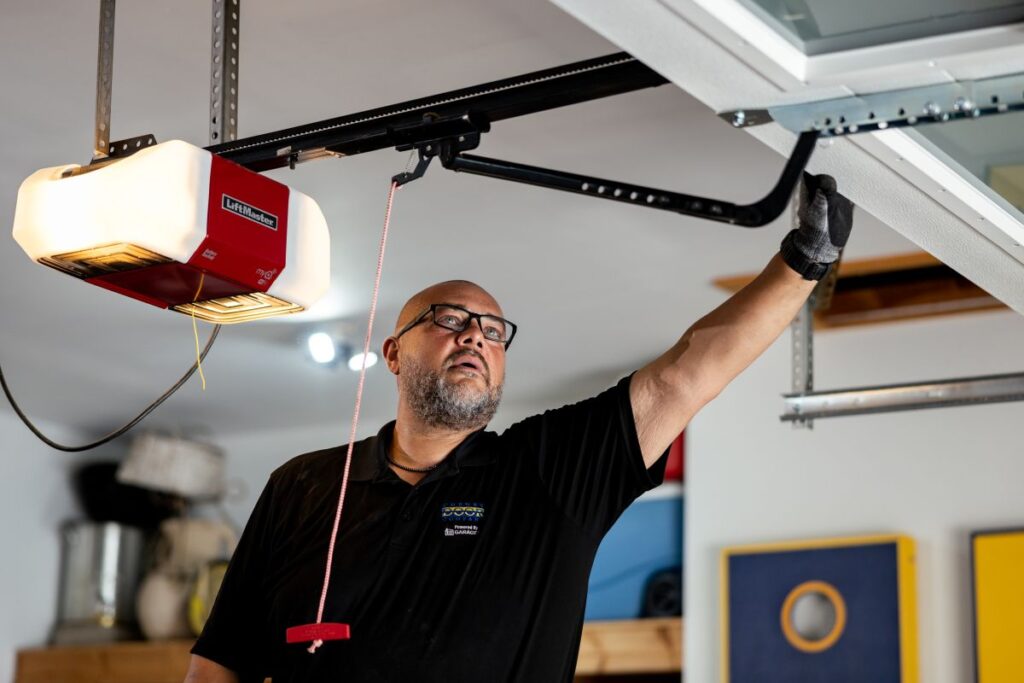
Is your garage door won’t shut unless I hold the button? You’re not alone. This frustrating issue affects thousands of homeowners every month, turning a simple task into a daily headache. Whether you’re rushing to leave for work or trying to secure your home at night, a malfunctioning garage door can feel like more than just an inconvenience—it’s a safety concern.
The good news? Most causes are simple to diagnose and fix without calling a professional. In this comprehensive guide, we’ll walk you through everything from basic sensor checks to advanced troubleshooting techniques that actually work.
Why Does My Garage Door Only Close When I Hold the Button?
Before diving into solutions, let’s understand what’s happening. Modern garage doors have multiple safety features designed to prevent accidents. When any of these systems detect a potential problem, they interrupt the closing cycle as a precaution.
According to the International Door Association, over 60% of garage door service calls involve sensor or alignment issues—problems that homeowners can often resolve themselves with the right knowledge.
Common Causes at a Glance
| Cause | Frequency | Difficulty to Fix |
|---|---|---|
| Misaligned Safety Sensors | 35% | Easy |
| Dirty Sensor Lenses | 25% | Very Easy |
| Obstructed Door Path | 15% | Very Easy |
| Remote Control Issues | 10% | Easy |
| Track Misalignment | 8% | Moderate |
| Limit Switch Problems | 5% | Moderate |
| Motor Unit Malfunction | 2% | Hard |
Check Your Safety Sensors First
The most common culprit behind a garage door won’t shut unless I hold the button scenario is misaligned or dirty safety sensors. These infrared beams sit near the floor on both sides of your garage door opening.
How Safety Sensors Work
Safety sensors create an invisible beam across your garage door entrance. If anything interrupts this beam while the door is closing, the system immediately reverses direction. This prevents injuries and property damage.
When sensors aren’t properly aligned, they can’t “see” each other, causing the door to refuse closing unless you override the safety feature by holding the wall button.
Step-by-Step Sensor Alignment Fix
- Locate both sensors – They’re mounted 4-6 inches above the floor on either side of the door
- Check the indicator lights – Most sensors have LED lights; both should be solid (not blinking)
- Clean the lenses – Use a soft, dry cloth to wipe away dust, spider webs, or debris
- Loosen the mounting brackets – Use a screwdriver to slightly loosen the screws holding each sensor
- Align the sensors – Adjust until both indicator lights turn solid green or amber (varies by brand)
- Tighten the brackets – Secure the sensors in their new position
- Test the door – Try closing it normally without holding the button
Pro tip: Place a piece of cardboard between the sensors while adjusting. When the light changes, you know they’re aligned.
For more detailed information about garage door safety standards, visit Wikipedia’s page on garage door openers.
Inspect and Clean the Door Tracks
Dirty or misaligned tracks can cause your garage door to bind, triggering the safety reversal mechanism. Even small amounts of debris can create enough resistance to stop the closing cycle.
Track Maintenance Checklist
- Remove visible debris – Use a vacuum or brush to clear dirt, leaves, and small objects
- Check for dents or bends – Look along the entire track length for damage
- Verify track alignment – Both vertical tracks should be parallel and plumb
- Lubricate moving parts – Apply silicone-based lubricant to rollers and hinges (avoid WD-40)
- Tighten loose hardware – Check all bolts and brackets securing the tracks to walls and ceiling
When to Call a Professional
If you notice significant bends, gaps between track sections, or if the door visibly jumps while moving, it’s time to contact a licensed technician. Attempting major track repairs without proper tools can worsen the problem.
Test Your Remote Control and Wall Button
Sometimes the issue isn’t with the door itself but with the control mechanism. A weak battery or faulty transmitter can send inconsistent signals, causing erratic behavior.
Remote Control Troubleshooting
- Replace the batteries – Even if they seem fine, fresh batteries eliminate one variable
- Reprogram the remote – Consult your owner’s manual for reset procedures
- Check the range – Stand closer to the door when testing
- Inspect for physical damage – Look for cracked casings or stuck buttons
Wall Button Verification
The wall-mounted button bypasses some safety features when held down, which explains why your door closes only when you maintain pressure. Test the button by:
- Pressing it briefly (don’t hold) to see if the door responds
- Checking for loose wiring connections behind the faceplate
- Ensuring the button isn’t stuck in a partially depressed position
Examine the Door Balance and Springs
An unbalanced garage door puts excessive strain on the opener motor, potentially triggering safety reversals. Properly balanced doors should stay in place when lifted halfway.
Balance Test Procedure
- Disconnect the opener by pulling the emergency release cord
- Lift the door manually to approximately halfway
- Release it gently
- Observe the result:
- Door stays put: Good balance
- Door falls: Springs need adjustment
- Door rises: Springs are too tight
Warning: Garage door springs contain tremendous tension. Never attempt spring adjustments yourself—this task requires specialized tools and training. Contact a professional if your door fails the balance test.
Adjust the Travel Limits and Force Settings
Modern garage door openers have adjustable settings that determine how far the door travels and how much force it applies. Incorrect settings can cause premature reversal.
Finding the Adjustment Screws
Look on the motor unit housing for two sets of screws or dials labeled:
- Up/Down limit or Travel
- Force or Sensitivity
Adjustment Guidelines
For travel limits:
- Turn the down limit screw clockwise in small increments (1/4 turn at a time)
- Test after each adjustment
- The door should close completely and seal against the weather stripping
For force settings:
- Increase force gradually if the door reverses without obstruction
- Decrease force if the door doesn’t reverse when meeting resistance
- Always prioritize safety over convenience
Consult your specific model’s manual for exact locations and adjustment procedures, as these vary significantly between brands like Chamberlain, LiftMaster, Genie, and Craftsman.
Clear the Door Path and Check for Obstructions
It sounds obvious, but sometimes the simplest explanation is correct. Objects in the door’s path, even small ones, can trigger the safety reversal.
Common Hidden Obstructions
- Toys or sports equipment left near the door
- Bicycles leaning against the wall
- Storage items protruding into the doorway
- Ice or snow buildup in winter months
- Overgrown vegetation touching the door
Perform a visual inspection from inside and outside the garage. Remove anything within 6 inches of the door’s travel path.
FAQ: Garage Door Won’t Shut Unless I Hold The Button
Q: Is it safe to keep using my garage door by holding the button?
A: While temporarily holding the button allows the door to close, it bypasses important safety features. This should only be a short-term solution while you diagnose and fix the underlying problem. Extended use without addressing the root cause could lead to complete failure or safety hazards.
Q: How much does it cost to repair a garage door that won’t close?
A: DIY fixes typically cost $0-$30 for cleaning supplies, batteries, or lubricant. Professional service calls range from $75-$150 for diagnosis, with repairs adding $100-$400 depending on the issue. Sensor realignment usually costs $85-$125, while track repair runs $150-$300.
Q: Can weather affect whether my garage door closes properly?
A: Absolutely. Extreme temperatures cause metal tracks and door panels to expand or contract, affecting alignment. Humidity can fog sensor lenses, and ice buildup creates physical obstructions. Cold weather also thickens lubricants, increasing friction. Regular maintenance helps mitigate weather-related issues.
Q: How often should I maintain my garage door to prevent closing problems?
A: Perform basic visual inspections monthly, checking sensors, tracks, and overall operation. Conduct thorough cleaning and lubrication quarterly. Schedule professional maintenance annually to catch developing issues before they cause failures. This preventive approach saves money and extends your door’s lifespan significantly.
Q: My garage door closes partway then reverses. What’s wrong?
A: This typically indicates either an obstruction detection issue or incorrect force settings. Check for objects in the door’s path first. If clear, inspect the safety sensors for alignment and cleanliness. Finally, adjust the force settings slightly higher, testing carefully after each small adjustment.
Q: Should I replace my old garage door opener or keep repairing it?
A: Consider replacement if your opener is over 15 years old, lacks modern safety features (like rolling code technology), or requires frequent repairs. Newer models offer smartphone connectivity, battery backup, and improved security. However, if your opener is less than 10 years old and the issue is minor (like sensor alignment), repair makes financial sense.
Conclusion
Dealing with a garage door won’t shut unless I hold the button situation doesn’t have to be stressful or expensive. By systematically checking sensors, cleaning tracks, testing controls, and verifying proper balance, most homeowners can identify and resolve the issue themselves.
Remember, regular maintenance prevents most problems. Take fifteen minutes each month to inspect your garage door system, and you’ll avoid the frustration of unexpected malfunctions.
Did this guide help solve your garage door problem? Share it with friends and family who might be experiencing similar issues. Follow us on social media for more home maintenance tips and DIY solutions that save you time and money.
Stay safe, and enjoy the peace of mind that comes with a properly functioning garage door!
Leave a Reply