Have you ever found yourself standing in your driveway, frustrated and confused, because your garage door won’t open after pulling red cord? You are not alone. This is one of the most common panic moments for homeowners, especially when you are in a rush or during a power outage. The good news is that this is usually a simple mechanical issue, not a catastrophic failure. Understanding how the emergency release mechanism works can save you time, money, and a lot of stress.
In this guide, we will walk you through exactly why this happens, how to reconnect your door safely, and when it might be time to call a professional. Let’s get your garage door back on track.
Why Did Pulling the Red Cord Stop My Garage Door?
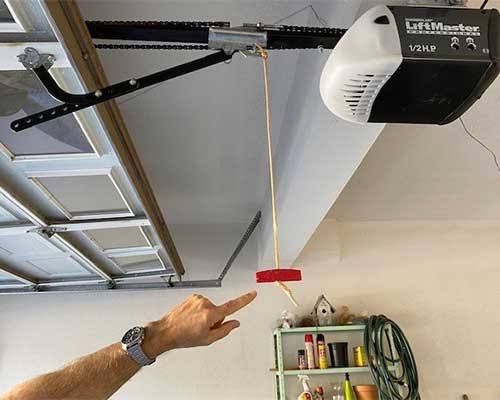
To fix the problem, you first need to understand what that red cord actually does. The red handle attached to a rope hanging from your garage door opener rail is called the emergency release mechanism. Its primary purpose is to disengage the door from the automatic opener carriage (also known as the trolley).
When you pull that cord, you are manually disconnecting the door from the motor. This allows you to open and close the door by hand if there is a power outage or if the opener malfunctions. However, once disconnected, the motor can no longer lift the door. If you try to use your remote or wall button after pulling the cord, nothing will happen because the physical link between the motor and the door is broken.
According to basic mechanical principles outlined in resources like Wikipedia’s entry on garage doors, these systems rely on a secure engagement between the trolley and the door bracket. Pulling the release breaks this engagement intentionally. Therefore, if your garage door won’t open after pulling red cord, it is likely still in the “disengaged” position.
How to Reconnect Your Garage Door to the Opener
Reconnecting your garage door is a straightforward process, but it requires attention to detail and safety. Follow these steps carefully to restore automatic operation.
Step 1: Close the Door Completely
Before attempting to reconnect, ensure the garage door is fully closed. Trying to re-engage the mechanism while the door is partially open can damage the tracks or the opener itself. If the door is stuck halfway, gently lift or lower it by hand until it sits flush on the ground.
Step 2: Locate the Emergency Release Handle
Find the red cord and handle hanging from the rail. You will notice a lever or a small mechanism near where the cord attaches to the trolley (the part that moves along the rail).
Step 3: Pull the Cord Toward the Motor
This step often confuses people. To re-engage the door, you typically need to pull the release cord in the direction of the garage door opener motor unit (usually toward the back of the garage, away from the door).
- Note: On some models, you may need to push the lever back into place rather than pulling the cord. Check your specific manufacturer’s manual if this method does not work.
Step 4: Listen for the “Click”
As you pull the cord or move the lever, you should hear a distinct click sound. This indicates that the trolley has re-engaged with the door bracket. You can also visually inspect the connection to ensure the locking mechanism is secured.
Step 5: Test the Operation
Stand clear of the door and press the wall button or use your remote. The door should now open and close automatically. If it does not, do not force it. Repeat the steps to ensure the engagement is secure.
Common Reasons the Door Still Won’t Open After Reconnecting
If you have followed the steps above and your garage door won’t open after pulling red cord was pulled, there may be other underlying issues. Here are the most common culprits:
| Potential Issue | Symptoms | Quick Fix |
|---|---|---|
| Misaligned Tracks | Door binds, makes grinding noise, or moves unevenly. | Inspect tracks for dents or debris. Tighten loose bolts. |
| Broken Springs | Door feels extremely heavy; opener strains but doesn’t lift. | Do not attempt DIY repair. Call a professional immediately. |
| Sensor Obstruction | Opener light blinks; door reverses immediately. | Clean sensors with a soft cloth; ensure nothing blocks the beam. |
| Lock Mode Activated | Opener runs but door doesn’t move; lock icon on wall panel. | Disable lock mode on the wall control panel. |
The Danger of Broken Springs
It is crucial to mention that garage door springs are under extreme tension. If your door feels unusually heavy after reconnecting it, do not try to force it open. A broken spring can cause severe injury or property damage. According to industry statistics, spring-related accidents are among the most common garage door injuries. Always prioritize safety over convenience.
Preventing Accidental Disengagement in the Future
Once you have fixed the issue, you want to make sure it doesn’t happen again accidentally. Children, pets, or even brushing against the cord while carrying items can trigger the release.
- Shorten the Cord: If the red cord hangs too low, consider tying it up or cutting it shorter (leave enough length to reach in an emergency). This prevents accidental pulls.
- Install a Shield: Some homeowners install a small plastic shield or cover over the release mechanism to prevent inadvertent activation.
- Regular Maintenance: Lubricate the moving parts of your opener and tracks every six months. A well-maintained system is less likely to jam, reducing the need to use the emergency release.
When to Call a Professional Garage Door Technician
While reconnecting the emergency release is a simple DIY task, some situations require expert assistance. You should call a professional if:
- The door makes loud banging or grinding noises during operation.
- The door opens unevenly, suggesting a cable or spring issue.
- The opener motor runs, but the door does not move even after re-engagement.
- You suspect damage to the tracks or rollers.
Professional technicians have the tools and training to handle high-tension components safely. Attempting complex repairs without proper knowledge can void your warranty and pose significant safety risks.
FAQ: Garage Door Emergency Release Issues
Q1: Can I leave my garage door disconnected from the opener?
A: Technically, yes, you can operate the door manually if it is disconnected. However, this defeats the purpose of having an automatic opener and compromises security. It is best to re-engage it as soon as possible.
Q2: Why does my garage door reverse immediately after hitting the floor?
A: This is usually a sensor issue or a limit setting problem. Check if the safety eyes (sensors) near the floor are aligned and clean. If they are blocked or misaligned, the door will reverse as a safety precaution.
Q3: Is it safe to pull the red cord while the door is moving?
A: No. You should only pull the emergency release cord when the door is stationary. Pulling it while the door is in motion can damage the opener mechanism and cause the door to drop unexpectedly.
Q4: What if the red cord is broken or missing?
A: If the cord is broken, you can still disengage the trolley by manually moving the lever on the carriage. However, you should replace the cord promptly for ease of use and safety. Replacement cords are inexpensive and available at most hardware stores.
Q5: How often should I test my garage door’s safety features?
A: You should test the auto-reverse feature and the emergency release mechanism at least once a month. Regular testing ensures that these critical safety features function correctly in an emergency.
Q6: Will pulling the red cord reset my garage door opener codes?
A: No. Pulling the emergency release cord is a mechanical action and does not affect the electronic programming or remote codes of your opener. Your remotes will still work once the door is re-engaged.
Conclusion
Dealing with a garage door won’t open after pulling red cord scenario is frustrating, but it is rarely a disaster. By understanding that the red cord is simply a manual disconnect switch, you can quickly diagnose and fix the issue. Remember to always close the door fully before re-engaging the mechanism, listen for the click, and test the operation carefully.
Regular maintenance and awareness of your garage door’s mechanics can prevent future headaches. If you encounter resistance, unusual noises, or heavy lifting requirements, do not hesitate to contact a licensed technician. Safety should always be your top priority.
Did this guide help you get your garage door working again? Share this article with your friends and family on social media to help them troubleshoot their own garage door woes!
Leave a Reply