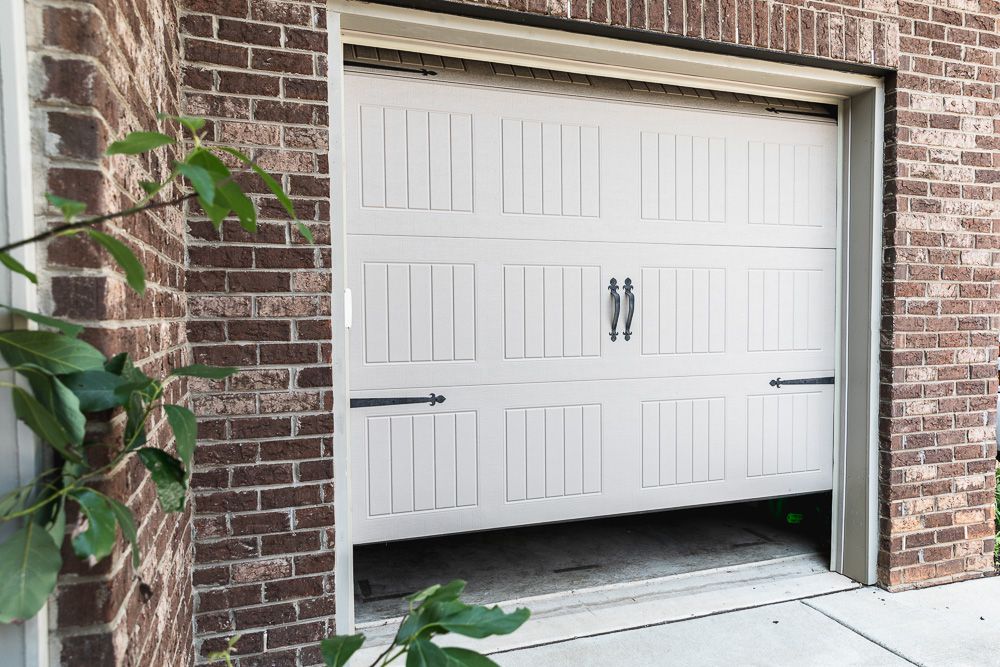
Is your garage door will open but not close with my opener? You’re not alone. This frustrating issue affects thousands of homeowners every year, often stemming from simple sensor misalignments or remote control glitches. In this guide, we’ll walk you through safe, step-by-step solutions to get your garage door working properly again—without calling a technician.
Why Does My Garage Door Open But Not Close?
Before diving into fixes, it’s essential to understand why this happens. Garage doors are equipped with multiple safety mechanisms designed to prevent accidents. When any of these systems detect an obstacle or malfunction, the door may reverse direction or refuse to close entirely.
According to the International Door Association (IDA), over 60% of garage door issues are related to sensor problems or track obstructions. Understanding the root cause helps you apply the right solution quickly and safely.
Common Causes Include:
- Misaligned or dirty safety sensors
- Obstructed door tracks
- Remote control battery issues
- Limit switch adjustments needed
- Broken springs or cables
Let’s explore each potential cause and how to fix them.
1. Check and Clean the Safety Sensors
The most common reason a garage door opens but won’t close is due to faulty safety sensors. These small devices, usually located near the bottom of the door tracks, emit an invisible beam that detects obstacles.
How to Inspect and Fix Sensor Issues:
- Locate the sensors: They’re typically mounted on both sides of the garage door, about 6 inches above the floor.
- Check for alignment: The LED lights on both sensors should be solid (not blinking). If one is off or blinking, they’re misaligned.
- Clean the lenses: Use a soft cloth to wipe away dust, dirt, or spider webs.
- Realign if necessary: Loosen the mounting brackets slightly and adjust until both LEDs glow steadily.
- Test the door: Try closing the door again after realignment.
💡 Pro Tip: Place a piece of cardboard between the sensors while testing. If the door still tries to close, the sensors aren’t functioning correctly.
For more detailed information on garage door safety standards, visit Wikipedia’s page on garage doors.
2. Clear Any Obstructions in the Track
Even minor debris like leaves, rocks, or built-up grime can prevent your garage door from closing properly.
Steps to Clear the Tracks:
- Disconnect the opener: Pull the emergency release cord to disengage the motor.
- Manually move the door: Lift and lower it slowly to feel for resistance.
- Inspect the tracks: Look for dents, bends, or foreign objects.
- Clean thoroughly: Use a brush and mild detergent to remove buildup.
- Lubricate moving parts: Apply silicone-based lubricant to rollers and hinges.
If the tracks are bent or damaged, consider contacting a professional for replacement.
3. Replace Remote Control Batteries
Sometimes the issue isn’t with the door itself—but with the remote. Weak batteries can send inconsistent signals, causing erratic behavior.
Quick Battery Replacement Guide:
| Step | Action |
|---|---|
| 1 | Open the remote casing using a small screwdriver |
| 2 | Remove old batteries (usually CR2032 coin cells) |
| 3 | Insert new batteries, ensuring correct polarity |
| 4 | Test the remote by pressing the close button |
Replace all remotes at once to ensure consistency. If the problem persists, try reprogramming the remote according to your opener’s manual.
4. Adjust the Close Limit Switch
Garage door openers have limit switches that tell the motor when to stop. If the “close” limit is set too high, the door may reverse before fully shutting.
How to Adjust the Limit Switch:
- Locate the adjustment screws: Usually found on the side or back of the opener unit.
- Identify the close limit screw: Often labeled “Down” or “Close.”
- Turn clockwise in small increments: Each turn adjusts the stopping point slightly.
- Test frequently: After each adjustment, test the door to avoid over-tightening.
⚠️ Warning: Make only small adjustments. Over-adjusting can damage the motor or cause unsafe operation.
5. Inspect Springs and Cables
Broken or worn-out springs and cables can prevent the door from closing smoothly. Torsion springs, in particular, carry significant tension and should only be handled by professionals.
Signs of Spring/Cable Problems:
- Loud snapping noise during operation
- Uneven movement when opening/closing
- Visible gaps or fraying in cables
- Door feels heavier than usual
If you suspect spring or cable issues, do not attempt repairs yourself. Contact a licensed garage door technician immediately.
6. Reset the Garage Door Opener
A factory reset can resolve software glitches or programming errors that interfere with normal operation.
General Reset Procedure:
- Unplug the opener from the power source.
- Wait 30 seconds, then plug it back in.
- Press and hold the learn button (usually red or yellow) for 10–15 seconds.
- Release the button and wait for the indicator light to blink.
- Reprogram your remote following the manufacturer’s instructions.
Refer to your opener’s manual for model-specific reset steps.
7. Call a Professional Technician
If none of the above solutions work, it’s time to call in a certified garage door repair service. Attempting complex repairs without proper training can lead to injury or further damage.
When to Seek Help:
- Persistent sensor failures despite cleaning/realignment
- Unusual noises during operation
- Door moves unevenly or jerks suddenly
- Electrical components smell burnt or show visible damage
Choose a technician with positive reviews, proper licensing, and insurance coverage.
FAQ Section
Q: Why does my garage door open but not close automatically?
A: This is often caused by misaligned safety sensors, obstructed tracks, or low remote batteries. Start by checking these areas first.
Q: Can I fix a garage door that won’t close myself?
A: Yes, many issues like sensor alignment, track cleaning, and battery replacement can be done safely at home. However, avoid handling springs or electrical components unless trained.
Q: How do I know if my garage door sensors are bad?
A: If the LED lights on the sensors are blinking or off, they’re likely misaligned or dirty. Clean and realign them first. If the issue persists, the sensors may need replacement.
Q: What causes a garage door to reverse before closing?
A: Common causes include blocked sensors, uneven tracks, or incorrect limit switch settings. Ensure nothing is obstructing the door’s path and check sensor alignment.
Q: How often should I maintain my garage door?
A: Perform basic maintenance every 3–6 months, including lubricating moving parts, inspecting sensors, and checking for wear on cables and springs.
Q: Is it dangerous to use a garage door that won’t close properly?
A: Yes. A malfunctioning garage door poses security risks and potential safety hazards. Address the issue promptly or consult a professional.
Final Thoughts
Dealing with a garage door that will open but not close with my opener can be stressful, but most causes are easily fixable with a bit of patience and the right tools. By systematically checking sensors, tracks, remotes, and limit switches, you can often restore full functionality without professional help.
Remember, safety comes first. Never force the door or attempt risky repairs. If in doubt, always reach out to a qualified technician.
🔧 Found this guide helpful? Share it with friends or neighbors who might be facing similar issues!
Leave a Reply