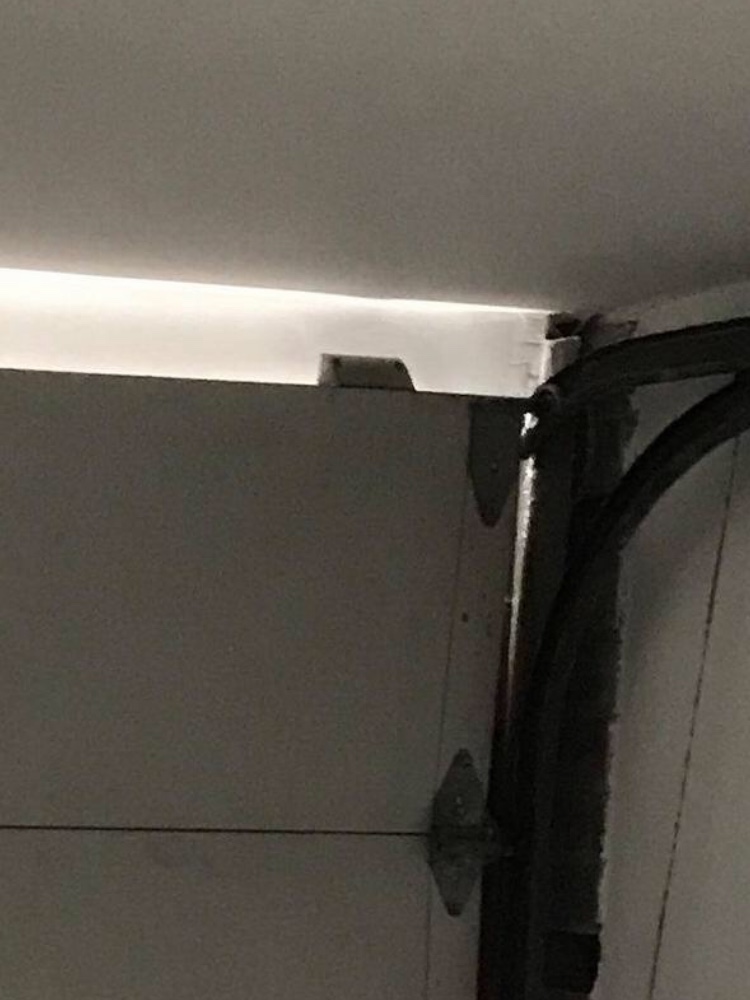
Is your garage door opener will not close all the way? You’re not alone. This frustrating issue affects thousands of homeowners every year, leaving garages partially open and compromising security. Whether it’s a sensor misalignment, track obstruction, or programming glitch, understanding the root cause is the first step toward a reliable fix.
Why Won’t My Garage Door Close Completely?
When your garage door stops short of fully closing, it’s typically triggered by one of several common issues. The most frequent culprit is the safety reversal system, which prevents the door from closing if it detects an obstacle. Other potential causes include:
- Misaligned or dirty safety sensors
- Obstructed tracks or rollers
- Incorrect limit switch settings
- Remote control or wall button issues
- Weather-related expansion/contraction
According to the International Door Association, approximately 70% of garage door service calls involve safety sensor problems. Understanding these common causes helps you diagnose the issue more effectively.
How Do I Check and Align Safety Sensors?
Safety sensors are the most common reason why a garage door opener will not close all the way. These infrared beams, located near the bottom of your garage door tracks, must be properly aligned for the door to close completely.
Step-by-Step Sensor Alignment:
- Locate the sensors: Find the small plastic units on both sides of your garage door, about 6 inches above the floor
- Check the indicator lights: Most sensors have LED lights that show their status
- Solid green light = properly aligned
- Blinking or no light = misaligned or malfunctioning
- Clean the sensor lenses: Use a soft, dry cloth to remove dust, dirt, or spider webs
- Adjust the alignment: Loosen the mounting brackets slightly and adjust until both sensors face each other directly
- Test the door: Try closing the door after each adjustment
Pro Tip: If sunlight directly hits your sensors during certain times of day, it can interfere with the infrared beam. Consider installing sun shields or adjusting the sensor angle slightly.
What Should I Do About Track Obstructions?
Physical obstructions in your garage door tracks can prevent complete closure. Even small debris like leaves, pebbles, or built-up grease can trigger the safety mechanism.
Inspection Checklist:
| Component | What to Look For | Solution |
|---|---|---|
| Tracks | Dents, bends, or debris | Clean with brush, straighten if bent |
| Rollers | Worn, cracked, or stuck | Replace if damaged, lubricate if stiff |
| Hinges | Loose bolts or wear | Tighten bolts, replace worn hinges |
| Cables | Fraying or loose tension | Call professional if cables are damaged |
Regular maintenance every 6 months can prevent most track-related issues. Use a silicone-based lubricant on moving parts, but avoid oil-based products that attract dirt.
How Do I Adjust the Limit Switches?
Limit switches tell your garage door opener when to stop moving up or down. If these are incorrectly set, your door may stop short of fully closing.
Adjustment Process:
- Locate the limit adjustment screws: Usually found on the side of the motor unit
- Identify the down/closing limit: Often marked with a down arrow or “D”
- Make small adjustments: Turn the screw 1/8 turn at a time
- Test after each adjustment: Close the door and observe where it stops
- Fine-tune as needed: Continue adjusting until the door closes completely and seals properly
Warning: Never force the door closed if it’s reversing. This indicates a safety issue that needs proper diagnosis.
For detailed technical specifications about garage door opener mechanisms, you can reference Wikipedia’s article on garage door openers.
Could Weather Be Affecting My Garage Door?
Temperature changes significantly impact garage door operation. Wood doors expand in humidity and contract in cold weather, while metal components can stick in extreme temperatures.
Seasonal Considerations:
- Summer: Heat expansion may cause binding in tracks
- Winter: Cold contraction can create gaps; ice buildup blocks sensors
- Spring/Fall: Temperature fluctuations affect door balance
If you notice seasonal patterns in your door’s behavior, consider:
- Installing weather stripping to reduce temperature effects
- Using dehumidifiers in humid climates
- Applying cold-weather lubricants in winter
When Should I Call a Professional?
While many garage door issues can be DIY-fixed, some situations require professional assistance:
Call a Professional If:
- Springs are broken or damaged (extremely dangerous)
- Cables are frayed or snapped
- The door feels unusually heavy or unbalanced
- Electrical components show signs of damage
- Multiple attempts at fixing haven’t resolved the issue
The average cost for professional garage door service ranges from $150-$400, depending on the issue. However, attempting complex repairs without proper knowledge can lead to injury or further damage.
FAQ Section
Q: Why does my garage door reverse before touching the ground?
A: This typically indicates misaligned safety sensors or excessive force settings. Check sensor alignment first, then adjust the force settings if needed. The door should reverse only when it encounters actual resistance.
Q: Can I bypass the safety sensors temporarily?
A: While technically possible, never bypass safety sensors as they prevent serious injury or property damage. Instead, fix the underlying sensor issue. Most sensor problems are simple alignment or cleaning fixes.
Q: How often should I maintain my garage door?
A: Perform basic maintenance every 6 months, including cleaning sensors, lubricating moving parts, and checking hardware tightness. Annual professional inspection is recommended for comprehensive safety checks.
Q: Will resetting my garage door opener fix closing issues?
A: Resetting may help if the issue is programming-related, but it won’t fix mechanical problems like sensor misalignment or track obstructions. Try resetting only after ruling out physical issues.
Q: My garage door closes fine sometimes but not others. Why?
A: Intermittent closing issues often relate to environmental factors like sunlight interference with sensors, temperature changes affecting door balance, or loose connections. Monitor when the problem occurs to identify patterns.
Q: Is it safe to use my garage door if it won’t close completely?
A: No, an incompletely closed garage door compromises home security and may indicate underlying safety issues. Address the problem promptly to prevent potential accidents or security breaches.
Conclusion
Dealing with a garage door opener will not close all the way doesn’t have to be overwhelming. By systematically checking safety sensors, clearing track obstructions, and adjusting limit switches, most homeowners can resolve this common issue. Remember, regular maintenance prevents most problems, and knowing when to call a professional ensures your family’s safety.
Don’t let a partially open garage door compromise your home’s security or your peace of mind. Share this guide with friends and family who might face similar issues, and bookmark it for future reference. Your garage door should operate smoothly and safely—now you have the knowledge to make it happen!
Have you successfully fixed your garage door using these tips? Share your experience in the comments below!
Leave a Reply