Introduction
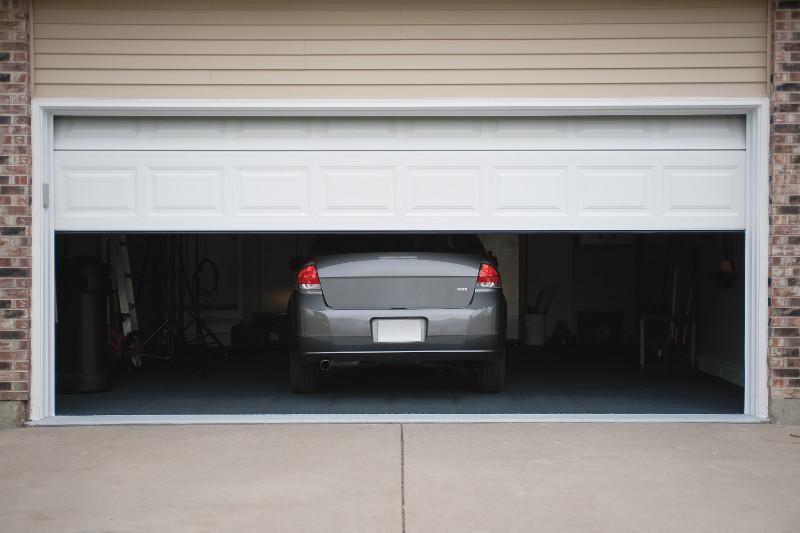
There is nothing more frustrating than rushing to leave for work or return home, only to watch your garage door lift slightly and then abruptly halt. You press the button again, but the result is the same: your garage door only opens a few inches and stops. This common issue can leave you stranded or worried about security, but the good news is that it is rarely a catastrophic failure. In most cases, the problem stems from a simple misalignment, a blocked sensor, or a minor mechanical obstruction that you can identify with a little know-how.
In this guide, we will walk you through the most likely causes of this behavior and provide step-by-step solutions to get your door moving smoothly again. Whether you are a seasoned DIY enthusiast or a complete beginner, these troubleshooting steps are designed to be safe, clear, and effective. Let’s dive in and get your garage back in working order.
Why Does My Garage Door Stop After Opening Slightly?
Before grabbing your tools, it is essential to understand why this happens. Modern garage doors are equipped with sophisticated safety mechanisms designed to prevent injury and property damage. When the system detects resistance, an obstruction, or a signal error, it defaults to a “stop” or “reverse” mode.
According to industry standards, garage door openers manufactured after 1993 are required by federal law to have auto-reverse mechanisms. If your door opens only a few inches, it is likely triggering one of these safety protocols prematurely. Identifying which protocol is being triggered is the key to fixing the problem.
Check the Safety Sensors First
The most common culprit for a garage door that starts to open and then immediately stops or reverses is the photo-eye sensor system. These small devices are located near the bottom of the door tracks on both sides. They emit an invisible beam of light; if this beam is interrupted, the door assumes there is an object (like a child, pet, or box) in the way and stops.
How to Inspect and Align Sensors
- Look for the Lights: Most sensors have an LED light. Typically, one side has a green light (power) and the other has an amber or red light (beam alignment). If the amber light is blinking or off, the sensors are misaligned.
- Clean the Lenses: Dust, spiderwebs, or dirt can block the infrared beam. Wipe the lenses gently with a soft, dry cloth.
- Check Alignment: Ensure both sensors are pointing directly at each other. Even a slight bump from a car or lawn mower can knock them out of line. Loosen the wing nut, adjust the bracket until the lights stabilize, and tighten it back.
If the sensors are aligned and clean but the door still stops, the issue may lie elsewhere. However, never bypass the sensors to test the door, as this removes a critical safety feature.
Inspect the Tracks and Rollers for Obstructions
If your sensors are functioning correctly, the next place to look is the physical path of the door. Garage doors travel along metal tracks, and any debris or damage here can cause the door to bind and stop.
Common Track Issues
- Debris Buildup: Leaves, twigs, or small rocks can get lodged in the track. Use a vacuum or a stiff brush to clear the tracks completely.
- Bent Tracks: Look for any dents or bends in the metal rails. Even a minor bend can cause the rollers to jam. If you see significant damage, it is best to call a professional, as forcing the door can worsen the bend.
- Loose Hardware: Check the bolts and brackets that hold the tracks to the wall and ceiling. Vibration from daily use can loosen these over time. Tighten any loose screws with a socket wrench, but do not overtighten, as this can distort the track shape.
Evaluate the Garage Door Springs
The springs are the heavy-lifting components of your garage door system. They counterbalance the weight of the door, making it easy for the opener to lift. If a spring is broken or losing tension, the opener may struggle to lift the door more than a few inches before its motor overheats or triggers a safety stop.
Signs of Spring Failure
- Visible Gap: Look at the torsion spring (the large spring above the door). If you see a visible gap in the coils, it is broken.
- Loud Bang: Did you hear a loud noise resembling a gunshot recently? This is often the sound of a spring snapping.
- Heavy Door: Try lifting the door manually (with the opener disconnected). If it feels extremely heavy and does not stay open when lifted halfway, the springs are likely faulty.
Safety Warning: Garage door springs are under extreme tension. Never attempt to repair or replace torsion springs yourself. This task requires specialized tools and training. Contact a licensed garage door technician for spring repairs to avoid serious injury.
Adjust the Travel Limits and Force Settings
If the mechanical components seem fine, the issue might be with the opener’s internal settings. Garage door openers have “travel limits” that tell the motor how far to open and close the door. If these settings are incorrect, the door may stop prematurely.
How to Adjust Travel Limits
- Locate the Adjustment Screels: On most modern openers, there are two screws or buttons labeled “Up Limit” and “Down Limit” on the motor unit. Refer to your owner’s manual for the exact location.
- Test the Door: Press the wall button to open the door. If it stops short, turn the “Up Limit” screw slightly in the direction indicated by the arrows (usually clockwise) to increase the travel distance.
- Small Adjustments: Make adjustments in small increments (quarter-turns). Test the door after each adjustment. Over-adjusting can cause the door to hit the header or strain the motor.
Additionally, check the “Force” settings. If the force is set too low, the opener may interpret normal friction as an obstruction and stop. Increase the force setting slightly if the door struggles to start moving, but ensure it still reverses when it hits an obstacle.
Lubricate Moving Parts
Friction is the enemy of smooth operation. Over time, the rollers, hinges, and bearings can become dry and gritty, causing the door to stick. Regular lubrication can prevent many issues, including the door stopping after a few inches.
Best Practices for Lubrication
- Use the Right Lubricant: Avoid WD-40, as it is a degreaser and can attract more dust. Instead, use a silicone-based spray or lithium grease specifically designed for garage doors.
- Target Key Areas: Apply lubricant to the rollers, hinges, and the torsion spring (lightly). Do not lubricate the tracks themselves, as this can cause the rollers to slip.
- Frequency: Lubricate your garage door components at least twice a year, ideally in spring and fall.
For more detailed information on garage door maintenance standards, you can refer to general home improvement guidelines on Wikipedia.
When to Call a Professional
While many issues can be resolved with DIY troubleshooting, some situations require professional expertise. If you have checked the sensors, cleared the tracks, and adjusted the limits without success, it may be time to call a technician.
Call a pro if:
- The springs are broken or damaged.
- The cables are frayed or loose.
- The motor makes grinding noises but the door does not move.
- You are uncomfortable performing any of the steps above.
Investing in professional repair ensures your door operates safely and extends its lifespan.
FAQ Section
Q: Can a weak remote battery cause the door to stop after opening slightly?
A: Unlikely. A weak battery usually prevents the door from starting at all or causes intermittent response. If the door starts moving and then stops, the issue is mechanical or sensor-related, not the remote.
Q: Why does my garage door open a few inches and then go back down?
A: This is typically a sensor issue. The safety eyes detect an obstruction (real or perceived) and trigger the auto-reverse feature. Check for alignment, dirt, or sunlight interference on the sensors.
Q: Is it dangerous to keep using a garage door that stops partially?
A: Yes. Forcing a malfunctioning door can damage the motor, strip gears, or break springs. It also compromises home security. Address the issue promptly to avoid costly repairs later.
Q: How much does it cost to fix a garage door that won’t open fully?
A: Costs vary widely. Simple sensor realignment may cost $50–$100 if you hire a pro, while spring replacement can range from $150 to $350. DIY fixes for lubrication or limit adjustments are nearly free.
Q: Can weather affect my garage door’s operation?
A: Absolutely. Extreme cold can thicken lubricants and contract metal tracks, causing binding. Heat can expand tracks. Seasonal maintenance helps mitigate these effects.
Conclusion
Dealing with a garage door only opens a few inches and stops can be stressful, but it is usually a solvable problem. By systematically checking your safety sensors, clearing track obstructions, inspecting springs, and adjusting travel limits, you can often restore full functionality without expensive repairs. Remember, regular maintenance is the best prevention against future issues.
If you found this guide helpful, please share it with friends or neighbors who might be facing similar garage woes. A well-functioning garage door is not just a convenience—it’s a key part of your home’s safety and security. Stay safe, and keep your door rolling smoothly!
Leave a Reply