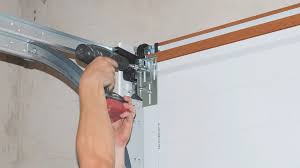
Is your garage door stuck because the wheels jumped off the track? You’re not alone—this is one of the most common garage door problems homeowners face. Learning how to get wheel back on garage door track can save you hundreds of dollars in repair costs and get your garage functioning again quickly.
Why Do Garage Door Wheels Come Off the Track?
Before diving into the repair process, it’s essential to understand why this problem occurs in the first place. Garage door rollers typically derail due to several common reasons:
- Loose or damaged tracks: Over time, vibrations from daily use can loosen the bolts holding the tracks in place
- Worn-out rollers: Rollers have a lifespan of 7-10 years and eventually wear down
- Impact damage: Hitting the door with a vehicle or object can bend the track
- Poor maintenance: Lack of regular lubrication and inspection accelerates wear
- Broken cables or springs: These components work together, and failure in one affects the entire system
According to the International Door Association, approximately 30% of garage door service calls involve track-related issues. Understanding the root cause helps prevent future occurrences.
Safety First: Essential Precautions Before Starting
Never attempt garage door repairs without proper safety measures. Garage doors weigh between 150-400 pounds, and the tension from springs can cause serious injury if handled incorrectly.
Required Safety Equipment:
- Safety glasses
- Work gloves
- Closed-toe shoes
- A helper (recommended for heavier doors)
Critical Warning:
If your garage door uses torsion springs (mounted above the door), do not attempt repairs yourself. Torsion springs store enormous energy and require professional handling. Only proceed with this repair if you have extension springs (located along the tracks) or if the issue is purely mechanical without spring involvement.
Tools and Materials You’ll Need
Gather these items before starting your repair:
| Tool/Material | Purpose |
|---|---|
| Adjustable wrench | Loosening and tightening bolts |
| Socket set | Removing track brackets |
| Rubber mallet | Gently realigning tracks |
| Level | Ensuring proper track alignment |
| Pliers | Holding components in place |
| Silicone-based lubricant | Preventing future derailments |
| Ladder | Reaching upper track sections |
| C-clamps or locking pliers | Securing the door during repair |
Step-by-Step Guide: How to Get Wheel Back on Garage Door Track
Follow these detailed steps to safely return your garage door wheels to the track:
Step 1: Secure the Garage Door
First, disconnect the garage door opener by pulling the emergency release cord. This prevents accidental activation during repairs. Next, close the door completely and secure it using C-clamps on both sides of the track, just below the bottom roller. This prevents the door from moving unexpectedly.
Step 2: Inspect the Damage
Examine both the track and rollers carefully. Look for:
- Bent or dented track sections
- Loose mounting brackets
- Damaged or worn rollers
- Debris inside the track
If you notice significant bending or damage, you may need professional assistance. Minor misalignments can typically be fixed at home.
Step 3: Loosen the Track Bolts
Using your adjustable wrench or socket set, slightly loosen the bolts securing the track brackets to the wall and ceiling. Do not remove them completely—just loosen enough to allow adjustment. Start with the section where the roller derailed, then work outward if needed.
Step 4: Reposition the Roller
Carefully lift the garage door slightly to relieve pressure on the derailed roller. Using pliers or your hands (with gloves), guide the roller back into the track channel. You may need to gently wiggle it into position. If the roller is damaged, consider replacing it now rather than reinstalling a worn component.
For reference on garage door components and their functions, visit Wikipedia’s garage door article for comprehensive technical information.
Step 5: Realign the Track
Once the roller is back in place, check the track alignment using your level. The vertical tracks should be perfectly plumb (vertical), and horizontal tracks should slope slightly downward toward the back of the garage (approximately 1/4 inch per foot). Use the rubber mallet to gently tap bent sections back into shape if necessary.
Step 6: Tighten All Bolts
After confirming proper alignment, systematically tighten all track bracket bolts. Work from the bottom up, ensuring each bolt is secure but not overtightened. Overtightening can warp the track and cause future problems.
Step 7: Test the Door Movement
Remove the C-clamps and manually operate the door several times. It should move smoothly without binding, jerking, or unusual noises. If you encounter resistance, recheck the alignment and roller positioning.
Step 8: Lubricate and Maintain
Apply silicone-based lubricant to the rollers, hinges, and track. Avoid oil-based products as they attract dirt and debris. Regular lubrication every 3-6 months prevents future derailments and extends component life.
Common Mistakes to Avoid
Many DIY enthusiasts make these errors when attempting this repair:
- Ignoring spring tension: Never work on doors with active spring tension
- Overtightening bolts: This warps tracks and creates new problems
- Using wrong lubricant: WD-40 is not a lubricant; use silicone spray instead
- Skipping inspection: Failing to identify underlying causes leads to repeat failures
- Working alone on heavy doors: Always have assistance for doors over 200 pounds
When to Call a Professional
While many derailments are simple fixes, certain situations require expert attention:
- Torsion spring systems: These are extremely dangerous for DIY repairs
- Severely bent tracks: May require complete track replacement
- Multiple derailed rollers: Indicates systemic alignment issues
- Cable damage: Frayed or broken cables need immediate professional repair
- Repeated derailments: Suggests underlying structural problems
Professional garage door technicians typically charge $150-$300 for track realignment services. However, this cost is worthwhile when dealing with complex or dangerous situations.
Preventive Maintenance Tips
Prevent future derailments with these maintenance practices:
Monthly Checks:
- Inspect tracks for debris and clean as needed
- Check roller condition for wear
- Verify all bolts remain tight
Quarterly Maintenance:
- Lubricate all moving parts
- Test door balance by disconnecting opener and manually lifting halfway
- Examine cables for fraying
Annual Professional Inspection:
- Have a certified technician inspect springs, cables, and overall system
- Replace worn rollers proactively (every 7-10 years)
FAQ Section
Q: Can I fix a derailed garage door wheel myself?
A: Yes, if you have extension springs and minor derailment. However, if your door has torsion springs or significant damage, hire a professional. Always prioritize safety and assess your comfort level with the repair.
Q: How much does it cost to fix a derailed garage door?
A: DIY repairs cost $20-$50 for tools and lubricant. Professional repairs range from $150-$300 for simple realignment to $400-$600 if parts need replacement. Costs vary by location and severity.
Q: Why does my garage door keep coming off the track?
A: Recurring derailments usually indicate loose track brackets, worn rollers, or improper alignment. Address the root cause rather than just repositioning the wheel. Consider professional assessment if problems persist.
Q: How long does it take to put a garage door wheel back on track?
A: For experienced DIYers, the repair takes 30-60 minutes. Beginners may need 1-2 hours. Factor in additional time for inspection and preventive maintenance.
Q: What type of lubricant should I use on garage door tracks?
A: Use silicone-based spray lubricant specifically designed for garage doors. Avoid petroleum-based products like WD-40, which attract dirt and provide inadequate long-term lubrication. Apply every 3-6 months for optimal performance.
Q: Is it dangerous to fix a garage door track myself?
A: It can be if proper precautions aren’t taken. The primary dangers come from spring tension and the door’s weight. If you’re unsure about any aspect, especially regarding springs, always consult a professional. Your safety is more valuable than saved repair costs.
Conclusion
Learning how to get wheel back on garage door track empowers you to handle common garage door issues confidently and economically. By following proper safety protocols, using the right tools, and addressing root causes, you can restore your garage door’s functionality while preventing future problems.
Remember that regular maintenance is key to avoiding costly repairs. Schedule annual professional inspections, perform monthly visual checks, and keep moving parts properly lubricated. These simple habits extend your garage door’s lifespan and ensure reliable operation for years to come.
Did this guide help you fix your garage door? Share this article with friends and family who might face similar issues. Your experience could save someone else time, money, and frustration. Don’t forget to bookmark this page for future reference!
Leave a Reply