Introduction
There is nothing quite as unsettling as hearing your garage door activate in the middle of the night. You check your remote, but it’s safely inside your house. This phantom activity is more common than you might think, and it can be a significant security risk. If your garage door keeps opening and closing on its own, you are likely dealing with a specific mechanical or electronic glitch rather than a supernatural event. In this guide, we will walk you through the most effective troubleshooting steps to regain control of your home’s entryway.
Why Does My Garage Door Act Like It Has a Mind of Its Own?
Before diving into repairs, it is crucial to understand the root causes. Modern garage doors are complex systems involving sensors, radio frequencies, and mechanical tension. When one component fails, the entire system can behave erratically. According to industry experts, nearly 80% of “ghost” openings are caused by simple interference or misalignment rather than major motor failure.
1. Check for Radio Frequency Interference
One of the most frequent culprits is signal interference. Your garage door opener operates on a specific radio frequency (usually 315 MHz or 390 MHz). If a neighbor has a similar opener, or if there are other wireless devices nearby, they might be accidentally triggering your door.
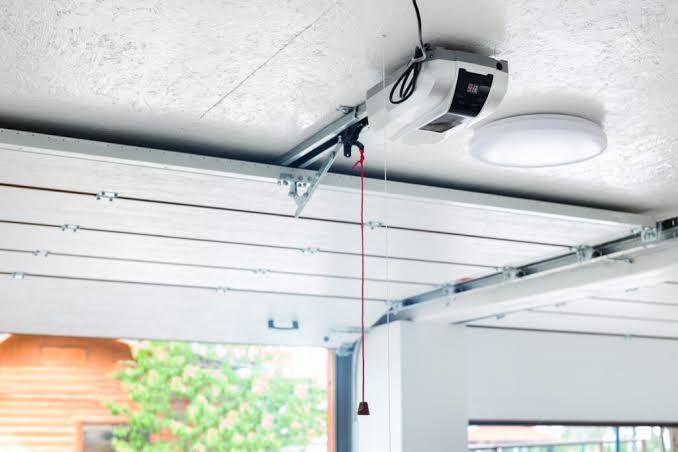
- LED Light Bulbs: Certain energy-efficient LED bulbs emit electromagnetic interference that can disrupt the opener’s receiver. Try replacing the light bulb in your opener unit with an incandescent bulb or a manufacturer-approved LED to see if the problem stops.
- Nearby Transmitters: Check if new wireless devices, such as baby monitors or ham radios, have been installed nearby.
2. Inspect the Wall Control Panel
The wall-mounted control panel inside your garage is a common source of unintended activation. If the buttons are sticky, damaged, or short-circuiting due to moisture, they may send continuous signals to the motor.
Step-by-Step Inspection:
- Disconnect the opener from power.
- Remove the cover of the wall control panel.
- Check for signs of corrosion or water damage.
- Ensure the wires are not touching each other or the metal box.
- Reconnect power and test. If the door still moves, disconnect the wall panel wires from the motor head entirely. If the ghostly behavior stops, you need to replace the wall control unit.
3. Misaligned Safety Sensors
Your garage door is equipped with photo-eye sensors near the floor on both sides of the door. These are safety features designed to prevent the door from closing on objects, people, or pets. If these sensors are misaligned, dirty, or blocked, the door may reverse immediately after attempting to close, creating the illusion that it is opening and closing repeatedly.
| Sensor Issue | Symptom | Quick Fix |
|---|---|---|
| Misalignment | Door reverses immediately upon closing | Adjust brackets until indicator lights are solid green |
| Dirty Lens | Intermittent reversal | Wipe lenses with a soft, dry cloth |
| Sunlight Interference | Door fails to close during certain times of day | Install a shade or adjust sensor angle |
For a deeper understanding of how these safety mechanisms work, you can refer to the general principles of automatic door safety standards outlined by industry regulators.
4. Faulty Remote Controls
A remote control stuck in a purse, glove compartment, or under a car seat can easily press the button inadvertently. This is known as “pocket dialing” for garage doors.
- Check all remotes: Ensure no buttons are physically stuck.
- Battery issues: Weak batteries can sometimes send erratic signals. Replace them with fresh ones.
- Reprogram: If you suspect a remote is compromised, clear the memory of your opener and reprogram only the remotes you currently use.
5. Limit Switch Problems
The limit switches tell the motor when to stop moving up or down. If these are set incorrectly, the door may hit the floor and immediately reverse, thinking it has encountered an obstacle. Alternatively, it may not open fully and then drop back down.
How to Adjust Limit Switches:
- Locate the adjustment screws on the motor unit (usually labeled “Up” and “Down”).
- Use a screwdriver to make small adjustments (quarter-turn increments).
- Test the door after each adjustment.
- Caution: Do not over-tighten, as this can damage the motor or the door panels.
6. Wiring Issues
Frayed or pinched wires between the motor and the sensors or wall panel can cause short circuits. This is particularly common in older homes or after extreme weather events.
- Visually inspect all visible wiring for damage.
- Look for wires that may have been chewed by rodents.
- If you find damaged wiring, it is best to consult a professional technician, as working with electrical components can be hazardous.
7. Logic Board Malfunction
In rare cases, the main logic board of the garage door opener may be failing. This is the “brain” of the system. If all other troubleshooting steps fail, the board may be sending random signals due to internal component failure.
- Signs of a failing board: Burnt smell, visible capacitors leaking, or complete unresponsiveness followed by erratic behavior.
- Solution: Replacement of the logic board or the entire opener unit.
When to Call a Professional
While many issues can be resolved with DIY troubleshooting, some situations require expert assistance. You should contact a certified garage door technician if:
- The door makes loud grinding or scraping noises.
- The springs appear broken or loose (Never attempt to repair garage door springs yourself; they are under extreme tension and can cause serious injury).
- The door falls rapidly when disconnected from the opener.
- You are uncomfortable working with electrical components.
FAQ Section
Q: Can a power surge cause my garage door to open by itself?
A: Yes, power surges can reset the logic board of your garage door opener, causing it to behave erratically. Installing a surge protector specifically for your garage door opener can help prevent this issue.
Q: How do I know if my neighbor’s remote is operating my door?
A: If your door opens at random times and you have ruled out other causes, try changing the frequency code on your opener. Most modern openers allow you to “roll” the code, which creates a new unique signal that old remotes cannot access.
Q: Is it dangerous if my garage door keeps reversing?
A: It can be. While the reversal feature is a safety mechanism, constant reversing indicates a malfunction that could eventually lead to the door failing to close securely, compromising your home’s security. It also puts unnecessary strain on the motor.
Q: How often should I maintain my garage door to prevent these issues?
A: Experts recommend a bi-annual inspection. Lubricate moving parts, check sensor alignment, and test the auto-reverse feature monthly. Regular maintenance can extend the life of your opener by several years.
Q: Will resetting my garage door opener fix the problem?
A: Resetting the opener can clear temporary glitches and remove old remote codes. However, if the issue is mechanical (like a misaligned sensor or broken wire), a reset will not provide a permanent solution.
Conclusion
Dealing with a garage door keeps opening and closing on its own can be frustrating and concerning, but it is rarely an unsolvable mystery. By systematically checking for interference, inspecting sensors, and ensuring your controls are functioning correctly, you can often resolve the issue without costly repairs. Remember, safety is paramount. If you are ever in doubt, especially regarding springs or electrical wiring, prioritize professional assistance.
Did this guide help you silence your ghostly garage door? Share this article with friends and family who might be experiencing similar spooky symptoms! Let’s keep our homes secure and our nights quiet.
Leave a Reply