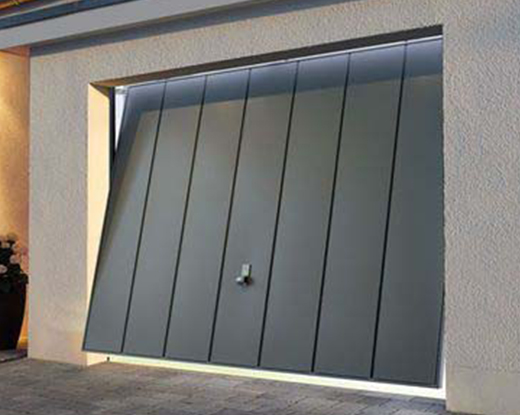
Has a ghost taken over your home? Waking up to find your garage door goes up and down on its own is not only unsettling but also a significant security risk for your family and belongings. You are not alone in this frustration; many homeowners face this “phantom operation” due to simple electronic glitches or mechanical wear that can be fixed without calling a professional immediately.
In this guide, we will break down exactly why this happens, how to diagnose the root cause safely, and the step-by-step solutions to stop it for good. Let’s reclaim control of your garage.
Why Does My Garage Door Operate Without Command?
Before diving into fixes, it is crucial to understand the mechanics. Modern garage doors are sophisticated systems involving radio frequencies, safety sensors, and tensioned springs. When a door moves unexpectedly, it is rarely a supernatural event—it is almost always a signal interference or a safety feature malfunction.
According to industry standards, most residential garage door openers operate on specific radio frequencies (usually 315 MHz or 390 MHz). If these signals get crossed or interrupted, the motor receives false “open” or “close” commands. Understanding this helps you approach the problem logically rather than panicking.
Top 5 Reasons Your Garage Door Moves Unexpectedly
To solve the problem, we must identify the culprit. Here are the most common causes, ranked by frequency.
1. Remote Control Malfunction
The most frequent offender is the remote control itself. Buttons can get stuck due to dirt, debris, or physical damage. Even if the button looks fine, internal contacts may be short-circuiting, sending a continuous signal to the opener.
- Check: Remove the batteries from all remotes. If the door stops moving randomly, one of the remotes is faulty.
- Fix: Clean the buttons with isopropyl alcohol or replace the remote entirely.
2. Safety Sensor Misalignment
Your garage door has photo-eye sensors near the floor on both sides. These are designed to reverse the door if an object is detected. If they are misaligned, dirty, or blocked by sunlight, they may send erratic signals causing the door to reverse mid-cycle or move unpredictably.
- Symptom: The door starts to close, then immediately goes back up.
- Fix: Ensure the LED lights on both sensors are solid (not blinking). Wipe the lenses with a soft cloth.
3. Radio Frequency Interference
Neighbors using similar frequencies, nearby radio towers, or even certain LED light bulbs can interfere with your opener’s signal. This is known as “signal bleed.”
- Data Point: A study by the Consumer Product Safety Commission highlights that older openers with fixed codes are more susceptible to interference than modern rolling-code systems. For more on safety standards, you can refer to general consumer safety guidelines on Wikipedia.
4. Faulty Wall Switch or Wiring
The wall-mounted control panel inside your garage can develop short circuits. Moisture, age, or frayed wires behind the switch can trigger the motor without any button press.
- Test: Disconnect the wall switch wires from the opener unit. If the random movement stops, the wall switch or its wiring is the issue.
5. Logic Board Glitches
The main circuit board (logic board) in the opener acts as the brain. Power surges or age can cause it to “freeze” or send erroneous commands.
- Solution: A hard reset often clears temporary glitches. Unplug the opener for 5 minutes, then plug it back in.
Step-by-Step Troubleshooting Guide
Follow these concrete steps to diagnose and fix the issue. Always prioritize safety—keep hands and feet clear of the door during testing.
Step 1: Perform a Hard Reset
- Unplug the garage door opener from the power source.
- Wait for 60 seconds to allow capacitors to discharge.
- Plug it back in.
- Test the door using the wall button only.
Step 2: Isolate the Remote Controls
- Take the batteries out of all remote controls and keypads.
- Observe the door for 1–2 hours.
- If the door stays still, reinsert batteries one by one to identify the faulty remote.
Step 3: Inspect the Safety Sensors
- Look at the small LED lights on the sensors near the floor.
- One should be green (power), and the other amber (alignment).
- If either is blinking or off, adjust the brackets until both lights are solid.
- Clean the lenses with a microfiber cloth.
Step 4: Check for Physical Obstructions
- Inspect the tracks for debris, rocks, or built-up grime.
- Ensure the door rollers are not binding.
- Lubricate moving parts with a silicone-based lubricant (avoid WD-40 as it attracts dust).
Comparison: DIY Fixes vs. Professional Help
Knowing when to call a pro is essential for safety and cost-effectiveness.
| Issue | DIY Difficulty | Risk Level | Recommended Action |
|---|---|---|---|
| Stuck Remote Button | Low | Low | Clean or replace remote |
| Sensor Misalignment | Low | Low | Realign and clean sensors |
| Logic Board Glitch | Medium | Low | Perform hard reset |
| Broken Springs | High | Critical | Call a Professional |
| Frayed Cables | High | Critical | Call a Professional |
| Motor Failure | Medium | Medium | Consult technician |
Warning: Never attempt to repair torsion springs or high-tension cables yourself. These components store immense energy and can cause severe injury or death if handled incorrectly.
How to Prevent Future Phantom Operations
Prevention is better than cure. Implement these maintenance habits to keep your garage door reliable.
- Annual Inspection: Have a certified technician inspect the springs, cables, and opener once a year.
- Battery Replacement: Change remote batteries every 6–12 months, even if they seem fine. Weak batteries can send erratic signals.
- Keep Sensors Clean: Make wiping down sensor lenses part of your monthly cleaning routine.
- Update Your Opener: If your opener is more than 10 years old, consider upgrading to a modern unit with rolling code technology and battery backup. Newer models are far less prone to interference.
FAQ Section
Q: Can a dead battery in my car cause the garage door to open?
A: No, a car battery has no connection to your garage door system. However, if you have a remote visor clip in your car, ensure it is not being pressed accidentally by items shifting in the vehicle.
Q: Why does my garage door go up and down on its own at night?
A: This is often due to temperature changes affecting the metal tracks or sensors, or increased radio frequency interference from neighbors who are home and using their devices. Check your sensors first, as thermal expansion can slightly shift their alignment.
Q: Is it dangerous if my garage door reverses randomly?
A: Yes. Random reversing indicates a safety sensor issue or a force setting problem. If the door does not reverse when it should (e.g., hitting an object), it poses a crushing hazard to children and pets. Address this immediately.
Q: How do I know if my garage door opener is hacked?
A: Hacking is rare with modern rolling-code openers. If you have an older fixed-code model, it is more vulnerable. If you suspect unauthorized access, reprogram all your remotes and change the access code on the wall panel. Consider upgrading to a smart opener with encryption.
Q: Will resetting my garage door opener erase my remote codes?
A: It depends on the model. A simple power cycle (unplugging) usually does not erase codes. However, performing a full factory reset via the “Learn” button will erase all paired remotes. You will need to reprogram them afterward. Consult your manual before pressing the reset button.
Conclusion
Dealing with a garage door goes up and down on its own is a stressful experience, but it is rarely a mystery. In most cases, the issue stems from simple culprits like stuck remote buttons, misaligned sensors, or minor electronic glitches. By following the troubleshooting steps outlined above, you can often resolve the problem quickly and safely without expensive repairs.
Remember, your garage door is the largest moving object in your home. Regular maintenance and prompt attention to weird behaviors ensure it remains safe and secure. If you found this guide helpful, please share it with your neighbors on social media—they might be dealing with the same phantom opener! Stay safe, and keep your garage secure.
Leave a Reply