Introduction
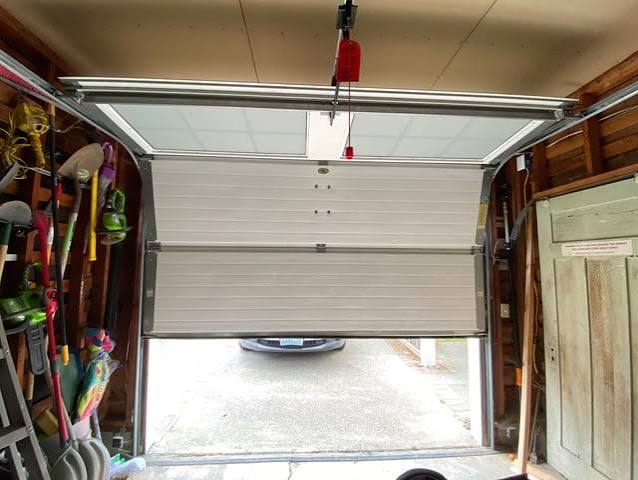
There is nothing quite as frustrating as watching your garage door descend smoothly, only to hit the concrete floor and immediately reverse direction. It feels like a glitch in the matrix, but in reality, it is a standard safety feature gone awry. If your garage door goes back up when it hits the ground, it indicates that the system believes it has encountered an obstruction, such as a child, a pet, or a vehicle.
While this mechanism is designed to protect your family, a malfunctioning door can leave you stranded or compromise your home’s security. In this guide, we will walk you through the most common causes—from misaligned sensors to incorrect force settings—and provide clear, step-by-step solutions to get your door closing properly again.
Why Does My Garage Door Reverse Upon Contact?
Before diving into fixes, it is crucial to understand why this happens. Modern garage door openers are equipped with two primary safety mechanisms mandated by federal law in the United States since 1993: photo-eye sensors and auto-reverse technology.
When the door touches the ground and reverses, it is usually because one of these systems is sending a “stop” signal to the motor. The opener interprets the resistance of the ground as an obstacle. According to industry standards, if the door meets more than a specific amount of resistance (usually around 20–40 pounds of force), it must reverse to prevent injury.
The Role of Photo-Eye Sensors
The most common culprit is the photo-eye sensor system. These small devices are located near the bottom of the garage door tracks on both sides. One emits an invisible infrared beam, and the other receives it. If the beam is broken, the door will not close, or it will reverse if it is already moving.
Sometimes, the door hits the ground, causing a slight vibration or shift in the track. If your sensors are barely aligned, this tiny movement can break the beam momentarily, triggering the reversal. For more detailed technical specifications on garage door safety standards, you can refer to the Consumer Product Safety Commission guidelines or general safety overviews on Wikipedia.
Step-by-Step Troubleshooting Guide
If your garage door goes back up when it hits the ground, follow these steps in order. Start with the easiest fixes before moving to mechanical adjustments.
1. Check and Clean the Safety Sensors
Misalignment or dirt is the number one cause of erratic door behavior.
- Inspect the Lights: Look at the LED lights on your sensors. Typically, one should be solid green (power) and the other solid amber or red (beam received). If the receiving light is blinking or off, the beam is blocked.
- Clean the Lenses: Use a soft, dry cloth to wipe away dust, spiderwebs, or mud from the sensor lenses. Even a thin layer of grime can disrupt the infrared signal.
- Realign the Brackets: Loosen the wing nuts on the sensor brackets slightly. Adjust the sensors until they are facing each other directly. You know they are aligned when the indicator light turns solid. Tighten the nuts carefully without shifting the angle.
2. Inspect the Track and Rollers
Physical obstructions can cause the door to bind, increasing resistance when it hits the floor.
- Look for Debris: Check the tracks for rocks, sticks, or hardened grease.
- Check Roller Condition: Worn-out rollers can cause the door to hang unevenly. If one side drags more than the other, the motor detects uneven resistance and reverses.
- Lubricate: Apply a silicone-based lubricant to the rollers and hinges. Avoid WD-40, as it attracts dust and can gum up the mechanism over time.
3. Adjust the Down Limit Switch
If the sensors are fine, the issue might be the “down limit” setting. This tells the motor how far to travel before stopping. If the limit is set too low, the door pushes hard against the ground, triggering the force sensitivity.
- Locate the Adjustment Screws: On most modern openers (like LiftMaster or Chamberlain), there are two screws or dials on the motor unit labeled “Up” and “Down” or represented by arrows.
- Make Small Adjustments: Turn the down limit screw slightly in the direction indicated to reduce the travel distance. A quarter-turn is often enough.
- Test the Door: Close the door. It should stop just as it touches the ground without pressing hard against it. If it hovers above the ground, adjust it further down. If it still reverses, adjust it up slightly.
4. Calibrate the Force Settings
The force setting determines how much power the motor uses to close the door. If it is set too low, the normal weight of the door hitting the rubber weatherstrip will feel like an obstruction.
- Find the Force Dial: Located near the limit switches on the motor head.
- Increase Force Slightly: Turn the dial toward the higher number or “+” sign. Do this incrementally.
- Safety Test: After adjusting, place a 2×4 piece of wood flat on the ground under the center of the door. Close the door. It should reverse immediately upon hitting the wood. If it does not reverse, the force is too high and dangerous. If it reverses before hitting the wood, it is too low.
Common Causes vs. Solutions Table
To help you diagnose the issue quickly, refer to this comparison table:
| Symptom | Likely Cause | Recommended Solution |
|---|---|---|
| Door reverses immediately after touching ground | Down limit set too low | Adjust down limit switch upward slightly |
| Door reverses before touching ground | Misaligned sensors | Clean and realign photo-eye sensors |
| Door struggles and reverses mid-way | Binding tracks or worn rollers | Lubricate tracks and inspect rollers |
| Door reverses only on sunny days | Sunlight interfering with sensors | Install sensor sun shields or shade them |
| Motor hums but door doesn’t move | Broken spring or cable | Call a professional (High danger) |
When to Call a Professional
While many issues related to a garage door goes back up when it hits the ground scenario can be fixed DIY, some problems require expert attention. Garage doors are under extreme tension, particularly the torsion springs.
Do not attempt to repair or replace springs yourself. A broken spring can release enough energy to cause severe injury or death. If you notice:
- A loud bang followed by the door not opening.
- Cables that are frayed or loose.
- The door falling rapidly when disconnected from the opener.
Contact a licensed garage door technician immediately. According to the International Door Association, improper handling of garage door springs accounts for thousands of emergency room visits annually.
FAQ Section
Q: Can sunlight cause my garage door to reverse?
A: Yes. Direct sunlight can sometimes overwhelm the infrared receiver on the photo-eye sensor, making it think the beam is broken. If this happens only at certain times of day, try shading the sensors with a small cardboard tube or installing aftermarket sun shields.
Q: My door reverses only when it’s cold outside. Why?
A: Temperature changes can affect the lubrication in your tracks and the tension in your springs. Cold weather makes lubricants thicker and metal contracts, increasing friction. Try applying fresh, cold-weather-rated silicone lubricant to the tracks and rollers.
Q: Is it safe to bypass the sensors to make the door close?
A: No. Bypassing safety sensors is extremely dangerous and illegal in many jurisdictions. The sensors are there to prevent the door from crushing people, pets, or objects. Always fix the underlying issue rather than disabling safety features.
Q: How often should I maintain my garage door?
A: Experts recommend a basic inspection and lubrication every six months. Check the balance of the door, test the auto-reverse feature, and listen for unusual noises. Annual professional maintenance is also advisable to catch wear and tear early.
Q: What if the remote works but the wall button doesn’t?
A: This usually indicates a wiring issue between the wall console and the motor unit, or a locked control panel. Check if the “Lock” feature is enabled on your wall console. If not, inspect the wires for breaks or loose connections.
Conclusion
Dealing with a situation where your garage door goes back up when it hits the ground is annoying, but it is rarely a catastrophic failure. In most cases, a simple cleanup of the sensors or a minor adjustment to the limit switches will resolve the issue completely. By understanding how these safety mechanisms work, you can maintain a secure and functional garage door without unnecessary stress.
Remember, safety always comes first. If you are ever unsure about adjusting springs or cables, prioritize your well-being and call a professional.
Did this guide help you fix your garage door? Share this article with your neighbors on Facebook or Twitter to help them troubleshoot their home maintenance issues too!
Leave a Reply