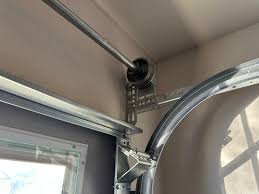
There is nothing quite as frustrating as watching your garage door refuse to close properly. You press the button, watch it descend smoothly, and then—just as it’s about to seal shut—it reverses and goes back up. If you are dealing with a situation where your garage door goes 3/4 down then back up, you are not alone. This is one of the most common issues homeowners face, and while it can be alarming, it is usually caused by a simple safety feature or a minor mechanical obstruction.
In this guide, we will walk you through exactly why this happens, how to diagnose the problem yourself, and the steps to fix it safely. Whether you are a DIY enthusiast or just want to understand what’s going on before calling a professional, this article has you covered.
Why Does My Garage Door Reverse Before Closing?
Before jumping into repairs, it is crucial to understand why your garage door behaves this way. Modern garage doors are equipped with sophisticated safety mechanisms designed to prevent injury and property damage. When your garage door goes 3/4 down then back up, it is essentially “thinking” that something is in its path.
According to federal safety standards established in the United States, all residential garage door openers manufactured after 1993 must have an auto-reverse feature. This means if the door encounters any resistance while closing, it must immediately stop and reverse direction. While this is a vital safety feature, it can become overly sensitive or malfunction due to dirt, misalignment, or wear and tear.
The Role of Safety Sensors
The most common culprit behind this issue is the photo-eye safety sensors. These small devices are located near the bottom of your garage door tracks, usually about 6 inches off the ground. They emit an invisible beam of light across the doorway. If this beam is interrupted—even by a spiderweb, dust, or slight misalignment—the opener assumes an object (or a person) is in the way and triggers the reverse mechanism.
For more detailed technical specifications on garage door safety standards, you can refer to the U.S. Consumer Product Safety Commission guidelines or general safety overviews on Wikipedia.
Top 5 Causes and How to Fix Them
If your garage door goes 3/4 down then back up, check these five common causes in order. Start with the easiest fixes first.
1. Misaligned or Dirty Safety Sensors
This is the number one reason for partial closing and reversing. If the sensors are not pointing directly at each other, the beam is broken.
How to Fix:
- Check the Lights: Look at the LED lights on both sensors. One should be solid green (power), and the other should be solid amber or red (receiving). If the receiving light is blinking or off, they are misaligned.
- Clean the Lenses: Use a soft, dry cloth to wipe away any dust, cobwebs, or dirt from the sensor lenses.
- Realign the Brackets: Loosen the wing nuts on the sensor brackets slightly. Adjust the sensors until both LED lights are solid. Tighten the nuts carefully without moving the sensors.
2. Obstructions in the Track
Even a small pebble, twig, or buildup of hardened grease can cause the door to encounter resistance. The opener’s force setting detects this resistance and reverses the door to prevent damage.
How to Fix:
- Visually inspect the entire length of both vertical and horizontal tracks.
- Remove any debris using a brush or vacuum.
- Check for dents in the track that might cause the rollers to jump or bind.
3. Incorrect Limit Settings
Garage door openers have “travel limit” settings that tell the motor how far to go up and down. If the down limit is set incorrectly, the door may think it has hit the floor before it actually has, causing it to reverse.
How to Fix:
- Locate the limit adjustment screws on your opener motor unit. They are usually labeled “Up” and “Down” or have arrows.
- Turn the “Down” limit screw slightly (usually clockwise) to allow the door to travel further.
- Test the door. Repeat in small increments until the door closes fully and seals against the weather stripping.
4. Worn or Damaged Weather Stripping
If the rubber weather stripping at the bottom of your door is torn, bunched up, or too thick, it can create excessive friction against the floor. The opener interprets this friction as an obstruction.
How to Fix:
- Inspect the bottom seal for cracks or bunching.
- If it is bunched, try to smooth it out.
- If it is damaged, replace it with a new universal garage door bottom seal. Ensure the new seal is not too thick for your specific door model.
5. Force Setting Issues
Modern openers have adjustable force settings. If the “close force” is set too low, the door will reverse at the slightest resistance. If it is set too high, it becomes a safety hazard.
How to Fix:
- Find the force adjustment knobs on the motor unit.
- Increase the close force slightly (turn clockwise).
- Safety Test: After adjusting, place a 2×4 piece of wood flat on the floor under the center of the door. Close the door. It should reverse immediately upon hitting the wood. If it does not reverse, the force is too high and dangerous. If it reverses before touching the wood, the force is too low.
Quick Comparison: Sensor Issues vs. Mechanical Issues
| Symptom | Likely Cause | Difficulty to Fix |
|---|---|---|
| Door reverses immediately after starting to close | Dirty/Misaligned Sensors | Easy (DIY) |
| Door goes 3/4 down then reverses | Obstruction in Track or Limit Setting | Moderate (DIY) |
| Door makes grinding noise then reverses | Broken Spring or Gear | Hard (Call Pro) |
| Door reverses only on sunny days | Sunlight interfering with sensors | Easy (DIY) |
Step-by-Step Tutorial: Resetting Your Garage Door Opener
Sometimes, the electronics in your opener just need a fresh start. If you have checked the sensors and tracks and the garage door goes 3/4 down then back up, try a full reset.
- Unplug the Opener: Disconnect the power cord from the outlet. Wait for 30 seconds to ensure all capacitors are discharged.
- Disconnect the Battery Backup: If your unit has a battery backup, disconnect it as well.
- Reconnect Power: Plug the opener back in. Listen for the light bulb to flash or the unit to beep, indicating it is ready.
- Reprogram the Remote: Follow your manufacturer’s instructions to re-sync your remote controls and keypad.
- Test the Door: Use the wall button to operate the door. This often clears minor electronic glitches.
FAQ Section
Q: Can sunlight cause my garage door to reverse?
A: Yes, direct sunlight can interfere with the infrared beam of the safety sensors, especially in the late afternoon. If your garage door goes 3/4 down then back up only at certain times of day, try shading the sensors with a small cardboard tube or adjusting their angle slightly.
Q: Is it safe to bypass the safety sensors?
A: No, it is never recommended to bypass safety sensors. They are critical for preventing injury to children, pets, and adults. Bypassing them violates safety codes and voids most warranties. Always fix the underlying issue instead.
Q: Why does my door reverse when it’s cold outside?
A: Cold weather can cause metal tracks to contract and lubricants to thicken, increasing friction. It can also affect the battery performance in wireless keypads. Lubricate your tracks with a silicone-based spray (not WD-40) and check your sensor alignment.
Q: How do I know if my garage door springs are broken?
A: If the door feels extremely heavy when you try to lift it manually, or if you hear a loud bang from the garage, a spring may be broken. Do not attempt to fix springs yourself. They are under high tension and can cause severe injury. Call a professional immediately.
Q: What if the door still reverses after trying all these fixes?
A: If you have cleaned sensors, cleared tracks, adjusted limits, and reset the opener, but the garage door goes 3/4 down then back up, there may be an internal issue with the opener’s logic board or motor. At this point, it is best to contact a certified garage door technician for a diagnostic.
Conclusion
Dealing with a garage door goes 3/4 down then back up issue can be stressful, but it is rarely a catastrophic failure. In most cases, a simple cleanup of the safety sensors or a minor adjustment to the travel limits will resolve the problem quickly and safely. By understanding how your door’s safety features work, you can maintain your system effectively and avoid unnecessary repair costs.
Remember, safety always comes first. If you are ever unsure about a repair, especially involving springs or high-tension components, do not hesitate to call a professional.
Did this guide help you fix your garage door? Share this article with your neighbors or on social media to help others solve this common headache!
Leave a Reply