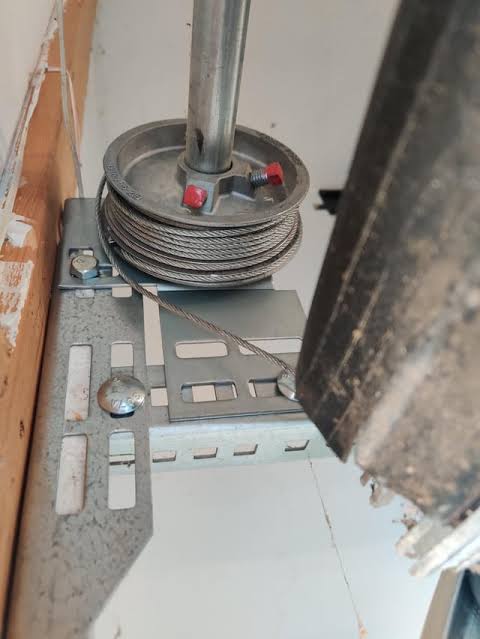
Is your garage door cable loose on one side when open? This common issue can be alarming, but understanding the cause is the first step toward a safe solution. A loose cable isn’t just an inconvenience; it’s a potential safety hazard that can lead to further damage if ignored. In this guide, we’ll walk you through why this happens, how to assess the situation, and whether you can fix it yourself or need professional help.
Why Does My Garage Door Cable Become Loose on One Side?
Before attempting any repairs, it’s crucial to understand why the cable became loose in the first place. Garage doors are heavy, complex systems under significant tension. When one cable appears looser than the other, it’s rarely an isolated incident.
Common Causes of Uneven Cable Tension
- Worn or Damaged Pulleys: The cables run over pulleys at the top of the door tracks. If a pulley is cracked, chipped, or seized, it won’t rotate smoothly, causing the cable to slacken.
- Broken or Stretched Cable: Over time, steel cables can fray, stretch, or even snap. If one cable has stretched more than the other, it will appear loose.
- Misaligned Tracks: If the vertical or horizontal tracks are bent or out of alignment, the door won’t travel evenly, putting uneven pressure on the cables.
- Loose Cable Drum: The cables wrap around drums attached to the torsion spring shaft. If the set screws holding the drum to the shaft have loosened, the cable will slip.
- Spring Issues: The torsion or extension springs provide the counterbalance for the door. If a spring is broken or losing tension, it can cause uneven lifting, leading to loose cables.
According to the International Door Association (IDA), improper maintenance is a leading cause of garage door failures. Regular inspections can catch these issues before they become dangerous. For more information on garage door components, you can refer to Wikipedia’s article on overhead doors.
Is It Safe to Use My Garage Door with a Loose Cable?
The short answer is no. Operating a garage door with a loose cable is risky and should be avoided. Here’s why:
- Risk of Further Damage: A loose cable can jump off its pulley or drum, causing the door to fall unexpectedly. This can damage the door panels, tracks, and even your vehicle.
- Safety Hazard: Garage doors weigh hundreds of pounds. A sudden failure can cause serious injury or property damage.
- Strain on Other Components: When one cable is loose, the other cable and the opener motor must work harder, leading to premature wear and tear.
Immediate Action: If you notice a loose cable, stop using the door immediately. Disconnect the opener by pulling the emergency release cord (usually a red rope) and manually secure the door in the closed position if possible.
How to Diagnose a Loose Garage Door Cable
Before calling a professional or attempting a DIY fix, perform a visual inspection. Warning: Do not touch or attempt to adjust the springs yourself. Torsion springs are under extreme tension and can cause severe injury if handled incorrectly.
Step-by-Step Visual Inspection
- Disconnect the Opener: Pull the emergency release cord to disconnect the door from the automatic opener.
- Close the Door Manually: Carefully lower the door until it is fully closed.
- Inspect the Cables: Look at both cables on either side of the door. Check for:
- Fraying or broken strands.
- Visible gaps between the cable and the drum.
- Signs of rust or corrosion.
- Check the Pulleys: Ensure the pulleys at the top of the tracks spin freely and are not damaged.
- Examine the Drums: Verify that the cables are tightly wound around the drums and that the set screws are secure.
- Look at the Tracks: Check for bends, dents, or misalignment in the vertical and horizontal tracks.
If you see any significant damage, such as a frayed cable or a broken pulley, do not attempt to repair it yourself. Call a licensed garage door technician.
Can I Fix a Loose Garage Door Cable Myself?
Whether you can fix a loose cable depends on the root cause. Minor issues, such as a slightly loose set screw on the drum, might be manageable for a handy homeowner. However, most causes require professional expertise.
DIY-Fixable Issues (With Caution)
- Tightening Set Screws: If the cable drum has slipped because the set screws are loose, you may be able to tighten them. Ensure the door is closed and secured before doing this.
- Lubricating Pulleys: If the pulleys are stiff, applying a silicone-based lubricant might help them rotate smoothly.
Issues Requiring a Professional
- Replacing Cables: This requires releasing and re-tensioning the springs, which is dangerous.
- Repairing or Replacing Springs: Torsion and extension springs are highly dangerous and should only be handled by trained technicians.
- Track Alignment: Bent tracks require specialized tools and expertise to realign properly.
- Replacing Pulleys or Drums: These components are integral to the door’s balance and safety.
| Issue | DIY Potential | Risk Level | Recommended Action |
|---|---|---|---|
| Loose Set Screw on Drum | Low-Medium | Medium | Tighten carefully if experienced |
| Stiff Pulleys | High | Low | Lubricate with silicone spray |
| Frayed or Broken Cable | None | High | Call a professional |
| Broken Spring | None | Very High | Call a professional |
| Bent Track | None | High | Call a professional |
When to Call a Professional Garage Door Technician
Knowing when to call in the experts can save you time, money, and potentially your safety. Here are clear signs that you need professional help:
- Visible Damage: Any fraying, snapping, or significant wear on the cables.
- Unusual Noises: Grinding, popping, or squealing sounds during operation.
- Door Imbalance: If the door doesn’t stay in place when partially opened, the springs are likely out of balance.
- Previous DIY Attempts Failed: If you’ve tried minor adjustments and the problem persists.
- Lack of Experience: If you’re unsure about any part of the process, err on the side of caution.
Professional technicians have the proper tools, training, and insurance to handle high-tension components safely. According to HomeAdvisor, the average cost for garage door cable replacement ranges from $150 to $350, depending on the complexity and location.
FAQ Section
Q1: How often should I inspect my garage door cables?
A: You should visually inspect your garage door cables and other components at least once a month. Look for signs of wear, fraying, or looseness. A more thorough professional inspection is recommended annually.
Q2: Can a loose cable cause my garage door opener to fail?
A: Yes. A loose cable creates uneven tension, forcing the opener motor to work harder. This can lead to overheating, premature wear, and eventual failure of the opener unit.
Q3: What type of lubricant should I use on my garage door cables?
A: It’s generally not recommended to lubricate the cables themselves, as this can attract dirt and debris. Instead, focus on lubricating the pulleys, hinges, and rollers with a silicone-based or lithium grease spray. Avoid WD-40, as it is a degreaser, not a long-term lubricant.
Q4: How long do garage door cables typically last?
A: With proper maintenance, garage door cables can last between 7 to 12 years. However, factors like frequency of use, climate, and initial installation quality can affect their lifespan.
Q5: Is it normal for garage door cables to have some slack?
A: No, garage door cables should always be taut when the door is closed. Any visible slack, especially on one side, indicates a problem that needs attention.
Q6: Can weather affect garage door cable tension?
A: Yes. Extreme temperature changes can cause metal components to expand and contract, potentially affecting tension. Humidity can also lead to rust and corrosion, weakening the cables over time.
Conclusion
Dealing with a garage door cable loose on one side when open is a serious matter that shouldn’t be taken lightly. While it might seem like a minor inconvenience, it poses significant safety risks and can lead to costly repairs if ignored. By understanding the common causes, performing regular inspections, and knowing when to call a professional, you can ensure your garage door operates safely and efficiently.
Remember, your safety is paramount. If you’re ever in doubt, always consult a licensed garage door technician. Don’t let a small issue turn into a major headache.
Leave a Reply