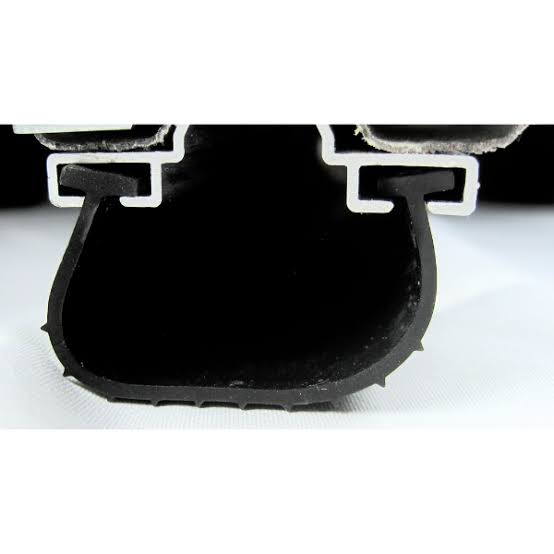
Have you ever noticed a chilly draft sneaking under your garage door or seen tiny insects marching into your storage space? These common annoyances often stem from a worn-out or missing bottom seal, compromising your home’s comfort and energy efficiency. Installing a high-quality garage door bottom seal with 3/8 inch T ends is the most effective solution to create a tight, weatherproof barrier that protects your garage year-round.
Why Your Garage Needs a 3/8 Inch T-End Seal
The garage door is typically the largest moving part of your home, yet its sealing system is often overlooked. A compromised seal doesn’t just let in cold air; it invites moisture, dust, rodents, and even carbon monoxide from vehicle exhaust into your living space.
The “T-end” design refers to the shape of the rubber bulb at the bottom of the seal. The vertical part of the “T” slides into the channel at the bottom of the door, while the horizontal bulb compresses against the floor to create a seal. The 3/8 inch measurement specifically refers to the width of the T-slot that fits into the door’s aluminum retainer. Getting this measurement right is critical for a secure fit that won’t pop out during operation.
According to the U.S. Department of Energy, proper air sealing can save homeowners up to 20% on heating and cooling costs. While garages are often unconditioned spaces, a sealed garage acts as a buffer zone, stabilizing temperatures in adjacent rooms like bedrooms or kitchens located above or next to the garage.
How to Measure Your Garage Door Channel Correctly
Before purchasing a replacement, accurate measurement is essential. Many homeowners assume all seals are universal, but variations in door manufacturers mean that a 3/8 inch seal might not fit a 1/2 inch channel, and vice versa.
Step-by-Step Measurement Guide
- Open the Garage Door: Fully open the door to access the bottom edge safely.
- Locate the Retainer Channel: Look at the aluminum strip running along the bottom interior edge of the door. This is where the old seal is inserted.
- Remove a Section of the Old Seal: Pull out about 6–12 inches of the existing weatherstrip. If it’s brittle or stuck, use a flathead screwdriver to gently pry it loose.
- Measure the Slot Width: Use a caliper or a precise ruler to measure the width of the empty slot in the aluminum retainer.
- If the slot measures approximately 0.375 inches, you need a 3/8 inch T-end seal.
- If it measures closer to 0.5 inches, you need a 1/2 inch seal.
- Check the Bulb Height: Measure how far the old bulb extended from the door. Standard heights range from 1 to 2 inches. Ensure your new seal matches or slightly exceeds this height for optimal compression.
Pro Tip: If you cannot remove the old seal, measure the thickness of the visible part of the T-slot opening. It’s better to buy a seal that is slightly too wide (which can be trimmed) than one that is too narrow (which will fall out).
Top Benefits of Upgrading to a High-Quality T-End Seal
Investing in a durable garage door bottom seal with 3/8 inch T ends offers multiple advantages beyond just keeping the rain out. Here is a breakdown of why this upgrade is worth your time and money.
| Benefit | Description | Impact |
|---|---|---|
| Energy Efficiency | Reduces air exchange between the garage and outdoors. | Lower HVAC load if garage is insulated or attached to home. |
| Pest Prevention | Blocks entry points for mice, spiders, and ants. | Protects stored items and reduces health hazards. |
| Noise Reduction | Dampens sound from outside traffic or neighborhood activity. | Creates a quieter workspace or living environment. |
| Water Protection | Prevents rainwater runoff from entering during storms. | Protects concrete floors from water damage and mold. |
| Debris Barrier | Stops leaves, dirt, and snow from blowing underneath. | Reduces cleaning frequency and maintains floor integrity. |
Material Matters: Rubber vs. Vinyl
When selecting your seal, you’ll encounter two primary materials: EPDM rubber and vinyl.
- EPDM Rubber: This is the gold standard for durability. It remains flexible in extreme cold (down to -40°F) and resists UV degradation from sun exposure. It provides a superior seal because it compresses well without cracking.
- Vinyl: Often cheaper, vinyl is rigid and can become brittle in winter. It may crack or break after a few seasons, leading to frequent replacements.
For long-term value, always choose EPDM rubber for your 3/8 inch T-end seal. While the upfront cost is slightly higher, the lifespan is significantly longer, reducing waste and maintenance effort. For more information on building materials and standards, you can refer to general construction guidelines on Wikipedia.
Installation Guide: How to Replace Your Bottom Seal
Replacing a garage door bottom seal is a straightforward DIY project that typically takes less than an hour. You don’t need specialized tools, just patience and attention to detail.
Tools You Will Need
- New garage door bottom seal with 3/8 inch T ends (cut to width)
- Tape measure
- Utility knife or sharp scissors
- Flathead screwdriver (optional, for removing old seal)
- Spray bottle with soapy water (lubricant)
Step-by-Step Installation Process
- Remove the Old Seal: Start at one corner of the garage door. Grip the end of the old weatherstrip and pull it steadily out of the aluminum channel. If it’s stuck, insert a flathead screwdriver between the seal and the channel to loosen it. Work your way across the entire width of the door.
- Clean the Channel: Use a rag to wipe out any dirt, rust, or debris from the aluminum retainer. A clean channel ensures the new seal slides in smoothly and seats properly.
- Prepare the New Seal: Measure the width of your garage door. Cut the new 3/8 inch T-end seal to this exact length using a utility knife. For a cleaner cut, mark the line with a marker first.
- Lubricate the T-End: Lightly spray the T-shaped insert of the new seal with soapy water. This acts as a temporary lubricant, making it much easier to slide into the tight aluminum channel.
- Insert the Seal: Start at one end of the door. Align the T-end with the channel and push it in. Use your hands to guide it along the length of the door. If you encounter resistance, do not force it; check for twists in the seal or obstructions in the channel.
- Secure the Ends: Once the seal is fully inserted, ensure both ends are flush with the edges of the door. Some seals come with end caps; if yours does, snap them on to prevent the seal from sliding out over time.
- Test the Door: Close the garage door slowly. Observe how the bulb compresses against the floor. It should flatten slightly but not buckle. Open and close the door once more to ensure smooth operation.
Troubleshooting Common Installation Issues
Even with careful preparation, you might encounter minor hiccups. Here’s how to address them:
- Seal Won’t Slide In: The channel may be bent or clogged. Inspect the aluminum retainer for dents. If the channel is tight, ensure you are using a 3/8 inch seal and not a larger size. Reapply soapy water liberally.
- Gap at One End: If the seal doesn’t reach the very edge, it may have stretched during installation. Remove it, trim it slightly shorter if necessary, and reinsert it, ensuring you start exactly at the corner.
- Door Binds or Sticks: If the new seal is too thick or tall, it might create excessive friction against the floor. Check the manufacturer’s specifications for bulb height. You may need a low-profile seal if your garage floor is uneven.
FAQ: Everything You Need to Know About 3/8 Inch T-End Seals
1. Can I install a 3/8 inch seal if my old one was 1/2 inch?
No, these sizes are not interchangeable. A 3/8 inch seal will be too loose in a 1/2 inch channel and will likely fall out or fail to seal properly. Always match the T-end width to your door’s retainer channel.
2. How often should I replace my garage door bottom seal?
On average, a high-quality EPDM rubber seal lasts 5–7 years. However, if you live in an area with extreme temperature fluctuations or intense UV exposure, inspect it annually. Replace it immediately if you see cracks, tears, or permanent flattening of the bulb.
3. Will a new seal help with mouse problems?
Yes, significantly. Mice can squeeze through gaps as small as 1/4 inch. A properly installed garage door bottom seal with 3/8 inch T ends eliminates this gap, acting as a physical barrier that rodents cannot chew through easily, especially if made of dense rubber.
4. Can I use silicone grease instead of soapy water for installation?
While silicone grease works, it is permanent and can attract dirt over time. Soapy water is recommended because it dries completely, leaving no residue that could degrade the rubber or gum up the channel in the future.
5. What if my garage floor is uneven?
If your floor has significant dips or bumps, consider a dual-durometer seal or an adjustable threshold seal. These designs offer more flexibility to conform to irregular surfaces while maintaining a tight seal.
Conclusion
Upgrading your garage door bottom seal with 3/8 inch T ends is a small investment with substantial returns. From keeping your garage dry and pest-free to improving your home’s overall energy efficiency, this simple component plays a vital role in home maintenance. By choosing the right material, measuring accurately, and following proper installation steps, you can ensure a professional-grade result that lasts for years.
Don’t let drafts and pests compromise your comfort. Take action today, share this guide with fellow homeowners who might be struggling with similar issues, and enjoy a tighter, cleaner, and more efficient garage space!
Leave a Reply