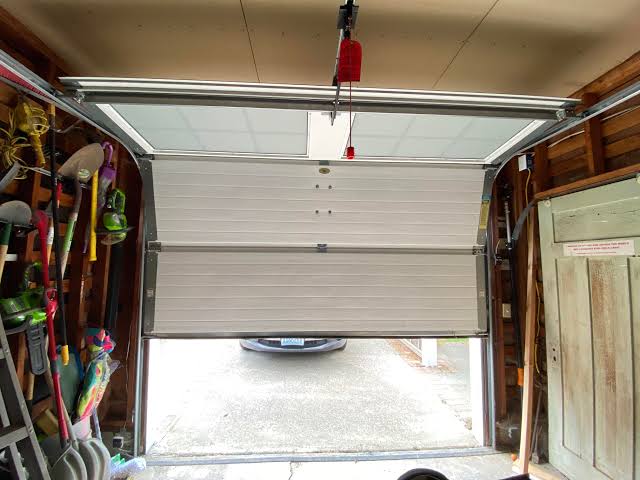
It is incredibly frustrating when you just want to park your car, but your garage door acts like something is in the way and reverses immediately. We understand how stressful this daily hassle can be, especially when you are running late. Fortunately, this is a common issue, and we are here to help you solve it quickly and safely.
Top Reasons Your Garage Door Acts Like Something Is In The Way
Modern garage doors are equipped with mandatory safety features designed to prevent accidents. When the system detects resistance or a broken light beam, it automatically reverses to protect people, pets, and vehicles.
However, these safety mechanisms can sometimes become overly sensitive. Understanding the root cause is the first step toward a permanent fix. Below, we break down the most common culprits behind this annoying malfunction.
Are the Safety Sensors Misaligned?
The photoelectric eyes located near the floor are the most frequent cause of this issue. If the sending and receiving sensors are not perfectly aligned, the beam breaks, and the door reverses. Even a slight bump from a lawnmower or a loose bracket can knock them out of place.
Is the Track Dirty or Damaged?
Your garage door relies on metal tracks to glide smoothly. If there is debris, dirt, or a slight dent in the track, the door encounters physical resistance. The motor interprets this physical friction as an obstruction, triggering the auto-reverse feature.
Are the Rollers and Hinges Worn Out?
Over time, nylon or steel rollers can chip, crack, or wear down. Similarly, hinges can become loose. When these components fail, the door moves unevenly, causing the motor to strain and mistakenly assume it has hit an obstacle.
Step-by-Step Guide to Fixing the Sensors
Fixing misaligned sensors is usually a straightforward DIY task. Follow these concrete steps to get your door working perfectly again.
Step 1: Inspect the Indicator Lights Look at the sensor housings on both sides of the garage door. One sensor will have a green or amber power light, while the other has a red or amber LED indicator. If the receiving sensor’s light is blinking or completely off, you have an alignment issue.
Step 2: Clean the Sensor Lenses Use a clean, dry microfiber cloth to gently wipe the sensor lenses. Spiderwebs, dust, and mud can easily block the invisible infrared beam.
Step 3: Adjust the Bracket Locate the wingnut on the sensor bracket. Loosen it just enough to allow movement. Gently adjust the sensor housing no more than 1/8 inch at a time.
Step 4: Test the Alignment Have a helper watch the LED indicator while you adjust the bracket. Once the beam is perfectly aligned, the LED will glow with a steady, solid light. Tighten the wingnut securely, ensuring the sensor does not shift during the tightening process.
Step 5: Check the Wiring Ensure the wires connecting the sensors to the motor head are securely attached and not pinched or frayed. Use a staple gun to secure any loose wires to the wall or floor, keeping them at least 6 inches above the ground to prevent moisture damage.
DIY vs. Professional Repair: Pros and Cons
Sometimes, the issue goes beyond simple sensor alignment. Here is a quick comparison to help you decide whether to tackle the problem yourself or call an expert.
| Feature | DIY Repair | Professional Repair |
|---|---|---|
| Cost | Low (Usually under $20 for tools/cleaning supplies) | Higher ($150 – $300 for service call and parts) |
| Time Required | 30 to 60 minutes for basic troubleshooting | Immediate once the technician arrives |
| Safety Risk | Moderate (Risk of improper handling) | Very Low (Handled by certified experts) |
| Best For | Sensor alignment, track cleaning, lubrication | Broken springs, cable replacement, motor issues |
Expert Insights and Safety Statistics
According to the Consumer Product Safety Commission (CPSC), the mandatory inclusion of automatic reverse features in 1993 drastically reduced garage door-related injuries. The system relies on two mechanisms: contact reversal (hitting an object) and non-contact reversal (the sensor beam).
When troubleshooting, it helps to understand the technology. According to the principles of a photoelectric sensor, the emitter sends a continuous beam of infrared light to the receiver. If the receiver does not detect this light, the circuit opens, signaling the motor to reverse. Keeping this beam completely unobstructed is critical for the system to function correctly.
Expert Tip: “Over 70% of garage door service calls related to reversing issues are simply caused by misaligned sensors or dirty lenses,” says a certified technician from the International Door Association (IDA). Always check the eyes first before assuming the motor is broken.
Frequently Asked Questions (FAQ)
1. Can I temporarily bypass the garage door sensors?
Yes, most modern garage door openers have a bypass feature, usually activated by holding down the wall button until the door closes completely. However, this is strictly for emergencies. Bypassing the sensors removes the safety mechanism, posing a severe risk of entrapment or property damage.
2. Why does my garage door close halfway and then open back up?
This specific behavior usually indicates an issue with the “travel limit” settings on your motor. If the down-limit is set too far, the door pushes against the floor, thinks it hit an obstruction, and reverses. You can adjust the limit dials on the motor head in small increments (usually a quarter-turn at a time) until it rests perfectly on the floor.
3. Can extreme weather cause the door to reverse?
Absolutely. Extreme cold can cause the metal tracks to contract and the lubricants to thicken, creating excess friction. Similarly, heavy rain or humidity can cause moisture to build up on the sensor lenses, scattering the infrared beam. Wiping the lenses and applying a silicone-based lubricant to the tracks can resolve weather-related issues.
4. How do I know if the logic board is faulty?
If your sensors are perfectly aligned, the lenses are clean, the tracks are clear, and the travel limits are set correctly, the issue may lie with the motor’s logic board. Signs of a bad logic board include unresponsive remotes, blinking error codes on the motor unit, or the door failing to respond to the wall switch.
5. Is it safe to force the door to close manually?
You should never physically force a moving garage door to close. If it keeps reversing, pull the manual release cord (usually a red handle on a rope) to disconnect the door from the motor. You can then close it manually. However, you should address the underlying motor or sensor issue before using the automatic function again.
Conclusion
Dealing with a malfunctioning garage door is a hassle, but it does not have to ruin your day. By understanding why your garage door acts like something is in the way, you can quickly identify whether the issue is a simple misalignment, a dirty track, or a more complex mechanical failure. Regular maintenance, such as cleaning the sensor lenses and lubricating the tracks, will keep your system running smoothly for years to come.
Did this guide help you get your garage door working again? Please share this article on your social media to help your friends and family avoid the same frustrating headache!
Leave a Reply