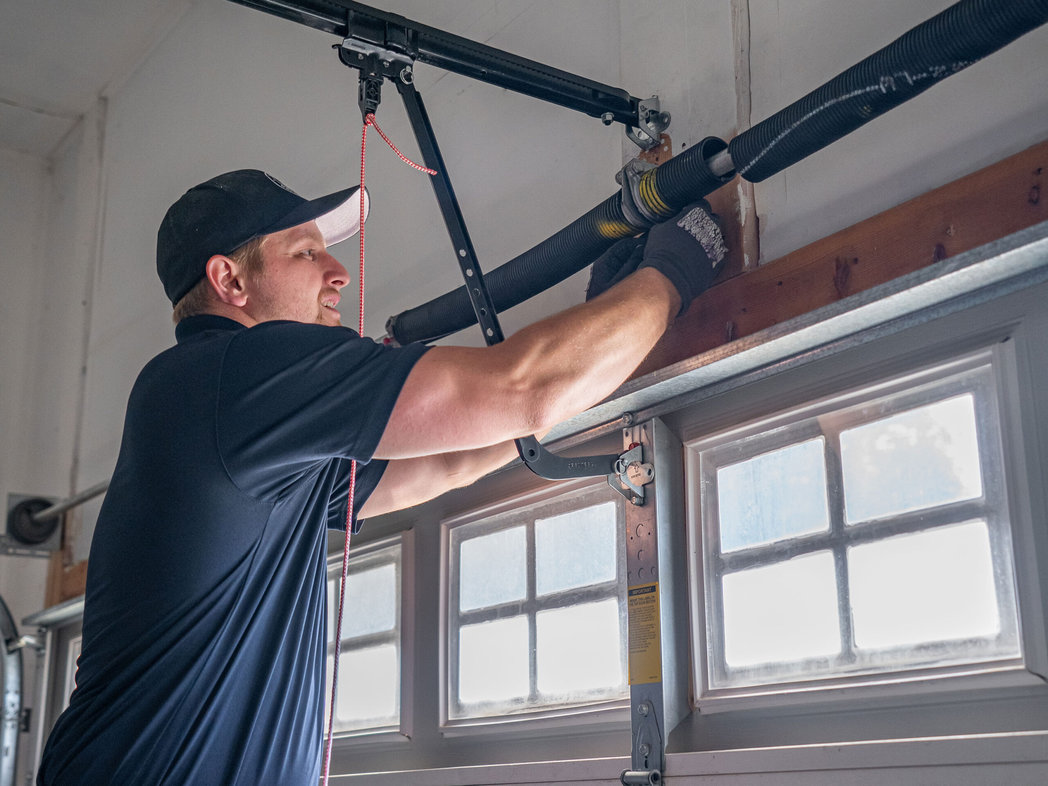
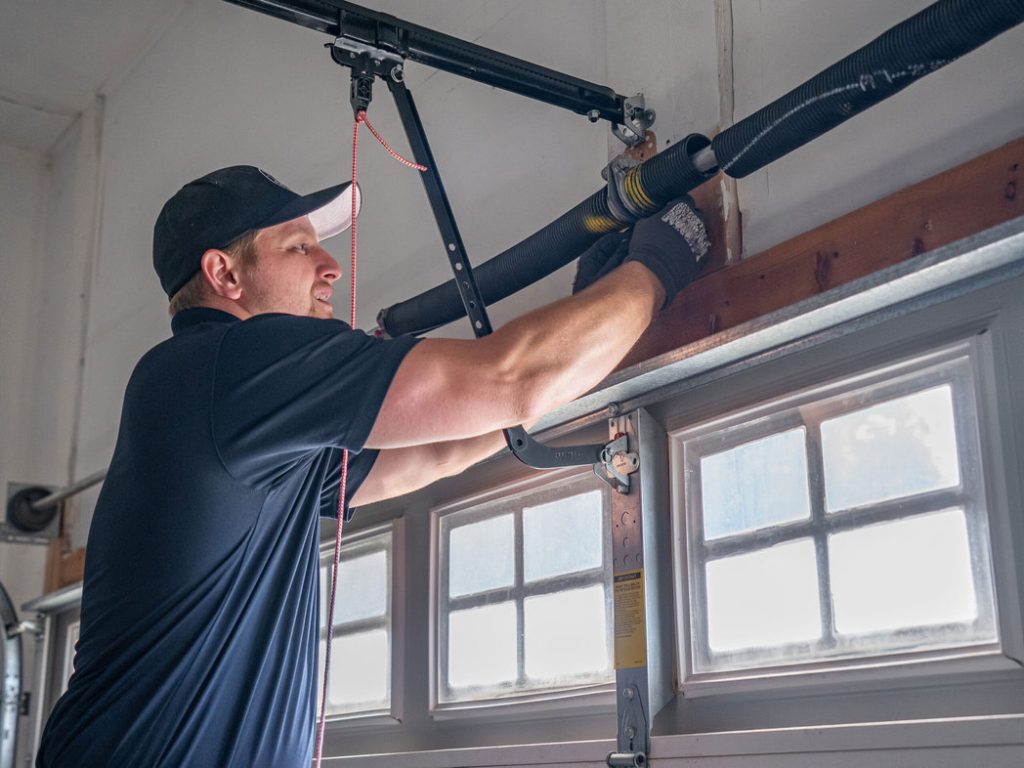
We know how incredibly frustrating it is when you just want to park your car, but your garage door won’t close nothing in the way. It feels like the universe is playing a trick on you, but don’t worry—you are definitely not alone in dealing with this exact headache. Let’s dive into the hidden culprits and get your door working smoothly again!
Why Your Garage Door Won’t Close Nothing In The Way: Top Causes
When your garage door won’t close nothing in the way, it is almost always a safety mechanism doing its job. Modern overhead doors are equipped with auto-reverse features designed to prevent accidents. If the system detects even the slightest anomaly, it will immediately halt or reverse the door to protect your property and family.
According to the International Door Association (IDA), nearly 70% of all garage door service calls are caused by simple maintenance issues like sensor misalignment or dry tracks. “Most homeowners don’t realize that a tiny smudge of dirt on a sensor lens can completely halt a 500-pound door,” says certified garage door technician Mark Davis.
Understanding these safety protocols is the first step. For a deeper technical understanding of how these safety mechanisms evolved, you can read more about the modern Garage door on Wikipedia.
Step-by-Step Guide to Fix the Issue
Grab your toolbox and let’s troubleshoot this together. Follow these concrete steps to identify and resolve the problem safely.
1. Check and Align the Photo-Eye Sensors
The most common culprit is the infrared sensors located near the floor.
- Locate the sensors: They are usually mounted on both sides of the door track, exactly 6 inches off the ground.
- Check the LED lights: Look at the back of the sensor units. One should have a solid green or amber light (the sender), and the other should have a solid red light (the receiver). If the receiver light is blinking or off, the beam is broken.
- Clean the lenses: Use a clean, dry microfiber cloth to gently wipe the sensor lenses.
- Realign the brackets: Loosen the wing nut slightly and adjust the sensor until the blinking light turns solid. Tighten the nut and test the door.
2. Inspect and Clean the Tracks
Dirty or bent tracks can cause the rollers to bind, tricking the motor into thinking there is an obstruction.
- Clear debris: Wipe down the metal tracks on both sides using a damp rag. Remove any built-up grime, spider webs, or dried mud.
- Check for dents: Inspect the tracks for any physical dents. If you find a minor dent, you can gently tap it flat with a rubber mallet.
- Verify alignment: Place a standard carpenter’s level against the vertical tracks. They must be perfectly plumb (100% vertical). If they are leaning, loosen the mounting bolts, tap the track straight, and retighten.
3. Adjust the Travel Limit Switches
If your door travels down a few inches and then reverses, the “down limit” might be set incorrectly.
- Find the motor head: Open the garage door manually and locate the control box mounted on the ceiling.
- Locate the dials: Look for two adjustment screws or dials labeled “Up” and “Down” (or “Travel” and “Force”).
- Make the adjustment: Turn the “Down” limit dial a quarter-turn (about 1/4 inch) in the counter-clockwise direction. This tells the motor to travel slightly further down before stopping.
- Test the door: Run the door through one complete cycle. Repeat the 1/4 turn adjustment if it still reverses too early.
4. Lubricate the Moving Parts
Friction is the enemy of a smooth-closing door.
- Choose the right lubricant: Use a silicone-based spray or white lithium grease. Never use standard WD-40, as it is a degreaser and will dry out the moving parts.
- Apply strategically: Spray a light coat on the metal rollers, the hinges, and the torsion spring (do not lubricate the nylon bearings at the center of the spring).
- Wipe excess: Wipe away any dripping lubricant to prevent dirt accumulation.
DIY Fixes vs. Calling a Professional
Not sure if you should handle this yourself or call an expert? Here is a quick comparison to help you decide.
| Approach | Pros | Cons | Estimated Cost | Time Required |
|---|---|---|---|---|
| DIY Fixes | Free, immediate results, builds confidence | Requires time, potential for minor errors | $0 – $15 (cleaners/lube) | 30 – 60 minutes |
| Pro Repair | Guaranteed fix, safe, saves time, warranty | More expensive, requires scheduling | $100 – $250 | 1 – 2 hours |
Note: If you suspect a broken torsion spring, do not attempt a DIY fix. Torsion springs are under extreme tension and can cause severe injury if handled improperly. Always call a professional for spring-related issues.
Frequently Asked Questions (FAQ)
Why does my garage door go down an inch and then reverse?
This is almost always caused by a travel limit issue or a binding track. The motor feels resistance from the track or reaches its programmed “down” limit too soon, causing it to think it hit an object, which triggers the auto-reverse safety feature.
How do I know if my garage door sensors are bad?
Look at the LED indicator lights on the sensor units. If the light on the receiving sensor is completely dark or blinking rapidly, and you have already cleaned and aligned them, the sensor itself might be burnt out and need replacement. You can also test this by placing a piece of cardboard in the beam path while the door is closing; if it doesn’t reverse immediately, the sensors are faulty.
Can cold weather cause my garage door to stay open?
Yes, extreme cold can cause the lubricants in your tracks and rollers to thicken, creating excess friction. Additionally, cold weather can drain the battery in your keypad or cause the metal tracks to contract slightly, altering the alignment. Using a cold-weather rated silicone lubricant can prevent this.
Is it safe to force my garage door closed?
No, never force the door closed. The auto-reverse mechanism is a critical safety feature mandated by law to prevent entrapment, especially for children and pets. If the door refuses to close, forcing it can damage the motor, bend the tracks, or cause the door to fall unexpectedly.
Conclusion
Dealing with a stubborn garage door doesn’t have to ruin your day. By systematically checking your photo-eye sensors, cleaning the tracks, adjusting the limit switches, and applying the right lubrication, you can solve the “garage door won’t close nothing in the way” dilemma in under an hour. Regular maintenance not only saves you money on repair bills but also ensures your home remains secure and safe.
Leave a Reply