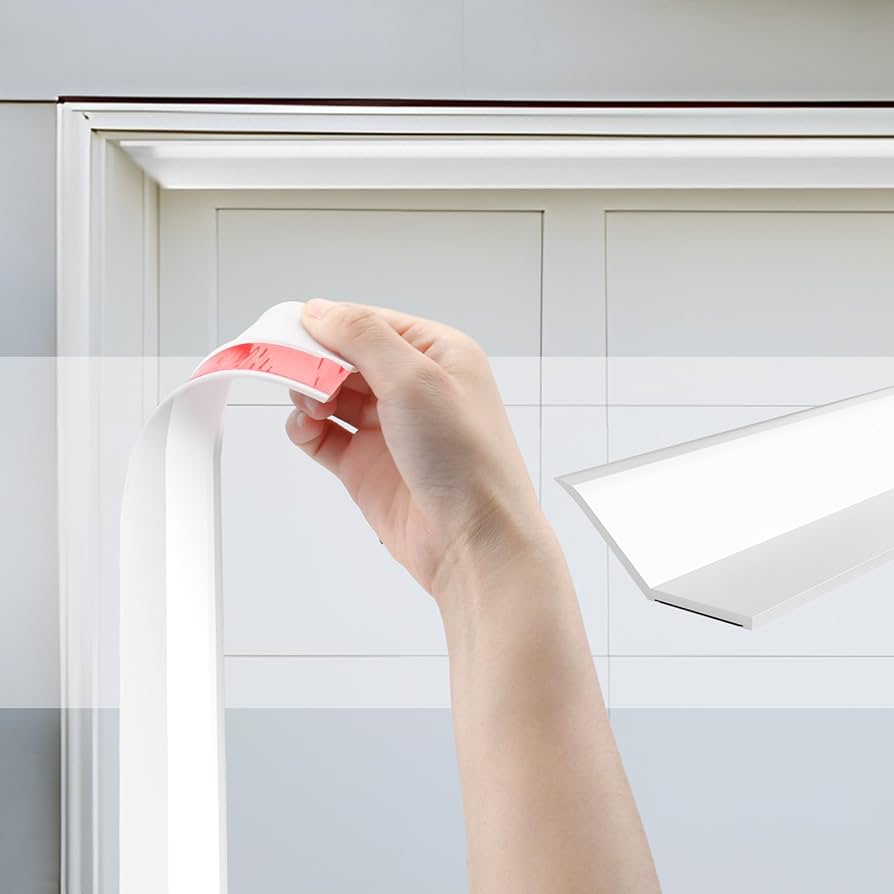
Have you ever walked into your garage and felt an immediate chill, even in the summer? Or perhaps you’ve noticed dust accumulating on your car or heard the relentless hum of traffic despite the door being closed? These are classic signs that your garage is leaking air. The solution often lies in upgrading to a Double Layer Top & Side Rubber Seal For Garage Doors, a simple yet powerful upgrade that transforms your garage from a drafty storage space into a sealed, efficient part of your home.
Garage doors are the largest moving opening in most homes. Without proper sealing, they act as a massive vacuum for outside air, pests, and debris. In this guide, we will explore why double-layer seals are superior to standard options, how to choose the right one, and how to install it like a pro.
Why Standard Seals Fail and Double Layers Succeed
Most homeowners don’t think about their garage door seals until there is a problem. Standard single-layer vinyl or thin rubber strips degrade quickly under UV exposure and temperature fluctuations. They crack, shrink, and lose their elasticity, leaving gaps that compromise your home’s comfort.
A Double Layer Top & Side Rubber Seal For Garage Doors is engineered differently. It features two distinct barriers of protection:
- The Primary Seal: This layer presses firmly against the door frame or the door itself, creating the initial airtight barrier.
- The Secondary Fin or Bulb: This flexible extension bends and adapts to irregularities in the door surface, ensuring no gap is left unsealed.
According to energy efficiency studies, garages can account for up to 30% of a home’s heat loss if poorly insulated and sealed. By upgrading to a dual-layer system, you are not just blocking wind; you are actively contributing to your home’s thermal envelope.
Key Benefits at a Glance
| Feature | Single-Layer Seal | Double-Layer Seal |
|---|---|---|
| Air Tightness | Moderate | Excellent |
| Durability | Prone to cracking | High resistance to wear |
| Noise Reduction | Minimal | Significant dampening |
| Pest Protection | Basic | Superior barrier |
| Installation Effort | Easy | Moderate |
What Problems Does a Double Layer Seal Solve?
When searching for a Double Layer Top & Side Rubber Seal For Garage Doors, users are typically trying to solve specific pain points. Let’s break down the most common issues this product addresses.
1. Eliminating Drafts and Lowering Energy Bills
If your garage is attached to your house, or if you use it as a workspace, temperature control is vital. Gaps around the top and sides allow conditioned air to escape. In winter, cold air rushes in; in summer, hot humidity penetrates. A double-layer seal creates a tighter closure, reducing the load on your HVAC system. While the garage itself might not be heated, preventing extreme temperatures from affecting adjacent rooms (like a bedroom above the garage) can lead to noticeable savings.
2. Keeping Pests and Debris Out
Small gaps are open invitations for spiders, ants, mice, and even snakes. Furthermore, windblown leaves, dust, and rain can seep through single-layer seals during storms. The secondary layer of a double seal acts as a fine mesh filter, blocking even the smallest intruders. This is crucial for maintaining a clean environment, especially if you store sensitive items or work on projects in your garage.
3. Reducing Noise Pollution
Living near a busy street or airport? Garage doors are surprisingly poor at soundproofing. The dense rubber used in high-quality double-layer seals absorbs vibration and sound waves. While it won’t make your garage a recording studio, it significantly dampens external noise, making the space more pleasant for workshops or home gyms.
How to Choose the Right Double Layer Seal
Not all seals are created equal. When shopping for a Double Layer Top & Side Rubber Seal For Garage Doors, consider these critical factors to ensure you get the best performance.
Material Quality: EPDM vs. Vinyl
- EPDM (Ethylene Propylene Diene Monomer): This is the gold standard for outdoor rubber. It is highly resistant to ozone, UV rays, and extreme temperatures (-40°F to 250°F). It remains flexible in winter and doesn’t melt in summer.
- Vinyl: Cheaper but less durable. Vinyl tends to become brittle in cold weather and can warp in heat. For a long-term investment, always choose EPDM rubber.
Dimensions and Fit
Measure your garage door’s width and height accurately. Most double-layer seals come in standard lengths (e.g., 10ft, 20ft rolls). Ensure the thickness of the seal matches the gap between your door and the frame. If the gap is larger than 1/2 inch, you may need a specialized heavy-duty seal or additional backing material.
Adhesive vs. Mechanical Attachment
Some seals come with strong adhesive backing for easy DIY installation. Others require nails or screws for a permanent hold. For metal doors, adhesive-backed EPDM is often sufficient and easier to install. For wooden doors that expand and contract, mechanical fasteners might provide a more secure long-term fit.
Step-by-Step Installation Guide
Installing a Double Layer Top & Side Rubber Seal For Garage Doors is a manageable DIY project. Follow these steps for a professional finish.
Tools Needed:
- Tape measure
- Utility knife or scissors
- Rubbing alcohol and clean cloth
- Caulk gun (if using adhesive sealant)
- Ladder
Step 1: Clean the Surface Thoroughly clean the area where the seal will be applied. Remove old weatherstripping, dirt, and grease. Use rubbing alcohol to ensure the surface is completely dry and free of residue. This is crucial for adhesive bonds.
Step 2: Measure and Cut Measure the width of your garage door for the top seal and the height for the side seals. Add 1-2 inches to each measurement to allow for trimming. Cut the rubber seal to size using a sharp utility knife.
Step 3: Install the Top Seal Start with the top section. If using adhesive-backed seals, peel back a small portion of the backing. Align the seal with the top edge of the door or the header frame, depending on your door type. Press firmly as you unroll the backing. Ensure the “fin” or secondary layer faces outward to catch incoming air.
Step 4: Install the Side Seals Repeat the process for the vertical sides. Start from the top and work your way down. Make sure the side seals overlap slightly with the top seal at the corners to prevent any gap. Trim any excess material at the bottom for a clean look.
Step 5: Test the Door Slowly close the garage door. Check for any resistance. The seal should compress slightly but not impede the door’s movement. If the door struggles to close, you may need to trim the seal slightly or adjust the door’s travel limits.
For more detailed information on garage door maintenance standards, you can refer to general safety guidelines on Wikipedia.
Frequently Asked Questions (FAQ)
Q1: Can I install a double layer seal on an existing garage door?
A: Yes, absolutely. Most double-layer seals are designed as retrofits. You can remove old, worn-out weatherstripping and replace it with a new double-layer system without needing to replace the entire door.
Q2: How long does a rubber garage door seal last?
A: High-quality EPDM rubber seals can last between 5 to 10 years, depending on climate conditions and usage. Extreme sunlight and frequent temperature changes may shorten this lifespan, so regular inspection is recommended.
Q3: Will a thicker seal damage my garage door opener?
A: Generally, no. Modern garage door openers have safety sensors and force settings that adjust to minor resistance. However, if the seal is excessively thick, it might cause the door to reverse. Always test the door’s operation after installation and adjust the force settings if necessary.
Q4: Is it better to seal the door or the frame?
A: It depends on your door type. For sectional roll-up doors, sealing the frame (where the door rests when closed) is often more effective. For one-piece tilt-up doors, sealing the door edges might be preferable. A Double Layer Top & Side Rubber Seal For Garage Doors can often be adapted to both methods, but framing seals are generally more durable as they are protected from direct sunlight when the door is open.
Q5: Can I paint the rubber seal to match my door?
A: It is not recommended. Paint can crack and peel off rubber, especially flexible EPDM, compromising the seal’s integrity and appearance. Most seals come in black or white, which are neutral and blend well with most garage door designs.
Q6: Does this help with water leakage?
A: Yes, while primarily designed for air, the tight compression of a double-layer seal also repels rain and snow. However, for significant water pooling issues, you may also need to check the threshold seal at the bottom of the door.
Conclusion
Upgrading to a Double Layer Top & Side Rubber Seal For Garage Doors is one of the most cost-effective improvements you can make to your home. It offers immediate benefits: a quieter space, a cleaner environment, and better energy efficiency. By choosing high-quality EPDM rubber and following proper installation techniques, you can enjoy these benefits for years to come.
Don’t let drafts and pests dictate the comfort of your home. Take control of your garage’s environment today. If you found this guide helpful, please share it with your friends and neighbors on social media who might be struggling with similar garage issues. A simple seal can make a world of difference!
Leave a Reply