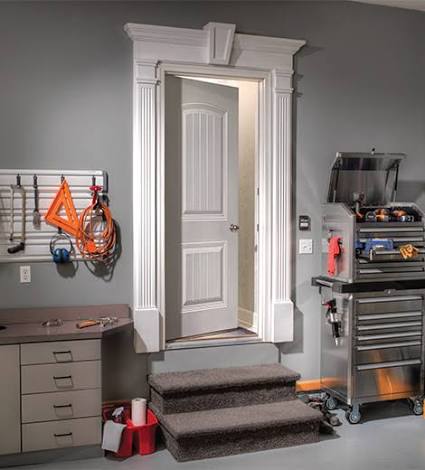
Have you ever walked into your garage, smelled gasoline or old paint, and wondered if that flimsy wooden door leading into your kitchen is actually keeping your family safe? It is a common concern for homeowners across the United States. The short answer to the question “do you need a fire door between garage and house“ is yes, absolutely. This barrier is not just a building code formality; it is a critical line of defense against one of the most dangerous fire hazards in residential properties.
In this guide, we will break down exactly why this separation is vital, what specific standards your door must meet, and how to ensure your home complies with the latest safety regulations. Let’s dive in to protect what matters most.
Why Is a Fire-Rated Door Critical for Garage Separation?
Garages are unique spaces in a home. They often store vehicles containing highly flammable fuels, lubricants, and batteries. Additionally, many homeowners use garages for storage of chemicals, paints, solvents, and propane tanks for grills. According to the National Fire Protection Association (NFPA), vehicle fires and ignition of stored materials are leading causes of residential fires originating in garages.
When a fire starts in the garage, it can reach extreme temperatures within minutes. Without a proper barrier, smoke, toxic fumes, and flames can spread into the living areas of your house rapidly. This is where the concept of fire separation comes into play.
A fire-rated door is designed to withstand high heat for a specific period—usually 20 minutes for residential garage doors. This delay is crucial. It provides you and your family with precious time to escape and gives firefighters a better chance to contain the blaze before it consumes the entire structure.
Expert Insight: “The garage-to-house door is often the weakest link in a home’s fire defense system. Ensuring it is properly rated and sealed can mean the difference between a minor incident and a total loss.” – Fire Safety Engineer, International Code Council.
What Are the Building Code Requirements?
If you are asking, “do you need a fire door between garage and house,” you are likely also concerned about legality and insurance. In the United States, building codes are largely based on the International Residential Code (IRC), which is adopted by most states and local jurisdictions.
The IRC Standard: Section R302.5.1
According to the IRC, any opening between a private garage and the residence must be protected by a solid wood door not less than 1-3/8 inches thick, or a 20-minute fire-rated door. Here is a breakdown of the specific requirements:
| Feature | Requirement |
|---|---|
| Door Material | Solid wood (min 1-3/8” thick) or Steel/Fiberglass with 20-min rating |
| Rating | Minimum 20-minute fire resistance |
| Glazing | No glass panels allowed unless specifically rated for fire |
| Self-Closing | Must be self-closing or automatic-closing |
| Seals | Weather stripping does not count as a fire seal |
It is important to note that while the IRC sets the baseline, local amendments may vary. Some stricter jurisdictions may require a 45-minute or even 90-minute rating, especially in multi-family dwellings or townhouses. Always check with your local building department before starting any renovation.
For more detailed historical context on fire safety standards, you can refer to Wikipedia’s entry on Fire Doors, which outlines the evolution of these critical safety devices.
How to Identify If Your Current Door Is Compliant
Many older homes have hollow-core doors or doors with large decorative glass panels connecting the garage to the house. These are not compliant with modern safety standards. Here is how you can inspect your current setup:
- Check the Label: Look for a metal or paper tag on the top edge or hinge side of the door. It should clearly state the fire rating (e.g., “20 MIN”).
- Inspect the Core: Knock on the door. A hollow sound indicates a hollow-core door, which offers little to no fire resistance. A solid thud suggests a solid core, which is better but still needs verification.
- Look for Glass: If your door has any glass panes, it is likely not fire-rated unless the glass itself is certified fire-resistant wire glass or ceramic. Standard tempered glass will shatter quickly under heat.
- Test the Closer: Open the door halfway and let go. Does it close completely on its own? If not, it fails the self-closing requirement.
Key Features of a Proper Garage Fire Door
Not all fire doors are created equal. When shopping for a replacement or verifying an existing one, look for these essential features:
- Solid Core Construction: Whether wood, steel, or fiberglass, the interior must be dense enough to slow heat transfer.
- Intumescent Seals: These are special strips around the door frame that expand when exposed to heat, sealing gaps to prevent smoke and fire from passing through. Note: Standard weather stripping is not a substitute for intumescent seals.
- Self-Closing Mechanism: This is non-negotiable. A fire door left open is useless. You can install a hydraulic closer or use spring hinges designed for fire doors.
- Proper Hardware: Ensure the hinges are heavy-duty and securely anchored. Lightweight hinges can warp or fail under high heat.
Common Mistakes Homeowners Make
Even with the right door, improper installation or usage can compromise safety. Avoid these common pitfalls:
- Drilling for Peepholes or Locks: Never drill additional holes into a fire-rated door. This breaches the integrity of the core and voids the rating.
- Using Standard Door Sweeps: While good for energy efficiency, standard sweeps do not provide fire protection. Use only approved fire-rated thresholds.
- Propping the Door Open: It is tempting to keep the door open for ventilation or convenience. However, this defeats the purpose. If you need airflow, consider installing a dedicated ventilation system in the garage instead.
- Ignoring Gaps: The gap between the door and the frame should be no more than 1/8 inch. Larger gaps allow smoke to penetrate.
Step-by-Step Guide to Installing a Fire-Rated Door
If you determine that your current door is non-compliant, here is a simplified overview of the replacement process. Note: For best results and code compliance, hiring a licensed contractor is recommended.
- Measure the Opening: Measure the height, width, and thickness of the existing door jamb. Standard sizes are 30×80 or 32×80 inches.
- Purchase a Rated Door: Buy a door with a visible UL (Underwriters Laboratories) or WH (Warnock Hersey) label indicating a 20-minute rating.
- Remove the Old Door: Carefully remove the old door and hinges. Inspect the frame for damage. If the frame is rotted or damaged, it must be replaced with a fire-rated frame.
- Install New Hinges: Use three heavy-duty hinges. Ensure they are screwed deeply into the framing studs, not just the trim.
- Hang the Door: Place the new door in the frame. Check for even gaps (1/8 inch) on all sides.
- Install the Self-Closer: Attach a hydraulic door closer or replace standard hinges with self-closing spring hinges. Test the mechanism to ensure it closes fully every time.
- Apply Intumescent Seals: If not pre-installed, apply intumescent tape around the door stop or frame as per manufacturer instructions.
FAQ Section
1. Can I use a regular solid wood door instead of a labeled fire door?
Technically, the IRC allows a solid wood door that is at least 1-3/8 inches thick. However, without a fire rating label, it is difficult to prove compliance to inspectors or insurance companies. A labeled 20-minute fire-rated door is the safer and more verifiable choice.
2. Do I need a fire door if my garage is detached?
No. If your garage is a separate structure with no direct interior connection to your house, a fire door between them is not applicable. The risk arises only when there is a direct opening into the living space.
3. What happens if I don’t have a fire door?
Beyond the severe safety risk, you may face issues when selling your home. Home inspectors will flag non-compliant doors, potentially requiring you to replace them before closing. Additionally, your homeowner’s insurance provider may deny claims related to fire damage if code violations are found.
4. Can I add windows to my garage fire door?
Generally, no. Most 20-minute residential fire doors do not allow for glazing. If you want light, consider installing a fire-rated window in the wall adjacent to the door, ensuring it is also properly rated and separated from the door itself.
5. How often should I check my fire door?
Inspect your fire door monthly. Check that it closes completely, the seals are intact, and there is no damage to the door surface. Test the self-closing mechanism regularly to ensure it hasn’t lost tension.
Conclusion
So, do you need a fire door between garage and house? The answer is a resounding yes. It is a small investment that provides immense peace of mind and protects your family from one of the most significant fire risks in your home. By ensuring your door is solid, self-closing, and properly rated, you are not just following the law—you are actively safeguarding your life and property.
Don’t wait for an emergency to test your defenses. Take a moment today to check your garage door. If it doesn’t meet the standards, prioritize replacing it. Your future self will thank you.
Found this guide helpful? Share it with your neighbors and friends on social media to help spread awareness about home fire safety!
Leave a Reply