Have you ever tried to sneak out early in the morning or come home late at night, only to be greeted by the deafening rattle of your garage door opener? It is a common frustration for many homeowners. Understanding the difference between chain and belt drive garage door openers is the first step toward a quieter, more reliable home entry system. Whether you are installing a new unit or replacing an old one, choosing the right drive type can significantly impact your daily comfort and maintenance costs.
How Do Chain and Belt Drive Mechanisms Work?
Before diving into the pros and cons, it is essential to understand the basic mechanics behind these two popular systems. Both types serve the same primary function: lifting and lowering your heavy garage door using a motor and a trolley system. However, the method they use to transfer power from the motor to the door is where they diverge.
The Chain Drive System
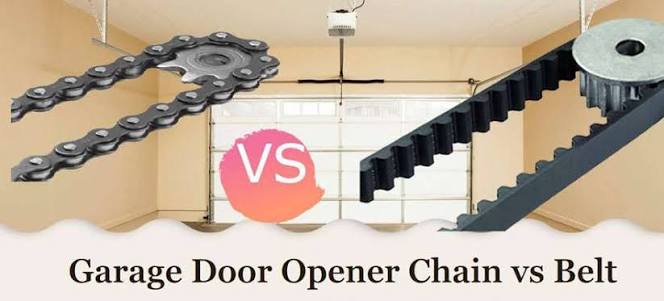
A chain drive opener uses a metal chain, similar to what you might find on a bicycle but much heavier and stronger. This chain is attached to a trolley that moves along a rail. When the motor engages, it pulls the chain, which in turn pulls the trolley and lifts the door. Because it relies on metal-on-metal contact, this system is incredibly robust and has been the industry standard for decades.
The Belt Drive System
In contrast, a belt drive opener replaces the metal chain with a reinforced rubber or polyurethane belt. This belt is often embedded with steel fibers for added strength but remains flexible and quiet. The motor turns a pulley that moves the belt, smoothly gliding the trolley along the rail. This design was introduced specifically to address the noise complaints associated with traditional chain models.
For a deeper technical understanding of mechanical drive systems, you can refer to general engineering principles outlined on Wikipedia.
Which Is Quieter: Chain or Belt Drive?
If you live in a home where the garage is attached to living spaces, or if you have bedrooms above the garage, noise is likely your top priority. This is arguably the most significant difference between chain and belt drive garage door openers.
Chain drives are notoriously loud. The metal links clanking against the metal sprocket and rail create a distinct rattling sound. While newer models have improved with rubber isolators and better engineering, they still produce a noticeable hum and clatter during operation. If you are sensitive to noise or work night shifts, a chain drive might disrupt your sleep or daily activities.
Belt drives, on the other hand, are exceptionally quiet. The rubber belt absorbs vibration and eliminates the metal-on-metal friction. Many homeowners describe the sound as a soft whisper rather than a grind. If silence is golden in your household, the belt drive is the clear winner. It allows you to open and close the door without waking up family members or disturbing neighbors in quiet suburban areas.
Cost Comparison: Initial Price vs Long-Term Value
Budget is always a critical factor in home improvement projects. Let’s break down the financial implications of each type.
| Feature | Chain Drive | Belt Drive |
|---|---|---|
| Initial Cost | Low ($150–$250) | Moderate to High ($250–$400+) |
| Installation Cost | Standard | Standard (sometimes slightly higher) |
| Maintenance Cost | Low (occasional lubrication) | Low (rarely needs adjustment) |
| Lifespan | 10–15 years | 10–15 years |
| Resale Value Impact | Neutral | Positive (quiet feature is a selling point) |
Chain drive openers are the most affordable option on the market. Their simple design and mass production keep costs low, making them ideal for landlords, budget-conscious buyers, or detached garages where noise is not an issue.
Belt drive openers come with a premium price tag, typically costing 30% to 50% more than their chain counterparts. However, this upfront cost often pays off in terms of user satisfaction and perceived quality. For many homeowners, the peace of mind and quiet operation justify the extra expense. Additionally, because belt drives experience less vibration, there is theoretically less wear on the motor and other components over time, potentially extending the unit’s life.
Durability and Maintenance Requirements
When investing in a garage door opener, you want something that lasts. Both systems are durable, but they handle stress differently.
Chain Drive Durability
Metal chains are built to withstand extreme conditions. They are less susceptible to temperature fluctuations, meaning they won’t become brittle in freezing winters or stretch excessively in hot summers. However, they do require regular maintenance. You must lubricate the chain every six months to prevent rust and reduce noise. If neglected, a dry chain can wear out the sprocket faster, leading to premature failure.
Belt Drive Durability
Modern belts are made from high-grade rubber or polyurethane reinforced with steel or Kevlar. They are designed to resist stretching and cracking. One major advantage is that they require almost no maintenance. There is no need for lubrication, which means no messy oil drips on your car or floor. However, in extreme cold, some lower-quality belts may become stiff, though premium brands have largely solved this issue.
Expert Insight: According to industry technicians, while chains are “tougher” in a brute-force sense, belt drives often outlast chains in residential settings because they put less strain on the motor due to smoother operation.
Which Is Better for Heavy Doors?
If you have a solid wood door or an oversized double-car garage door, weight is a concern. Both chain and belt drives are capable of handling heavy loads, provided you choose the right horsepower (HP) rating.
- 1/2 HP: Suitable for standard single-car doors.
- 3/4 HP to 1 HP: Recommended for heavy wooden doors or large double-car doors.
While both types can lift heavy doors, chain drives have a slight edge in raw pulling power. They are less likely to slip under extreme load. However, modern belt drives are engineered to handle significant weight without slipping. For most residential applications, a 3/4 HP belt drive will perform just as well as a chain drive. Only in industrial or exceptionally heavy custom door scenarios might a chain drive be the mandatory choice.
Installation Complexity: DIY or Professional?
For those who enjoy DIY projects, the installation process is another factor to consider. Fortunately, the difference between chain and belt drive garage door openers does not significantly affect installation difficulty. Both systems use similar mounting brackets and rail assemblies.
- Assemble the Rail: Attach the rail to the motor head.
- Mount the Bracket: Secure the header bracket above the door.
- Hang the Unit: Lift the opener and secure it to the ceiling joists.
- Attach the Trolley: Connect the chain or belt to the trolley and the door arm.
- Program the Limits: Set the open and close limits using the control panel.
The main difference lies in tensioning. Chain drives require you to adjust the tension carefully to avoid sagging or excessive tightness. Belt drives are often pre-tensioned or easier to adjust with a simple bolt mechanism. If you are a beginner, a belt drive might offer a slightly more forgiving installation experience.
FAQ Section
1. Can I convert my chain drive opener to a belt drive?
No, you cannot simply swap the chain for a belt. The internal gearing, sprockets, and rail design are specific to each drive type. To switch from chain to belt, you must replace the entire opener unit.
2. Do belt drives break easily?
Modern belt drives are highly durable. Made from reinforced rubber or polyurethane, they are resistant to stretching and breaking. With proper installation and normal use, a belt should last the lifetime of the opener (10–15 years).
3. Is a chain drive louder in winter?
Yes, metal contracts in cold temperatures, which can make the chain tighter and noisier. Additionally, if the chain lacks lubrication, the cold can exacerbate the grinding sound. Belt drives are less affected by temperature changes regarding noise.
4. Which drive type is safer?
Both types are equally safe when equipped with modern safety features like auto-reverse sensors and rolling code technology. The drive mechanism itself does not impact safety; rather, it is the electronic safety systems that protect users.
5. Do belt drives require special weatherproofing?
Generally, no. Most residential belt drive openers are designed for indoor garage use. If your garage is uninsulated and experiences extreme humidity or temperature swings, ensure you buy a model rated for such conditions, but this applies to both chain and belt types.
Conclusion
Choosing between these two systems ultimately depends on your specific needs and budget. If you prioritize cost-effectiveness and have a detached garage, a chain drive is a reliable, workhorse solution. However, if you value quiet operation, low maintenance, and have an attached garage, investing in a belt drive is worth every penny.
Understanding the difference between chain and belt drive garage door openers empowers you to make a decision that enhances your home’s functionality. Don’t let a noisy garage ruin your morning routine. Evaluate your priorities, check your budget, and select the opener that best fits your lifestyle.
Found this guide helpful? Share it with your friends on social media who might be struggling with their noisy garage doors!
Leave a Reply