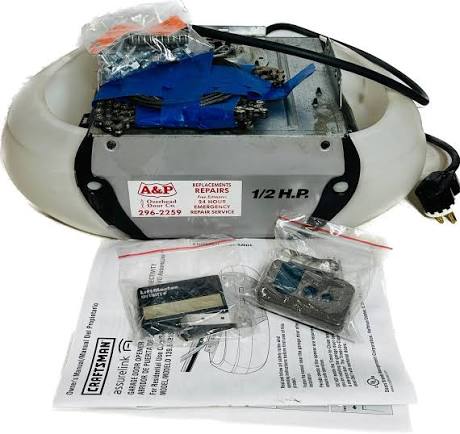
Is your garage door making strange noises or refusing to open smoothly? You are not alone. Many homeowners struggle with maintaining their Craftsman Garage Door Opener 1 2 Hp Belt Drive Manual systems, especially when the original documentation gets lost or becomes difficult to understand. This guide will help you master your opener’s functionality, troubleshoot common issues, and extend its lifespan without calling a professional every time.
Why Choose a Craftsman 1/2 HP Belt Drive Opener?
Before diving into the manual specifics, it is essential to understand why this specific model remains a popular choice among US homeowners. The 1/2 horsepower motor provides sufficient power for most standard single and double-car garage doors, while the belt drive mechanism offers significantly quieter operation compared to chain-driven alternatives.
According to industry data, belt drive openers reduce noise levels by up to 75% compared to traditional chain drives. This makes them ideal for homes where the garage is attached to living spaces or bedrooms above the garage. The Craftsman brand, known for its durability and widespread availability of parts, ensures that you can maintain your system for years without major replacements.
Key Benefits at a Glance
- Quiet Operation: Perfect for attached garages and nighttime use.
- Reliable Power: 1/2 HP handles most residential doors weighing up to 350 lbs.
- Smooth Performance: Belt drives reduce vibration and wear on door components.
- Easy Maintenance: Fewer moving parts mean less frequent lubrication and adjustment.
Understanding Your Craftsman Belt Drive System
The Craftsman Garage Door Opener 1 2 Hp Belt Drive Manual typically covers models that use a rubber or polyurethane belt instead of a metal chain. This design choice is critical for understanding how your opener functions and how to maintain it properly.
Unlike chain drives that require regular tightening and heavy lubrication, belt drives rely on tension and minimal friction. Over-tightening the belt can cause premature wear on the motor and pulleys, while a loose belt may slip and fail to lift the door correctly. Finding the right balance is key to optimal performance.
For more detailed technical specifications about garage door opener mechanisms, you can refer to Wikipedia’s article on garage door openers, which provides historical context and engineering principles behind these systems.
Common Issues and Troubleshooting Steps
Even the most reliable openers encounter problems occasionally. Here are the most frequent issues users face with their Craftsman 1/2 HP belt drive models and how to resolve them.
1. Door Opens Partially Then Reverses
This is often caused by misaligned safety sensors or incorrect force settings. Check the following:
- Sensor Alignment: Ensure both sensors near the floor are facing each other directly. A blinking LED usually indicates misalignment.
- Obstructions: Remove any items blocking the door’s path.
- Force Adjustment: Locate the force adjustment screws on the motor unit. Turn them slightly clockwise to increase opening/closing force, but do not exceed the manufacturer’s recommended limits.
2. Excessive Noise During Operation
While belt drives are quiet, they are not silent. If you hear grinding or squeaking:
- Inspect the Belt: Look for cracks, fraying, or signs of wear. Replace if necessary.
- Check Rollers and Hinges: Lubricate moving parts with a silicone-based lubricant (avoid WD-40 as it attracts dust).
- Tighten Hardware: Loose bolts on the rail or motor mount can cause vibrations and noise.
3. Remote Control Not Working
Before replacing batteries, try these steps:
- Reprogram the Remote: Follow the instructions in your Craftsman Garage Door Opener 1 2 Hp Belt Drive Manual to sync the remote again.
- Check the Antenna: Ensure the hanging antenna on the motor unit is not damaged or obstructed.
- Test Wall Switch: If the wall switch works but the remote does not, the issue is likely with the remote itself.
Step-by-Step Belt Tension Adjustment
Proper belt tension is crucial for smooth operation. Follow these precise steps to adjust your Craftsman belt drive:
- Disconnect Power: Unplug the opener or turn off the circuit breaker for safety.
- Locate Adjustment Bolt: Find the tension adjustment bolt at the end of the rail opposite the motor.
- Measure Current Tension: The belt should have approximately 1/4 inch of play when pressed firmly in the middle of the span.
- Adjust Gradually: Turn the adjustment bolt clockwise to tighten or counterclockwise to loosen. Make small adjustments (1/4 turn at a time).
- Test Operation: Restore power and test the door. Listen for smooth movement without slipping or excessive strain.
- Final Check: Ensure the belt runs straight along the pulleys without rubbing against the rail.
Important: Never overtighten the belt. Excessive tension can damage the motor bearings and cause premature failure.
Maintenance Schedule for Longevity
Regular maintenance can extend the life of your Craftsman Garage Door Opener 1 2 Hp Belt Drive Manual system by several years. Follow this simple schedule:
| Task | Frequency | Details |
|---|---|---|
| Visual Inspection | Monthly | Check belt condition, sensor alignment, and hardware tightness |
| Lubrication | Every 6 Months | Apply silicone lubricant to rollers, hinges, and springs |
| Safety Test | Quarterly | Test auto-reverse feature by placing a 2×4 board in the door’s path |
| Battery Replacement | Annually | Replace backup battery if equipped |
| Professional Service | Every 2–3 Years | Have a certified technician inspect springs and cables |
When to Call a Professional
While many issues can be resolved DIY, some situations require professional assistance:
- Broken Springs: Garage door springs are under extreme tension and can cause serious injury if handled incorrectly.
- Motor Failure: If the motor hums but does not move, internal components may need replacement.
- Electrical Issues: Any signs of burning smells, sparks, or exposed wiring should be addressed by a licensed electrician.
- Persistent Problems: If troubleshooting steps do not resolve the issue, a professional diagnosis can save time and prevent further damage.
FAQ Section
Q1: How long does a Craftsman 1/2 HP belt drive opener last?
With proper maintenance, a Craftsman 1/2 HP belt drive opener can last 10–15 years. The belt itself may need replacement every 5–7 years depending on usage frequency and environmental conditions.
Q2: Can I replace the belt myself?
Yes, replacing the belt is a manageable DIY task if you follow the Craftsman Garage Door Opener 1 2 Hp Belt Drive Manual instructions carefully. Ensure you purchase the correct replacement belt model for your specific opener series.
Q3: Why is my garage door opener making a clicking sound?
A clicking sound often indicates worn gears in the motor unit or a loose sprocket. Inspect the gear assembly for plastic debris or wear. If the gears are stripped, they will need replacement.
Q4: How do I reset my Craftsman garage door opener?
To reset, locate the “Learn” button on the motor unit. Press and hold it until the indicator light turns off (usually 6–10 seconds). This clears all programmed remotes and keypads, allowing you to reprogram them from scratch.
Q5: Is a 1/2 HP opener powerful enough for a double-car garage?
Yes, a 1/2 HP opener is sufficient for most double-car garage doors weighing up to 350 lbs. However, if your door is made of heavy wood or has additional insulation, consider upgrading to a 3/4 HP model for smoother operation.
Q6: What type of lubricant should I use?
Use a silicone-based or lithium-based lubricant specifically designed for garage doors. Avoid oil-based products like WD-40, as they attract dust and dirt, which can accelerate wear on moving parts.
Conclusion
Mastering your Craftsman Garage Door Opener 1 2 Hp Belt Drive Manual empowers you to maintain a safe, quiet, and reliable garage door system. By understanding the unique advantages of belt drive technology, performing regular maintenance, and knowing when to seek professional help, you can avoid costly repairs and enjoy peace of mind.
Remember, a well-maintained garage door not only operates smoothly but also enhances your home’s security and curb appeal. Share this guide with friends and family who might benefit from these tips, and keep your garage running like new for years to come.
Leave a Reply