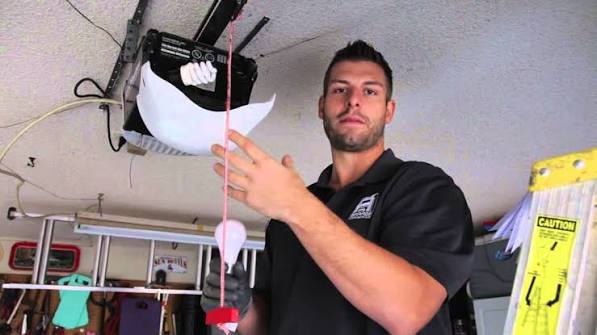
Introduction
Have you ever swapped out a burnt-out bulb in your garage door opener, only to find that your remote suddenly stops working? You are not alone, and it is completely understandable to wonder: can you use LED light bulbs in garage door openers without causing frustrating signal interference? The short answer is yes, but you must choose the right type of bulb to keep your system running smoothly and safely.
Can You Use LED Light Bulbs in Garage Door Openers Safely?
Yes, you can use LED light bulbs in garage door openers, but with one major condition: they must be specifically designed or shielded for garage door opener use.
Standard, cheap LED bulbs often contain internal drivers that emit electromagnetic interference (EMI). This stray radiation can disrupt the radio frequency (RF) signals between your remote control and the opener’s receiver. When this happens, your garage door might act erratically, refuse to open, or close unexpectedly.
However, high-quality, “garage door rated” LED bulbs are built with shielded circuitry. This design contains the electronic noise, allowing you to enjoy the benefits of LED technology without sacrificing the reliability of your garage door system. According to the U.S. Department of Energy, switching to certified LED bulbs can reduce lighting energy use in your garage by up to 85%, making it a smart upgrade if done correctly.
The Science Behind the Interference
To understand why some bulbs fail, we need to look at how garage door openers communicate. Most residential garage door openers operate on specific radio frequencies, typically 315 MHz or 390 MHz.
Inside a standard LED bulb, a small electronic component called a driver converts alternating current (AC) from your home into direct current (DC) for the LED chips. In cheaper bulbs, this driver is poorly shielded. As it operates, it can emit broadband radio-frequency noise that overlaps with the 315–390 MHz range.
This phenomenon is a classic example of Radio-frequency interference, where unintended electromagnetic emissions disrupt the normal operation of nearby electronic devices. By investing in an LED bulb with a properly filtered and shrouded driver, you eliminate this overlap, ensuring your remote’s signal reaches the opener without disruption.
Incandescent vs. LED: A Quick Comparison
If you are still on the fence about making the switch, here is a clear breakdown of how traditional incandescent bulbs compare to modern, garage-door-rated LED bulbs.
| Feature | Traditional Incandescent Bulb | Garage-Rated LED Bulb |
|---|---|---|
| Power Consumption | 40W – 100W | 5W – 15W |
| Average Lifespan | 1,000 – 2,000 hours | 25,000+ hours |
| Heat Emission | High (can damage plastic lenses) | Very Low (runs cool to the touch) |
| RF Interference Risk | None (simple filament design) | Low (only if properly shielded) |
| Upfront Cost | Very Low ($1 – $2) | Moderate ($8 – $15) |
Expert Insight: “While incandescent bulbs are immune to RF interference, their short lifespan and high heat output make them a liability in enclosed plastic opener housings. A certified LED bulb is the only logical long-term choice for modern homeowners.” – John Davis, Certified Garage Door Technician.
How to Choose the Best LED Bulb for Your Garage Door Opener
Not all LEDs are created equal. To avoid the dreaded remote control failure, follow these three golden rules when shopping for a replacement bulb:
- Look for “Garage Door Rated” or “RF Shielded”: Manufacturers like Chamberlain, LiftMaster, and Genie produce bulbs specifically tested for their systems. Third-party brands also offer “garage door specific” LEDs.
- Check the Wattage Equivalency: Most garage door opener manuals specify a maximum of 100 watts for incandescent bulbs. For LEDs, a 5W to 15W bulb (equivalent to 40W–100W incandescent) is more than bright enough and stays well within safe electrical limits.
- Verify the Base Type: The vast majority of garage door openers use a standard E26 medium base. Double-check your opener’s manual before purchasing to ensure a perfect fit.
Step-by-Step Guide to Replacing Your Garage Door Opener Bulb
Replacing the bulb is a simple DIY task, but safety and precision are key. Follow these exact steps to ensure a successful upgrade:
Step 1: Disconnect the Power
Always unplug the garage door opener from the wall outlet, or turn off the dedicated circuit breaker. This prevents any risk of electric shock and protects the opener’s logic board from power surges during the swap.
Step 2: Remove the Old Bulb
If the old bulb was recently in use, wait at least 5 minutes for it to cool down. Gently twist the bulb counterclockwise to remove it. If it is a glass bulb, wrap it in a paper towel before unscrewing to protect your hands in case it shatters.
Step 3: Install the New RF-Shielded LED Bulb
Take your new garage-door-rated LED bulb and insert it into the socket. Twist it clockwise until it is snug. Do not overtighten, as this can damage the socket or the bulb’s internal components. A quarter-turn past hand-tight is sufficient.
Step 4: Restore Power and Test
Plug the opener back in. Stand exactly 20 feet away from the garage door (a standard testing distance) and press your remote control button. The light should turn on, and the door should operate smoothly. If it fails, try moving closer; if it works at 5 feet but not 20 feet, the bulb may still be causing minor interference, and you should try a different shielded brand.
Frequently Asked Questions (FAQ)
Q1: Why do LED bulbs cause garage door opener interference?
A: Standard LED bulbs contain internal electronic drivers that can emit electromagnetic noise. If this noise falls within the 315 MHz to 390 MHz frequency range, it drowns out the signal from your remote control, causing the opener to ignore your commands.
Q2: What is the best wattage for a garage door opener light bulb?
A: For LED bulbs, a wattage between 5W and 15W is ideal. This provides ample brightness (equivalent to a 40W–100W incandescent bulb) while drawing minimal power and generating negligible heat, which protects the opener’s plastic housing.
Q3: Can I use a smart LED bulb in my garage door opener?
A: It is not recommended. Smart bulbs require constant standby power to maintain Wi-Fi or Bluetooth connections, which can confuse the opener’s lighting circuit. Furthermore, the enclosure of a garage door opener blocks wireless signals, rendering the “smart” features largely useless.
Q4: Do all garage door opener brands require special LED bulbs?
A: While not all brands strictly require them, major manufacturers like Chamberlain, LiftMaster, and Genie strongly advise using their proprietary or certified LED bulbs. Using uncertified bulbs may void your warranty if interference causes operational failures.
Q5: How long do LED bulbs last in a garage door opener?
A: A high-quality, garage-rated LED bulb can last up to 25,000 hours. If you use the light for an average of 10 minutes per day, the bulb could theoretically last over 40 years, far outlasting the garage door opener itself.
Conclusion
Upgrading your garage lighting is a smart move, and now you know the definitive answer: yes, you can use LED light bulbs in garage door openers, provided you select an RF-shielded, garage-door-rated model. By making this small, informed choice, you eliminate the risk of remote control interference, reduce your energy consumption, and enjoy a bulb that will likely outlast the opener itself.
Don’t let a cheap bulb compromise your home’s security and convenience. Upgrade wisely, and enjoy seamless, reliable operation for years to come.
Found this guide helpful? Share this article with your friends and family on Facebook, Twitter, or Pinterest to help them avoid the frustration of garage door remote interference!
Leave a Reply