Introduction
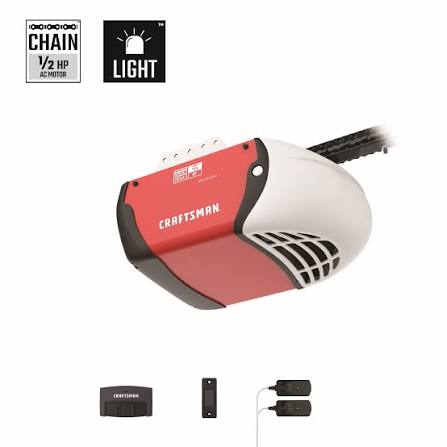
Is your old garage door opener making grinding noises or failing to lift your heavy double-door? You are not alone; millions of homeowners struggle with outdated mechanics that compromise security and convenience. Upgrading to a robust system like the Craftsman 1/2 HP AC Series 100 Garage Door Opener can solve these issues instantly, offering you peace of mind and smooth, reliable operation every time you hit the remote.
In this guide, we will break down everything you need to know about this specific model. From its technical specifications to step-by-step installation tips, we ensure you get the most out of your investment. Whether you are a seasoned DIYer or a first-time homeowner, this article is designed to help you understand why this opener is a top contender in the mid-range market.
Why Choose the Craftsman 1/2 HP AC Series 100?
When selecting a garage door opener, horsepower (HP) is the primary indicator of lifting capability. The “1/2 HP” rating indicates that this motor is designed for standard residential doors, particularly those made of wood or insulated steel that may weigh between 350 to 600 pounds.
The AC Series 100 distinguishes itself through its Alternating Current (AC) motor technology. Unlike newer DC (Direct Current) models that use battery backups and variable speeds, AC motors are known for their durability, simplicity, and consistent power output. This model is engineered to handle the daily wear and tear of frequent use without overheating, making it a workhorse for busy households.
Key Features at a Glance
- Motor Type: 1/2 Horsepower AC Motor
- Drive System: Typically Chain Drive (known for durability)
- Security: Rolling Code Technology to prevent hacking
- Compatibility: Works with standard sectional garage doors
- Lighting: Integrated LED or incandescent lighting (model dependent)
Understanding the Mechanics: AC vs. DC Motors
One of the most common questions users have is whether they should choose an AC or DC motor. To make an informed decision, it helps to understand the fundamental differences.
| Feature | AC Motor (Series 100) | DC Motor (Newer Models) |
|---|---|---|
| Power Source | Standard household outlet | Standard outlet + Battery Backup |
| Noise Level | Moderate (Chain drive vibration) | Quiet (Belt drive often paired) |
| Maintenance | Low (Fewer electronic parts) | Medium (Battery replacement needed) |
| Cost | More Affordable | Generally Higher Price Point |
| Lifting Power | Consistent, high torque | Variable speed, soft start/stop |
The Craftsman 1/2 HP AC Series 100 Garage Door Opener leverages the proven reliability of AC technology. While it may not offer the whisper-quiet operation of a premium belt-drive DC unit, it provides unmatched reliability for the price point. According to industry standards, AC motors have a longer lifespan because they do not rely on complex circuit boards for basic operation, reducing the risk of electronic failure during power surges.
For more detailed information on how electric motors function in residential applications, you can refer to the general principles outlined on Wikipedia’s Electric Motor page.
Step-by-Step Installation Guide
Installing a garage door opener can seem daunting, but with the right tools and preparation, it is a manageable weekend project. Always prioritize safety by disconnecting power before beginning any electrical work.
Tools You Will Need
- Stepladder
- Power drill with assorted bits
- Wrench set (usually 9/16″ and 1/2″)
- Pliers
- Measuring tape
- Helper (highly recommended for holding the rail)
Installation Steps
- Prepare the Garage Door: Ensure your garage door is balanced. Disconnect the existing opener if present. Manually lift the door halfway; it should stay in place. If it falls, you need to adjust the springs first—consult a professional for spring adjustments as they are under high tension.
- Assemble the Rail: Lay out the rail sections on the floor. Connect them securely using the provided bolts. Attach the trolley and the chain/belt according to the manual’s diagram. Ensure the chain has proper slack (about 1 inch of deflection in the middle).
- Mount the Header Bracket: Locate the center of the garage door opening. Install the header bracket above the door, ensuring it is anchored into solid wood or structural support, not just drywall.
- Install the Motor Unit: With the help of a partner, lift the motor unit and attach it to the ceiling joists using the provided hanging brackets. Use lag screws to ensure a secure fit into the wooden beams.
- Connect the Rail: Attach the assembled rail to the motor unit and the header bracket. Ensure the rail is level and straight. A misaligned rail will cause premature wear on the trolley.
- Electrical Wiring: Plug the unit into a grounded outlet. If hardwiring, follow local electrical codes. Connect the wall control panel and safety sensors. The sensors must be aligned perfectly; the LED lights on both sensors should be solid, not blinking.
- Program the Limits: This is crucial. Set the “Up” limit so the door opens fully without straining the motor. Set the “Down” limit so the door seals tightly against the ground without reversing. Test the auto-reverse feature by placing a 2×4 block of wood on the ground where the door closes. The door must reverse immediately upon contact.
Troubleshooting Common Issues
Even the best machines encounter issues. Here are some common problems with the Craftsman 1/2 HP AC Series 100 Garage Door Opener and how to fix them.
The Door Won’t Close
If the door starts to close but immediately reverses, check the safety sensors. Dirt, spiderwebs, or misalignment can block the infrared beam. Clean the lenses with a soft cloth and ensure they are facing each other directly.
The Motor Humms But Doesn’t Move
This often indicates a broken gear or sprocket inside the motor head. In AC models, the plastic drive gear can wear out over time. If you hear a humming sound but the chain doesn’t move, you may need to replace the internal gear kit.
Remote Control Not Working
First, replace the batteries in the remote. If that fails, reprogram the remote to the opener. Press the “Learn” button on the motor unit (usually a colored button on the back) and then press the button on your remote within 30 seconds.
Maintenance Tips for Longevity
To ensure your Craftsman 1/2 HP AC Series 100 Garage Door Opener lasts for years, regular maintenance is key.
- Lubricate the Chain: Every six months, apply a silicone-based lubricant or white lithium grease to the chain. Avoid WD-40 as it attracts dust and dries out quickly.
- Tighten Hardware: Vibration from the AC motor can loosen bolts over time. Check the mounting brackets and rail connections annually.
- Test Safety Features: Monthly, test the auto-reverse mechanism. Safety is paramount, and these features protect children and pets.
- Inspect Cables and Springs: Look for fraying cables or rusted springs. If you see damage, call a professional technician immediately.
FAQ Section
Q1: Is the Craftsman 1/2 HP AC Series 100 suitable for heavy wooden doors?
A: Yes, a 1/2 HP motor is generally sufficient for standard single-car and double-car wooden doors, provided they are properly balanced. However, if your door is exceptionally heavy or oversized, consider upgrading to a 3/4 HP model for added longevity.
Q2: Does this model come with a battery backup?
A: No, the AC Series 100 typically does not include a battery backup. It relies on household electricity. If you live in an area with frequent power outages, you might want to consider a DC model with battery integration or install a separate UPS for your garage.
Q3: How loud is the Craftsman 1/2 HP AC Series 100?
A: As a chain-drive AC model, it produces a moderate amount of noise during operation. It is louder than belt-drive systems but comparable to other standard chain-drive openers. It is suitable for detached garages or homes where the garage is not directly adjacent to living spaces.
Q4: Can I connect this opener to my smartphone?
A: The base model does not have built-in Wi-Fi. However, you can add smart functionality by purchasing a separate universal garage door controller (like MyQ or similar third-party devices) that connects to the wall button terminals.
Q5: What is the warranty period for this opener?
A: Warranty terms vary by retailer and specific sub-model year. Typically, Craftsman offers a limited lifetime warranty on the motor and a 1-year warranty on parts. Always keep your receipt and register your product online for warranty validation.
Q6: Why does my door reverse before hitting the floor?
A: This is usually due to the “down limit” setting being incorrect or the force adjustment being too low. Adjust the down limit screw slightly to allow the door to travel further. Also, ensure the tracks are clean and lubricated, as friction can cause the motor to sense an obstacle.
Conclusion
Upgrading your home’s accessibility and security is a smart move, and the Craftsman 1/2 HP AC Series 100 Garage Door Opener stands out as a reliable, cost-effective choice. Its robust AC motor ensures consistent performance, while its straightforward design makes it easier to maintain and repair compared to more complex electronic systems.
By following the installation and maintenance tips outlined above, you can enjoy smooth, hassle-free operation for years to come. Remember, a well-maintained garage door not only protects your vehicle but also enhances your home’s curb appeal and safety.
Did you find this guide helpful? Share it with your friends on social media who might be struggling with their noisy or broken garage door openers! Let’s help everyone achieve a smoother ride home.
Leave a Reply