Introduction
We have all been there: rushing to leave for work on a cold morning, you hop into your vehicle and wonder, can you start your car with the garage door closed just to save a few minutes? While it might seem like a harmless, everyday time-saver, doing so carries severe and potentially life-threatening risks. Let us explore the science behind garage safety, the hidden dangers of exhaust fumes, and the best practices to keep you and your loved ones protected.
The Short Answer: Is It Safe to Start a Car in a Closed Garage?
The short and definitive answer is no, it is absolutely not safe. Starting a combustion engine vehicle in an enclosed space traps toxic exhaust fumes, primarily carbon monoxide (CO).
Carbon monoxide is known as the “silent killer” because it is completely odorless, colorless, and tasteless. According to the Centers for Disease Control and Prevention (CDC), over 400 people die annually in the United States from unintentional CO poisoning not related to fires, with thousands more requiring emergency medical treatment. A running car in a closed garage is one of the most common causes of these tragic incidents.
How Quickly Does Carbon Monoxide Build Up in a Closed Garage?
Many people mistakenly believe that a quick start will not cause harm. However, the mathematics of garage ventilation tell a different story.
A typical internal combustion engine produces a significant volume of carbon monoxide per minute. In a standard two-car garage (approximately 20×20 feet with an 8-foot ceiling), a running vehicle can reach lethal CO concentrations (above 1,200 parts per million) in as little as 2 to 3 minutes.
Early symptoms of CO exposure include:
- A dull, persistent headache
- Dizziness or lightheadedness
- Weakness and fatigue
- Upset stomach or vomiting
- Confusion or disorientation
Because these symptoms mimic the flu or general fatigue, victims often do not realize they are being poisoned until it is too late to escape.
Remote Start Systems: Are They Safe in a Closed Garage?
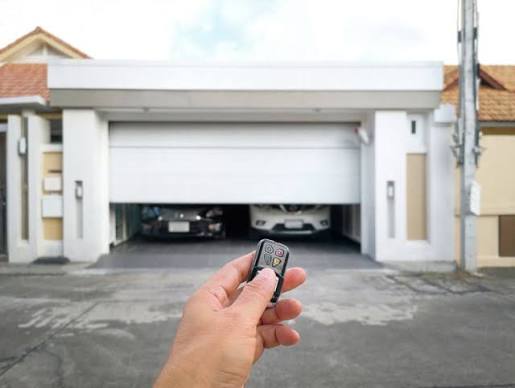
Modern vehicles frequently feature remote start systems, allowing you to warm up or cool down your car from the comfort of your home. But does this technology make it safe to use in a closed garage? No.
Even if you are not physically inside the vehicle, the carbon monoxide continues to accumulate rapidly. If you walk into the garage to retrieve something, you are immediately exposed to dangerous fumes. Furthermore, if your garage is attached to your home, the toxic gas can easily seep into your living spaces.
“Carbon monoxide is a silent killer. It is odorless, colorless, and tasteless. Never rely on remote start features without ensuring the garage door is fully open and ventilation is adequate.”
— National Safety Council (NSC)
Step-by-Step Guide: Safely Starting Your Car in the Garage
To eliminate the risk of carbon monoxide exposure, follow this concrete, step-by-step safety protocol every time you use your vehicle:
- Open the Garage Door Completely: Before inserting your key or pressing the ignition button, ensure the garage door is fully raised to allow maximum cross-ventilation.
- Start and Exit Promptly: Start the vehicle and drive it outside immediately. Do not let the car idle in the garage for more than 30 to 60 seconds, even with the door open.
- Warm Up Outside: If you must warm up your car during winter, do it outside in a well-ventilated area. Always check that your tailpipe is clear of snow, ice, or debris to prevent exhaust backflow into the cabin.
- Install a CO Detector: Place a battery-operated or plug-in carbon monoxide detector with a digital display in your garage. Mount it at least 5 feet above the floor (since CO is slightly lighter than air) and test it monthly.
Carbon Monoxide Risks vs. Common Misconceptions
To help you better understand the dangers, here is a quick comparison of common myths versus the harsh reality of garage safety.
| Misconception | The Reality | Risk Level |
|---|---|---|
| “It is only running for a minute.” | Lethal CO levels can build up in a closed garage in just 2 to 3 minutes. | High |
| “Cracking a window is enough.” | A cracked window does not provide adequate air exchange to dissipate heavy engine exhaust. | High |
| “Electric cars have the same risk.” | EVs do not produce tailpipe CO, making them safe to run in a closed garage (though basic ventilation is still recommended for battery heat). | Low |
| “My garage is detached, so I am safe.” | While safer than an attached garage, a detached closed garage can still trap lethal fumes if you are inside working or retrieving items. | Moderate |
The Science of Exhaust Fumes and Home Safety
Understanding why carbon monoxide is so dangerous can reinforce the importance of proper garage ventilation. According to the comprehensive medical overview on Carbon monoxide poisoning, this toxic gas binds to the hemoglobin in your red blood cells approximately 200 times more effectively than oxygen.
When CO occupies these receptors, it prevents oxygen from reaching your vital organs and tissues, leading to cellular hypoxia (oxygen starvation). This process can cause irreversible brain damage or death within minutes at high concentrations.
Additionally, attached garages are not perfectly sealed from the rest of the house. Due to the “stack effect” in home architecture, negative pressure can pull garage air—including invisible exhaust fumes—into your living spaces through gaps under doors, shared wall cracks, or even the central HVAC system.
Frequently Asked Questions (FAQ)
Q1: Can you start your car with the garage door closed if it is an electric vehicle (EV)?
A1: Yes, electric vehicles do not have internal combustion engines and therefore produce zero tailpipe carbon monoxide. It is safe to start an EV in a closed garage. However, maintaining basic ventilation is still a good practice to prevent excessive heat buildup from the battery system.
Q2: What should I do if I accidentally started my car in a closed garage?
A2: Turn off the engine immediately, open the garage door, and exit the area. Step outside to get fresh air right away. If you or anyone else experiences symptoms like dizziness, nausea, or a headache, seek emergency medical attention immediately and inform the doctors about potential CO exposure.
Q3: Does leaving the garage door slightly open provide enough ventilation?
A3: No. A partially open door (e.g., a few inches) does not create sufficient cross-ventilation to dissipate the high volume of exhaust gases produced by an idling engine. The door must be fully open.
Q4: How can I prevent carbon monoxide buildup in my garage long-term?
A4: Always make it a habit to open the garage door before starting the car. Install a UL-listed CO detector in the garage, and have your vehicle’s exhaust system inspected annually by a mechanic to check for leaks or blockages.
Q5: Can carbon monoxide from a garage enter my house?
A5: Yes, absolutely. Attached garages share air pressure dynamics with the home. Fumes can easily seep indoors through door gaps, shared walls, or the HVAC system, posing a severe risk to everyone inside the house, even if they never enter the garage.
Conclusion
Starting your car in a closed garage is a dangerous gamble with invisible, lethal consequences. The convenience of a quick start is never worth the risk of carbon monoxide poisoning, which can escalate to life-threatening levels in a matter of minutes. By making it a strict habit to always open the garage door first, installing reliable CO detectors, and educating your family, you can ensure a safe environment for everyone.
Do you know someone who frequently rushes out the door in the morning? Protect your loved ones by sharing this crucial safety guide on Facebook, X (Twitter), or via text with your neighbors today. Stay safe, ventilate properly, and breathe easy!
Leave a Reply