Introduction
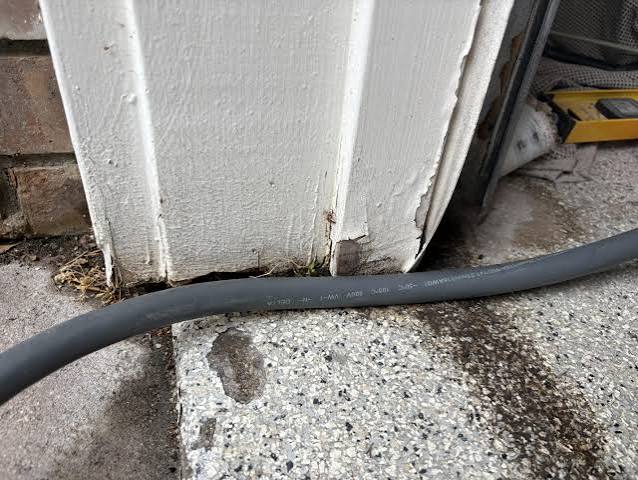
Have you ever needed temporary power in your garage and wondered, can you run an extension cord under a garage door? It is a very common dilemma for homeowners trying to power tools, holiday lights, or battery chargers without drilling permanent holes. However, before you take that quick shortcut, it is crucial to understand the serious safety risks and learn the right way to handle temporary garage power.
Is It Safe to Run an Extension Cord Under a Garage Door?
The short answer is no, it is not safe to run a standard extension cord under a closing garage door. While it might seem like a harmless, temporary fix, the mechanics of a garage door make this a significant hazard.
A standard single-car garage door weighs between 130 to 150 pounds, while double-car doors can easily exceed 350 pounds. When a door of this weight closes on an extension cord, it does not just “squeeze” it. The immense pressure can instantly strip the protective rubber insulation, exposing the live copper wires inside.
According to general electrical safety standards for extension cords, compromised insulation dramatically increases the risk of short circuits, electrical arcs, and potentially devastating house fires. Furthermore, moisture from rain or snow can easily seep under the door, turning a pinched cord into a severe electrocution hazard.
The Hidden Dangers of Pinching an Extension Cord
If you are still considering this method, please review the specific risks involved:
- Fire Hazard: Exposed wires can spark when they touch each other or the metal track of the garage door, igniting nearby dust, oil, or cardboard.
- Electrical Shock: If the floor is wet (from rain, melting snow, or washing a car), the exposed electricity can travel through the water, posing a lethal shock risk to anyone nearby.
- Damage to the Garage Door Seal: The bottom rubber weather seal is designed to keep water and pests out. Pinching a cord degrades this seal, leading to long-term water damage in your garage.
- Tool and Appliance Damage: A pinched cord causes voltage drops and power surges, which can permanently damage sensitive electronics or burn out the motors of your power tools.
Pros and Cons of Temporary Garage Power Solutions
To help you make an informed decision, here is a quick comparison of common methods for getting power into a garage.
| Method | Pros | Cons | Safety Rating |
|---|---|---|---|
| Running cord under door | Quick, no tools required. | High fire/shock risk, damages door seal. | ⚠️ Very Low |
| Flat extension cord | Lower profile, less likely to trigger door sensors. | Still risks pinching and insulation damage over time. | ⚠️ Low |
| Drilling a pass-through hole | Permanent, safe, weatherproof if sealed properly. | Requires basic DIY skills and tools. | ✅ High |
| Battery-powered tools | Zero cords, maximum mobility, no electrical risk. | Higher upfront cost, requires battery management. | ✅ Very High |
How to Safely Route Temporary Power to Your Garage (Step-by-Step)
If you absolutely must get power into your garage temporarily, do not simply lay a cord on the ground and close the door. Instead, follow this safe, step-by-step alternative that protects both your home and your family.
Step 1: Assess Your Power Needs
Calculate the wattage of your device. For example, a standard circular saw draws about 1,400 watts (roughly 12 amps at 120V). Ensure your setup can handle this load without overheating.
Step 2: Choose the Right Extension Cord
Never use an indoor cord outdoors. Select a cord rated SJTW (Junior Hard Service, Thermoplastic, Water-resistant).
- Use 12-gauge (AWG) wire for heavy-duty tools (up to 50 feet).
- Use 14-gauge (AWG) wire only for light-duty tasks like charging a battery or powering LED lights.
Step 3: Create a Safe Pass-Through
Instead of using the door gap, drill a small, 1-inch hole through the exterior wall of your garage, positioned about 12 inches above the ground.
Step 4: Install a Weatherproof Grommet
Insert a rubber weatherproof grommet into the hole. This prevents the wall from chafing the cord and keeps rain, insects, and drafts out. Feed the extension cord through this protected hole.
Step 5: Secure the Interior Cord
Use adhesive cord clips to secure the cord along the baseboard inside the garage. This prevents tripping hazards and keeps the cord away from moving vehicles or lawnmowers.
What Type of Extension Cord is Best for Garage Use?
Not all extension cords are created equal. When shopping for a garage-ready cord, look for these specific features on the packaging:
- Outdoor Rating (The “W”): The jacket must be marked with a “W” (e.g., SJTW), indicating it is designed to withstand water, sunlight, and temperature fluctuations.
- Lighted Plug End: A plug with a small LED indicator lets you know the cord is receiving power, which is incredibly useful in dimly lit garages.
- Cold-Weather Flexibility: If you live in a northern US state, ensure the cord is rated for sub-zero temperatures so the jacket does not crack when coiled.
Frequently Asked Questions (FAQ)
Q1: What happens if a garage door closes on an extension cord?
A: The heavy weight of the door will crush the cord, stripping the protective insulation. This exposes live wires, which can cause immediate short circuits, spark fires, or create a severe electrocution hazard, especially if the garage floor is damp.
Q2: Can I use a flat extension cord under a garage door?
A: While flat extension cords are designed to sit flush against the floor and are less likely to interfere with the door’s safety sensors, they are still not recommended for use under a closing garage door. The repeated pressure will eventually degrade the flat insulation, leading to the same safety risks as a round cord.
Q3: How long can an extension cord be for a garage?
A: For optimal safety and performance, keep your extension cord under 50 feet. If you must use a longer cord, you must step up to a thicker 10-gauge or 12-gauge wire to prevent voltage drop, which can overheat the cord and damage your tools.
Q4: Is it against the electrical code to run an extension cord under a door?
A: The National Electrical Code (NEC) does not explicitly mention “garage doors,” but it strictly prohibits using extension cords as a substitute for permanent wiring and mandates that cords must not be subjected to physical damage. Running a cord under a closing door violates the “physical damage” rule, making it a code violation and a potential insurance liability.
Q5: What is the safest alternative to running a cord under the door?
A: The safest alternative is to hire a licensed electrician to install a dedicated, GFCI-protected outdoor outlet on the exterior wall of your garage, or to drill a small, grommet-lined pass-through hole in the wall for temporary cord use.
Conclusion
While it might be tempting to take the easy route, you now know the definitive answer: you should never run a standard extension cord under a closing garage door. The risks of fire, electrical shock, and equipment damage far outweigh the few minutes saved. By investing in a proper outdoor-rated cord and using a safe wall pass-through method, you protect your home, your tools, and your family.
Found this guide helpful? Don’t keep this safety knowledge to yourself! Share this article on Facebook, X (Twitter), or Pinterest to help your friends and neighbors avoid dangerous garage power mistakes.
Leave a Reply