Have you ever backed out of your garage only to hear that sickening crunch? Or perhaps a stray baseball from the neighborhood kids left a dent that ruins your home’s curb appeal? It is a frustrating situation, but here is the good news: you do not always need to replace the entire door. Many homeowners ask, “Can you replace a panel on a garage door?” The answer is a resounding yes, and it can save you thousands of dollars compared to a full installation.
In this guide, we will walk you through everything you need to know about single-panel replacement. We will cover the costs, the difficulty level, and whether you should tackle this project yourself or call in the professionals. Let’s get your garage looking pristine again.
Is It Possible to Replace Just One Section?
The short answer is yes. Most modern sectional garage doors are designed with modularity in mind. This means they are constructed from individual horizontal sections, or “panels,” that hinge together. If one section gets damaged due to impact, weather, or wear and tear, it can often be swapped out without disturbing the rest of the structure.
However, there is a catch. Compatibility is key. You cannot simply buy a generic panel from a hardware store and expect it to fit. The new panel must match the:
- Brand and model of your existing door.
- Thickness and insulation type (R-value).
- Color and finish (even if you plan to repaint, the texture must match).
- Age of the door (manufacturers change designs frequently).
If your door is older than 10–15 years, finding an exact match might be challenging. In such cases, manufacturers may have discontinued the specific style, forcing you to consider a full door replacement. For more details on how sectional doors are engineered, you can refer to the general structural overview on Wikipedia.
Cost Comparison: Single Panel vs. Full Door Replacement
One of the primary reasons homeowners opt for panel replacement is cost savings. Let’s break down the financial differences so you can make an informed decision.
| Feature | Single Panel Replacement | Full Door Replacement |
|---|---|---|
| Average Cost | $250 – $800 | $1,200 – $4,500+ |
| Time Required | 2 – 4 hours | 1 – 2 days |
| Disruption Level | Low | High |
| Aesthetic Result | Matches existing door | Brand new look |
| Best For | Localized damage | Outdated or failing doors |
Note: Prices vary based on location, material (steel, wood, aluminum), and labor rates.
As you can see, replacing a single panel can cost up to 70% less than installing a new door. However, if your door has multiple dents, rust issues, or broken springs, a full replacement might offer better long-term value.
Signs You Need a Panel Replacement
Not every scratch requires a panel swap. Sometimes, minor cosmetic issues can be fixed with body filler and paint. However, you should consider replacement if you notice:
- Deep Dents or Creases: If the metal is bent sharply, it compromises the structural integrity and may jam the rollers.
- Cracks in Wood Panels: Wood can rot or split, allowing moisture to enter and damage adjacent panels.
- Misalignment: If the damaged panel causes the door to track unevenly or make grinding noises.
- Insulation Breach: If the foam core inside a steel door is exposed, it loses its thermal efficiency and can attract pests.
Step-by-Step Guide: How to Replace a Garage Door Panel
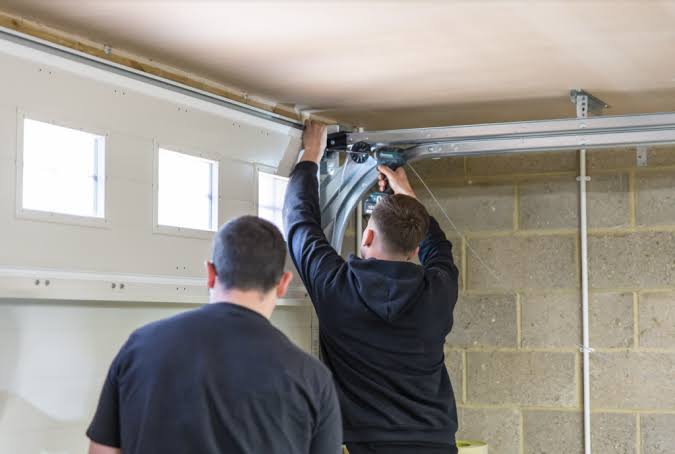
If you are handy with tools and understand basic mechanical safety, you might consider a DIY approach. Warning: Garage doors are under high tension. If you are unsure, always hire a professional.
Tools You Will Need:
- Socket wrench set
- Screwdrivers (flathead and Phillips)
- Pliers
- Ladder
- Assistant (highly recommended)
- New matching panel
The Process:
- Disconnect the Opener: Pull the emergency release cord to disconnect the door from the automatic opener. Manually close the door completely.
- Release Tension: If you have torsion springs, do not attempt to adjust them yourself. This step is dangerous. For extension springs, ensure they are secure.
- Remove Hardware: Unscrew the hinges and rollers attached to the damaged panel. Keep track of all bolts and screws.
- Extract the Damaged Panel: Carefully slide the damaged panel out. You may need to lift the panels above it slightly to free it.
- Insert the New Panel: Slide the new panel into place. Ensure it sits flush with the adjacent sections.
- Reattach Hardware: Secure the hinges and rollers back onto the new panel. Tighten all bolts firmly but do not overtighten, which can strip the threads.
- Test the Movement: Manually lift and lower the door several times. It should move smoothly without binding. Reconnect the opener and test the automatic function.
Pros and Cons of DIY vs. Professional Repair
Deciding between doing it yourself and hiring a pro depends on your skill level and budget.
DIY Replacement
- Pros: Saves on labor costs; satisfying personal achievement.
- Cons: High risk of injury; potential for improper alignment; voids warranty if done incorrectly.
Professional Installation
- Pros: Guaranteed fit and finish; includes safety inspection; often comes with a service warranty.
- Cons: Higher upfront cost; scheduling wait times.
Expert Tip: According to industry standards, if your door uses torsion springs (mounted above the door), professional help is strongly advised. These springs store immense energy and can cause severe injury if mishandled.
Frequently Asked Questions (FAQ)
1. Can I replace a garage door panel myself?
Yes, but it requires mechanical aptitude and caution. If your door has torsion springs, it is safer to hire a professional. For simple hinge and roller replacements on extension spring doors, a confident DIYer can manage it.
2. How much does it cost to replace one panel?
The cost typically ranges from $250 to $800, including parts and labor. The price depends on the material (steel is cheaper than wood), the brand, and your local labor rates.
3. Will a replaced panel match the rest of my door?
If you buy the exact model from the manufacturer, it should match perfectly. However, keep in mind that the sun may have faded your old door over time. You might need to paint the entire door to ensure a uniform color.
4. How long does it take to replace a single panel?
A professional technician can usually complete the job in 2 to 4 hours. A DIY project might take longer, especially if you encounter rusted bolts or alignment issues.
5. Is it worth repairing an old garage door?
If the door is less than 15 years old and the rest of the structure is sound, yes. If the door is old, noisy, and lacks insulation, investing in a new door might provide better energy efficiency and security.
6. What causes garage door panels to get damaged?
Common causes include accidental vehicle impacts, severe weather (hail or wind), sports balls, and general wear and tear. Rust can also weaken panels over time, making them susceptible to cracking.
Conclusion
So, can you replace a panel on a garage door? Absolutely. It is a cost-effective solution that restores both the functionality and aesthetics of your home without the expense of a full replacement. By ensuring you get the correct matching part and following safety protocols, you can extend the life of your garage door significantly.
Whether you choose to tackle this project yourself or hire a certified technician, addressing the damage promptly prevents further issues like misalignment or motor strain. Don’t let a dented panel ruin your home’s curb appeal!
Found this guide helpful? Share it with your neighbors on Facebook or Twitter to help them save money on their next garage repair!
Leave a Reply