Introduction
It is completely understandable to worry about your family’s safety and valuable belongings, especially since the garage is often the most vulnerable entry point to your home. If you have been wondering, “can you put an alarm on a garage door,” the short and reassuring answer is a resounding yes. Upgrading your garage security is easier and more affordable than ever, giving you immediate peace of mind.
Can You Put An Alarm On A Garage Door? Understanding the Basics
Yes, you can absolutely put an alarm on a garage door, and security experts highly recommend it. The garage is frequently targeted by intruders because it often houses expensive tools, vehicles, and provides direct, concealed access to the main house. By installing a dedicated alarm system, you transform a vulnerable weak point into a fortified barrier. Modern technology has made this process incredibly user-friendly, meaning you do not need to be a tech wizard to protect your home effectively.
Why Securing Your Garage Door Matters
According to data from the FBI’s Uniform Crime Reporting (UCR) program, property crimes remain a persistent issue across the United States. Security industry studies consistently show that nearly 9% of home burglaries begin with an intruder entering through an unsecured garage or garage door.
Furthermore, a loud, unexpected alarm is one of the most effective psychological deterrents. Most burglars are opportunistic; they seek the path of least resistance. The moment a siren blares, the risk-to-reward ratio shifts dramatically in your favor, prompting the intruder to flee immediately.
Types of Garage Door Alarms to Consider
When evaluating your options, you will find several types of systems tailored to different needs and budgets. Here is a breakdown of the most effective choices:
- Standalone Contact Sensors: These are simple, battery-operated devices consisting of two parts. When the magnetic connection is broken (i.e., the door opens), an 85+ decibel siren sounds. They are highly affordable and require no Wi-Fi.
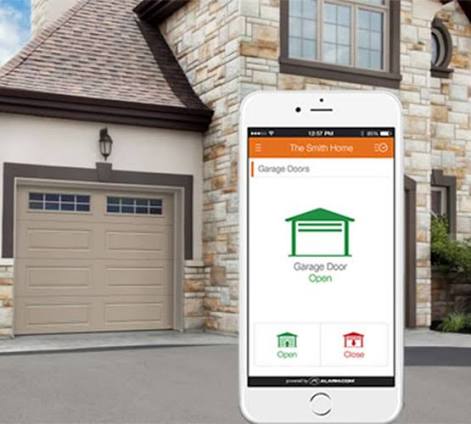
- Smart Garage Door Controllers: Devices like the myQ Smart Garage Control allow you to monitor and control your door via a smartphone app. They send instant push notifications if the door is left open or opened unexpectedly.
- Motion-Activated Alarms: These are placed inside the garage and trigger when they detect movement. They are excellent for catching intruders who might have already bypassed the door sensor.
- Integrated Home Security Systems: If you already have a system like Ring, SimpliSafe, or ADT, you can easily add garage door tilt or contact sensors to your existing ecosystem for centralized monitoring.
Pros and Cons of Garage Door Alarms
Before making a purchase, it is helpful to weigh the advantages and potential drawbacks.
| Feature | Pros (Advantages) | Cons (Considerations) |
|---|---|---|
| Deterrence | Loud sirens (85–100 dB) scare off opportunistic burglars instantly. | May cause temporary noise disturbances if triggered accidentally. |
| Peace of Mind | Real-time smartphone alerts let you know exactly when the door moves. | Requires a stable Wi-Fi connection for smart features to function. |
| Installation | Most DIY systems take under 15 minutes and require no drilling. | Battery-powered units need periodic battery replacements (every 1–2 years). |
| Cost | Standalone alarms are highly budget-friendly (often under $30). | Professional monitoring services add a recurring monthly fee. |
Step-by-Step Guide: How to Install a DIY Garage Door Alarm
Installing a basic magnetic contact alarm is a straightforward process. Follow these concrete steps to ensure optimal performance:
- Choose the Right Sensor: Select a wireless magnetic contact sensor with a minimum range of 300 feet and an alarm volume of at least 85 decibels.
- Gather Your Tools: You will need a Phillips-head screwdriver, 70% isopropyl alcohol, a clean microfiber cloth, and the mounting hardware (screws or heavy-duty double-sided adhesive) included in your kit.
- Clean the Surface: Wipe the intended mounting area on the garage door and the frame with 70% isopropyl alcohol. Wait exactly 2 minutes for the surface to dry completely to ensure maximum adhesive bond.
- Mount the Sensor: Attach the larger sensor body to the stationary door frame and the smaller magnet to the moving garage door panel. Ensure the gap between the two pieces is no more than 0.5 inches when the door is closed.
- Test the System: Arm the alarm and open/close the garage door 3 consecutive times. Verify that the siren triggers immediately upon separation and that the reset function works smoothly.
Enhancing Your Setup: Pro Tips for Maximum Security
To truly maximize your garage security, consider layering your defenses. An alarm is excellent, but combining it with other measures creates a robust security net. For instance, installing motion-sensor floodlights outside the garage eliminates dark hiding spots. Additionally, always remember to lock the interior door leading from the garage into your main house.
To understand how these devices protect your property, it helps to know the basic mechanics of a modern burglar alarm and how sensors communicate with control panels to detect unauthorized entry instantly.
Frequently Asked Questions (FAQ)
Q1: Do garage door alarms really deter burglars?
A: Yes, absolutely. Studies in criminology consistently show that audible alarms are a primary deterrent. Most intruders are looking for easy, quiet targets. A sudden, loud siren draws immediate attention and significantly increases the burglar’s perceived risk of getting caught, causing them to abandon the attempt.
Q2: Can I connect a garage door alarm to my existing smart home system?
A: In most cases, yes. Many modern garage door sensors are compatible with popular smart home ecosystems like Amazon Alexa, Google Home, Apple HomeKit, or dedicated security hubs like Samsung SmartThings. Always check the product specifications for “Z-Wave” or “Zigbee” compatibility before purchasing.
Q3: How much does it cost to put an alarm on a garage door?
A: The cost varies based on the technology. A basic, standalone battery-operated contact alarm typically costs between $15 and $40. Smart garage door controllers range from $30 to $100. If you opt for professional monitoring through a major security company, expect to pay an additional $10 to $30 per month.
Q4: Will a garage door alarm work during a power outage?
A: Yes, if you choose the right system. Most standalone magnetic sensors and smart sensors are battery-powered (usually utilizing AA or AAA batteries or built-in lithium cells). Therefore, they remain fully operational even if your home loses electrical power.
Q5: Can a burglar open my garage door if it has an alarm?
A: An alarm does not physically prevent the door from opening, but it makes the act of opening it highly consequential. If a burglar forces the door open, the alarm will sound immediately, alerting you and your neighbors. For physical prevention, consider adding a garage door defender bar or a smart lock that disables the automatic opener.
Conclusion
Securing your garage is no longer a complicated or expensive endeavor. By answering the question, “can you put an alarm on a garage door,” we have explored how simple, affordable, and highly effective these devices can be. Whether you choose a basic standalone siren or a fully integrated smart home sensor, you are taking a vital step toward protecting your family, your vehicle, and your valuables.
Don’t wait for a security scare to take action. Share this guide on Facebook, Twitter, or WhatsApp to help your friends, family, and neighbors learn how to easily fortify their own homes today!
Leave a Reply